
Last updated September 25, 2026
Free written scope consultation - allowances, timeline, and change-order rules on paper before a single trade is scheduled

 Before
 After
After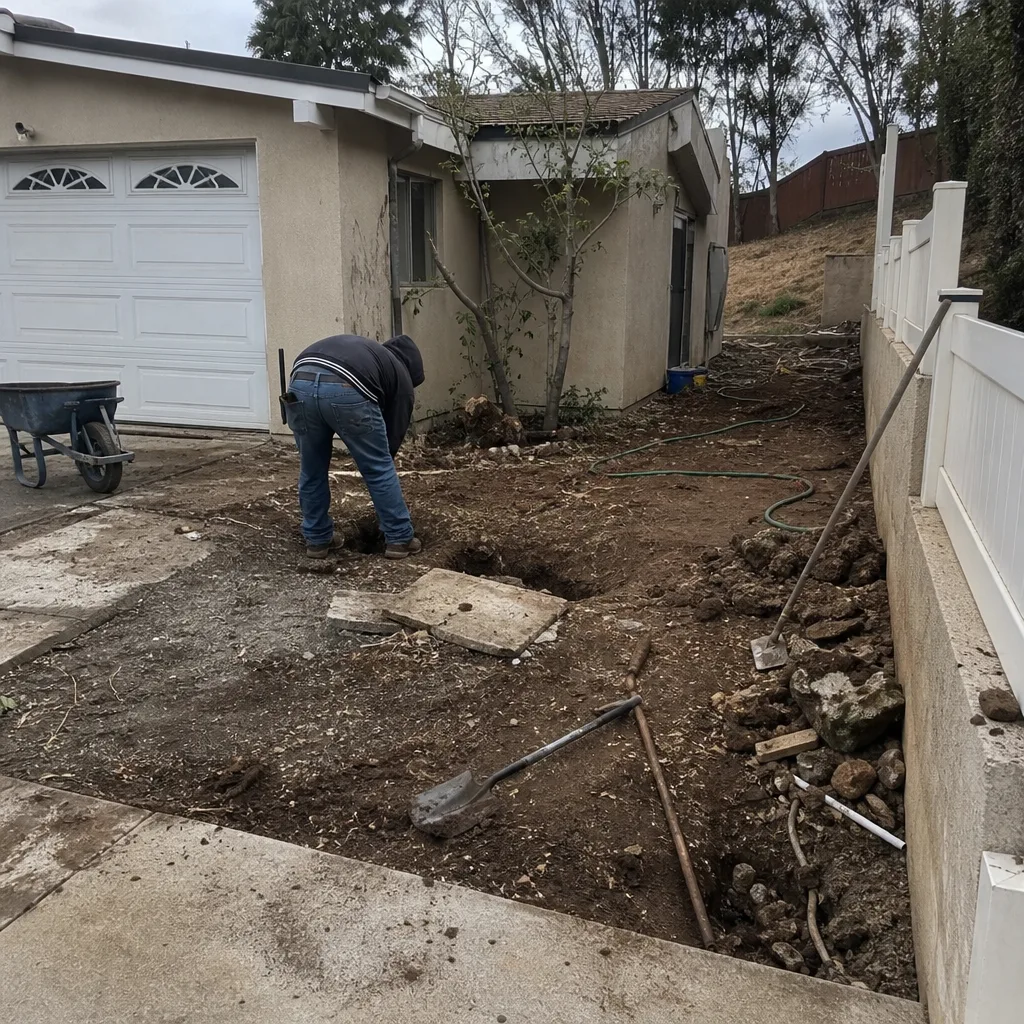 Before
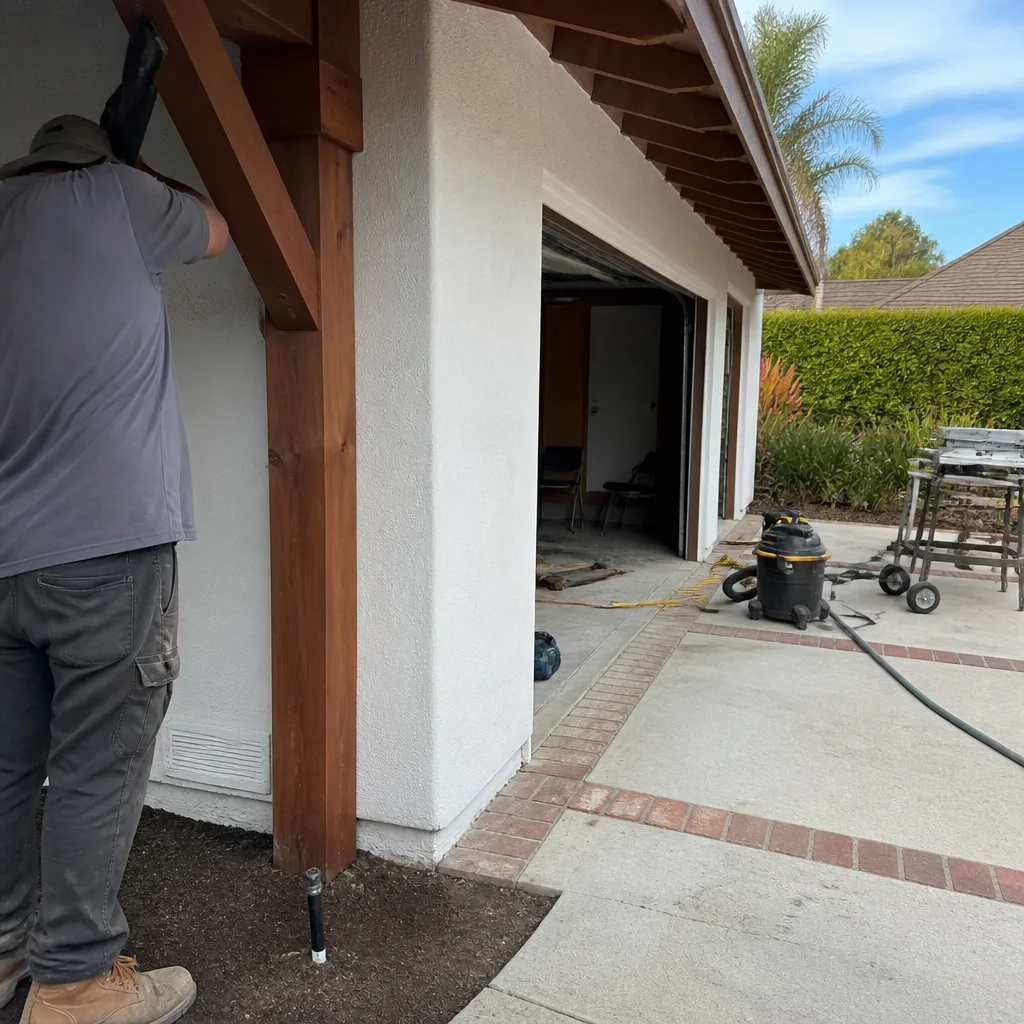 After
After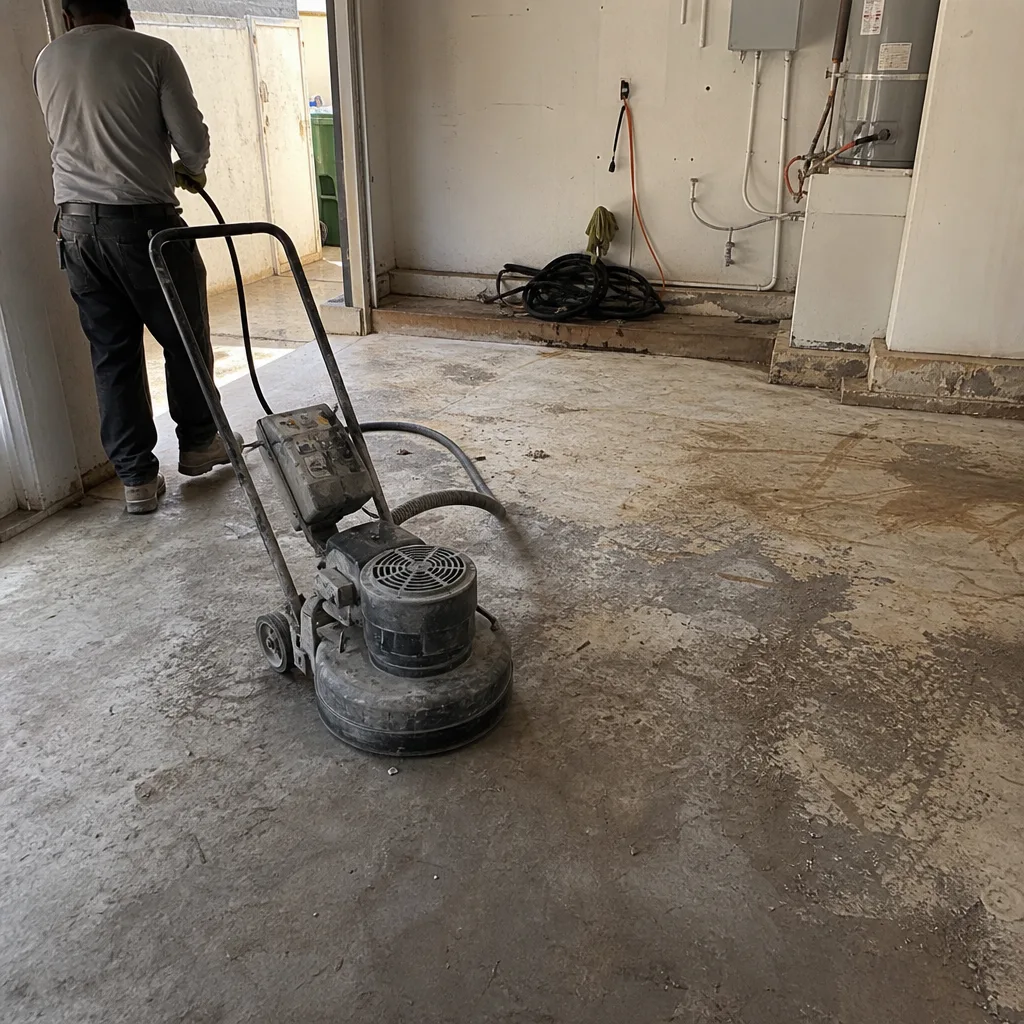 Before
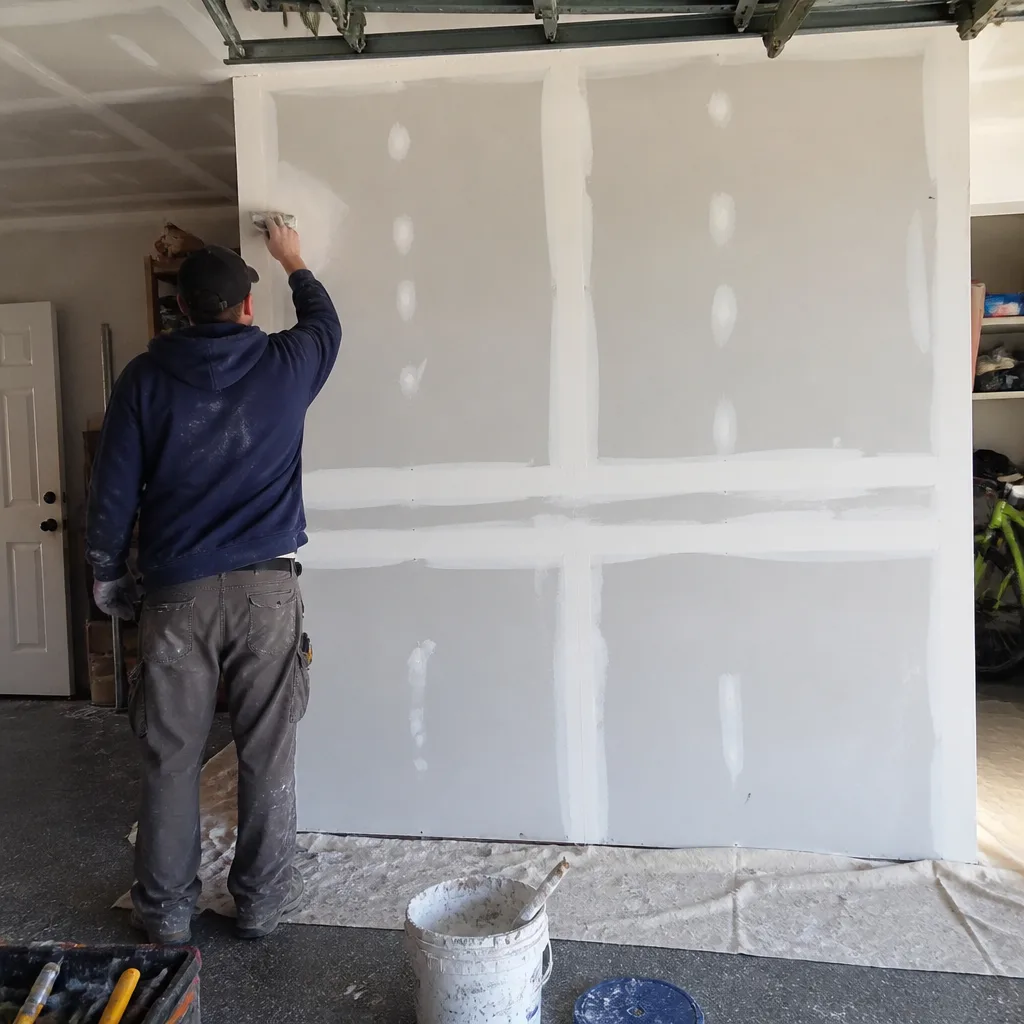 After
AfterConstruction Permits, Codes & Inspections in CA: What You Need to Know
An unpermitted addition in California reduces a home’s insurable value, complicates its sale disclosure, and - in Escondido specifically - can trigger a retroactive permit requirement that costs more to resolve than the original permit would have. We’ve reviewed competitor estimates where the “savings” of skipping permits evaporated when the homeowner had to open finished walls for inspection, replace non-compliant electrical, and pay double permit fees. This guide and our more guides & resources explain how California’s permit system actually works, which codes apply to your project, and how to use the inspection sequence as a quality-control tool rather than treating it as your contractor’s problem to manage.
Quick Answer
California requires permits for structural changes, electrical, plumbing, and mechanical work on residential properties. The 2022 California Building Code governs all residential construction, with local amendments in Escondido and San Diego County adding specific requirements for fire safety, energy efficiency, and seismic bracing. A typical kitchen or bathroom remodel requires 5-7 inspections, costs $800-$2,400 in permit fees depending on project value, and cannot legally proceed between inspection stages without inspector sign-off.
Table of Contents
- California’s 2022 Building Code: What Changed and What It Means for Your Project
- The Inspection Sequence for a Typical Escondido Remodel
- Title 24 Energy Compliance: HERS Ratings and What They Cost
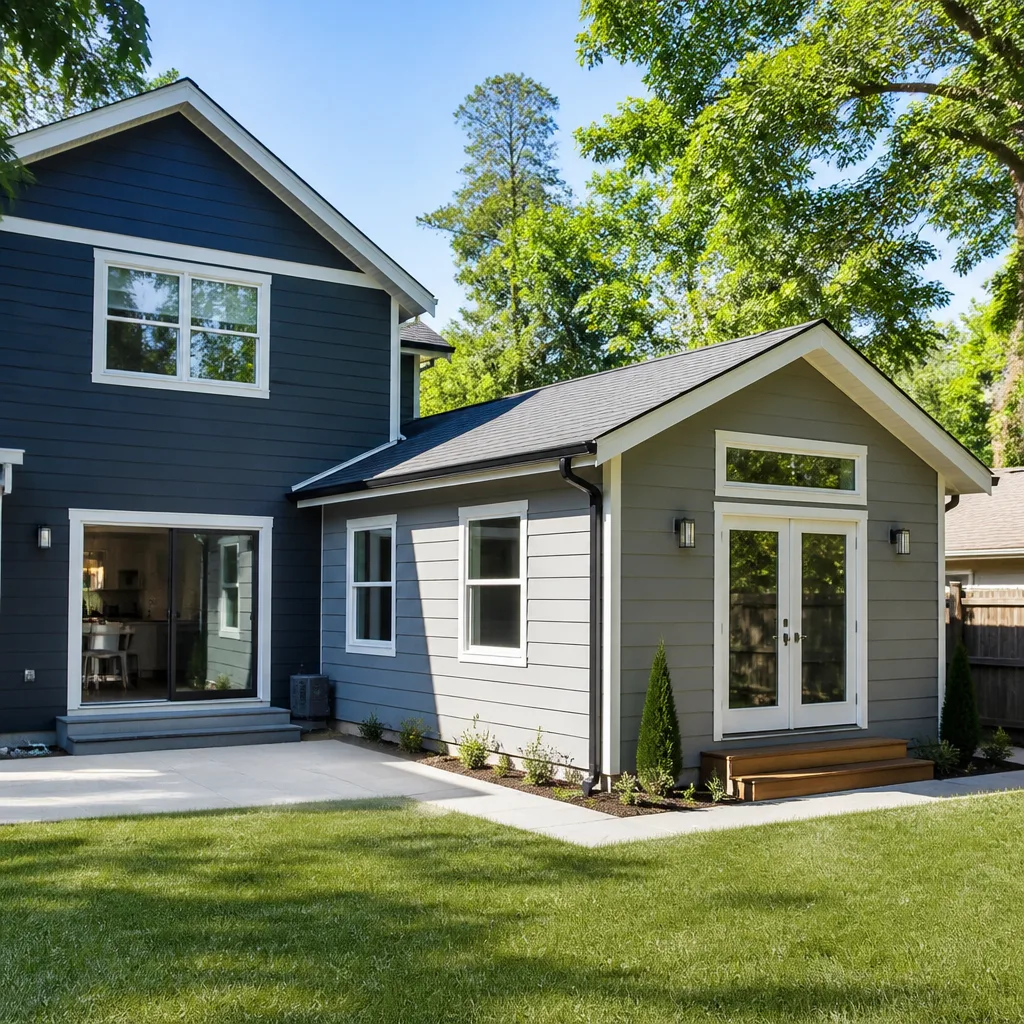
- ADU-Specific Permit Rules: State Law vs. Escondido Local Ordinances
- What ‘Permit in Progress’ Means on Your Property Title Search
- Permit Costs, Timelines, and How to Budget for Compliance
- Common Mistakes to Avoid
- When to Call a Professional
- Frequently Asked Questions
- The Bottom Line
BeforeAfterCalifornia’s 2022 Building Code: What Changed and What It Means for Your Project
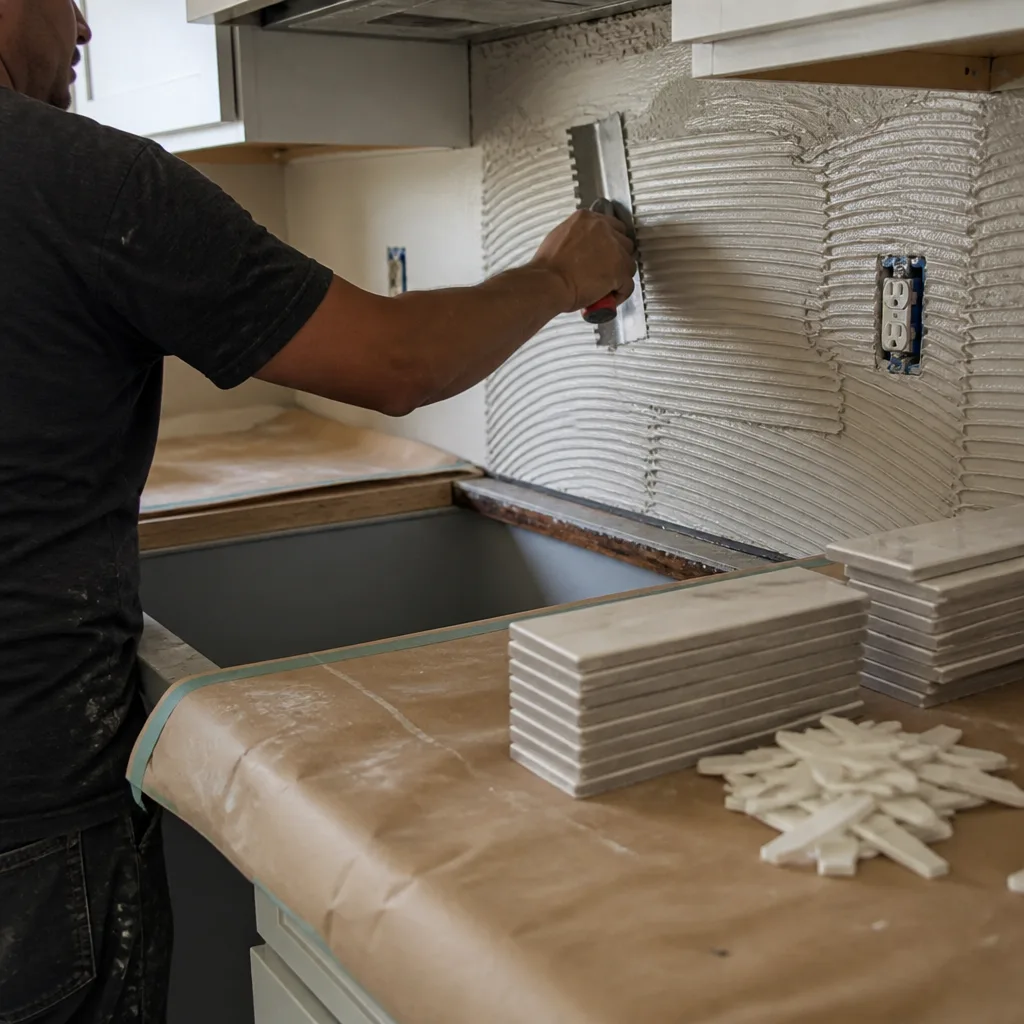
California adopts an updated building code every three years on a staggered cycle. The 2022 California Building Code (CBC) took effect January 1, 2023, with a six-month grace period for projects already in plan check. For homeowners planning work in 2024 and beyond, this is the operative code.
The 2022 CBC introduced several changes that directly affect residential remodeling in Escondido and across San Diego County:
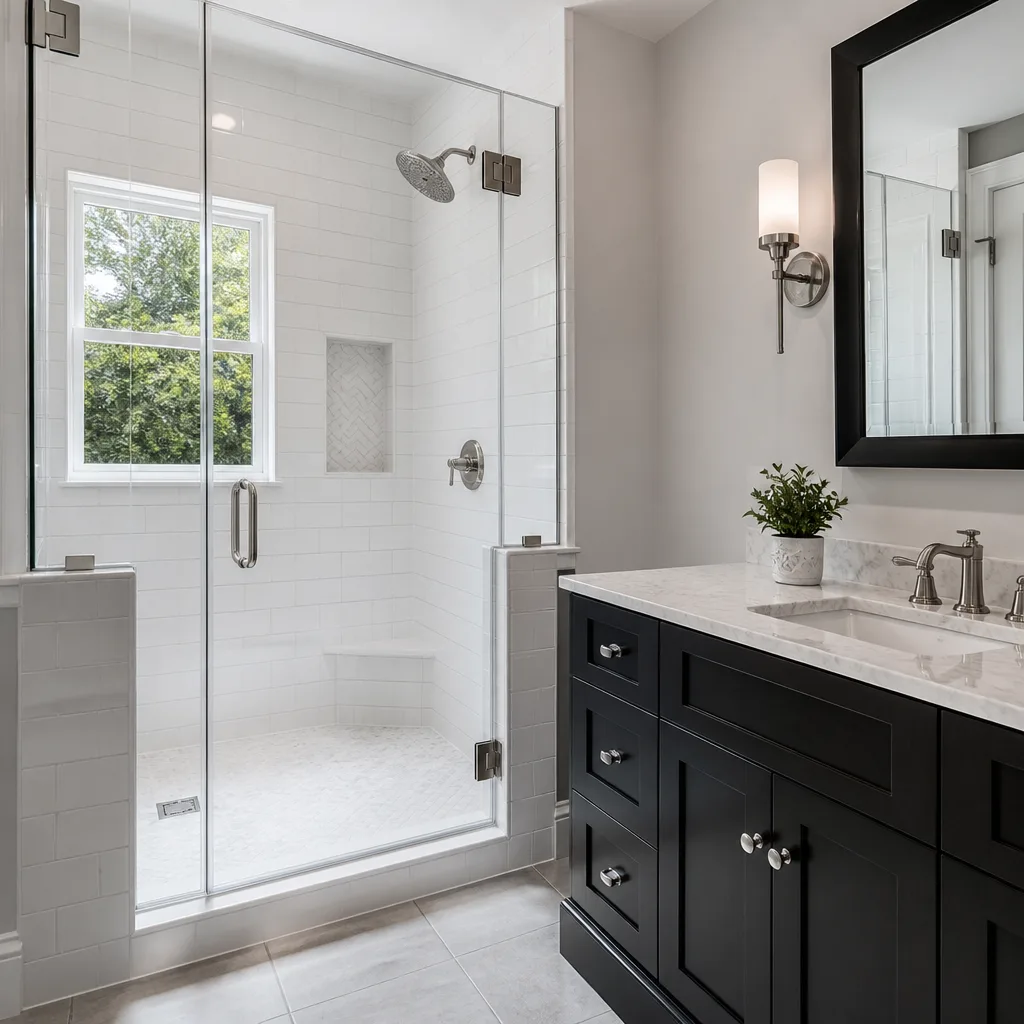
- Chapter 10 (Means of Egress): Updated requirements for emergency escape and rescue openings in sleeping rooms, including minimum net clear opening dimensions (5.7 square feet for ground-floor windows, 5.0 square feet for below-grade). If your bathroom remodeling in Escondido involves converting a window to a shower niche or replacing bedroom windows, these dimensions now apply.
- Chapter 11 (Accessibility): Expanded Type A and Type B dwelling unit requirements. Single-story dwellings and ground-floor units in multi-story buildings must meet stricter accessibility standards, including maneuvering clearances at doors and turning space in bathrooms.
- Chapter 16 (Structural Design): Updated seismic ground motion parameters. Escondido sits in a moderate seismic zone, and the 2022 CBC increased the required strength of connections between framing elements, particularly for retrofits and additions.
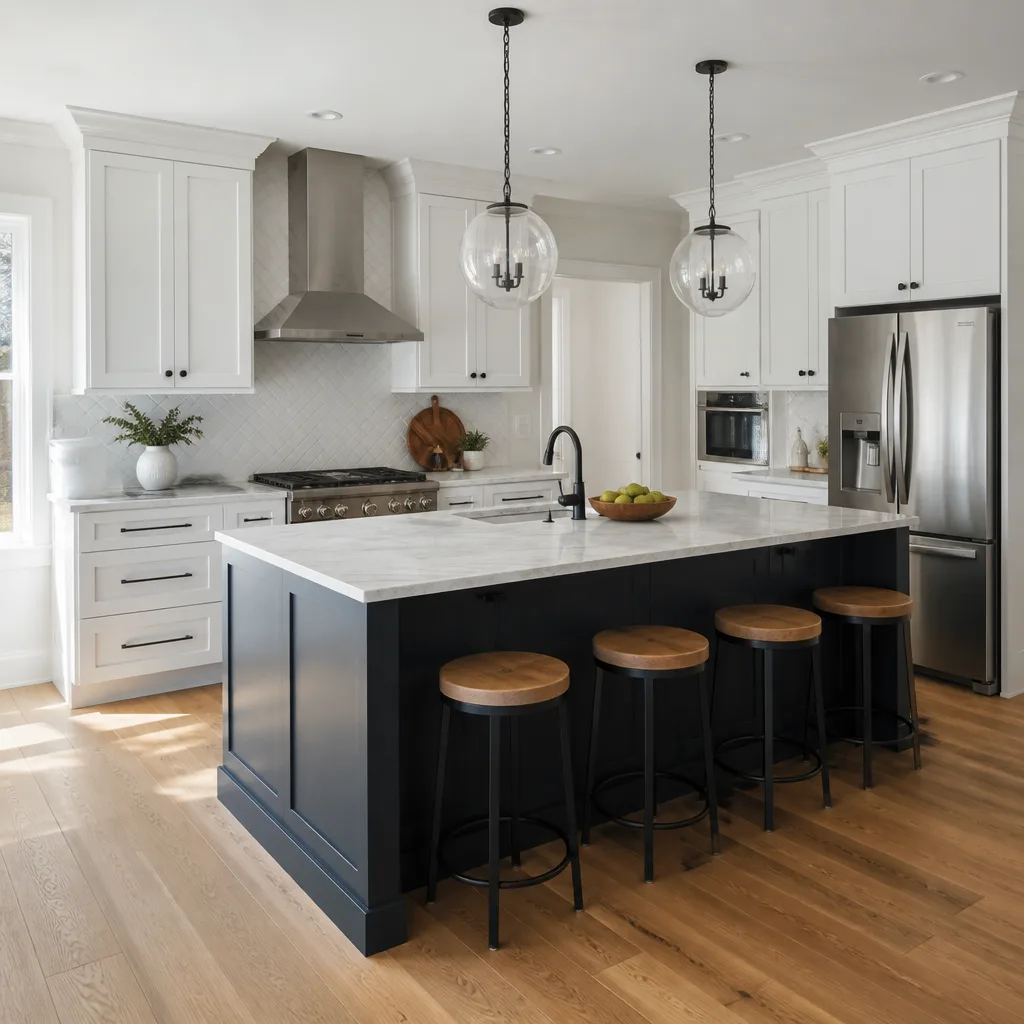
- Chapter 24 (Fuel Gas): New provisions for corrugated stainless steel tubing (CSST) bonding and lightning protection. If your project involves relocating a gas line to accommodate a kitchen remodeling in Escondido layout change, the bonding requirement now applies to all CSST installations.
Local amendments matter. San Diego County, which encompasses Escondido, maintains a Supplement to the CBC that adds requirements for:
- Wildland-urban interface (WUI) fire-resistant construction in designated zones, including specific roofing assembly ratings
- Coastal zone erosion and bluff stability (less relevant in central Escondido, but applicable in nearby unincorporated areas)
- Grading and drainage for hillside construction, with enhanced requirements in areas with slopes exceeding 15%
The Escondido Building Division enforces both the state CBC and the county supplement. Plans submitted without addressing local amendments are rejected in plan check, typically adding 2-3 weeks to the timeline. We’ve seen this repeatedly: a contractor submits standard CBC-compliant plans, the plan checker flags the missing WUI notation for a property in the Harmony Grove area, and the project stalls while drawings are revised.
Under Clause 1 of the Haven Standard, Rowan Construction Group delivers the written price only after confirming which code cycle and local amendments apply. The permit fee estimate in your quote reflects actual Escondido Building Division fee schedules, not a generic placeholder.
The Inspection Sequence for a Typical Escondido Remodel
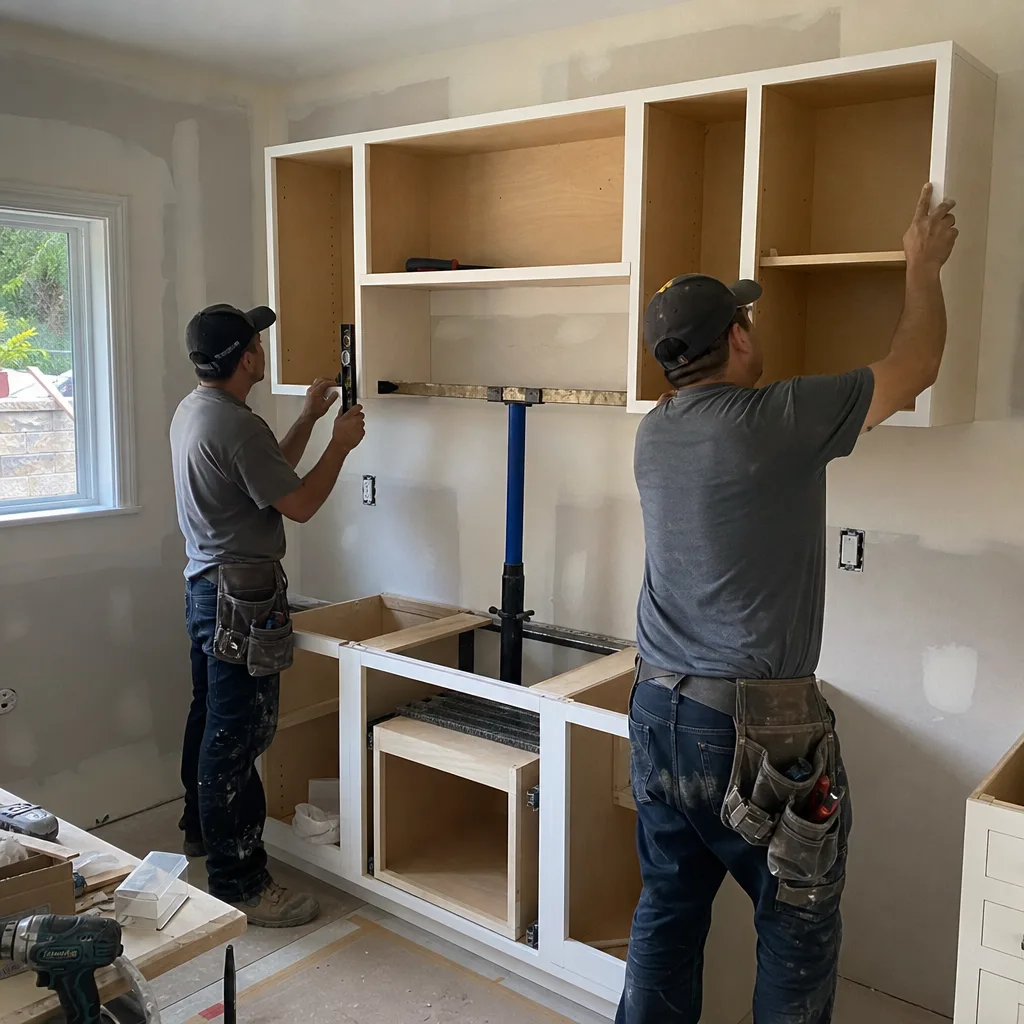
Permits are not a single approval. They are a sequence of verification checkpoints, each with a specific legal purpose. Understanding this sequence lets you verify your contractor is following it, and lets you spot red flags when stages are skipped.
For a typical Escondido kitchen or bathroom remodel involving structural, electrical, plumbing, and mechanical work, the inspection sequence is:
- Foundation/Underfloor (if applicable): Required when work extends to a slab edge, involves new plumbing below grade, or modifies post-and-pier supports. The inspector verifies soil contact, moisture barriers, and concrete compressive strength (minimum 2,500 psi for residential footings in Escondido’s expansive clay soils).
- Rough Framing: The inspector examines structural members for species, grade, and spacing; verifies connector hardware (joist hangers, hurricane ties) per the approved plans; and confirms fire-blocking at penetrations. In Escondido’s older neighborhoods like Old Escondido Historic District, we regularly find existing framing that doesn’t meet current connector schedules - the inspector will require sistering or supplemental hardware.
- Rough Mechanical, Electrical, and Plumbing (MEP): Three separate inspectors often, though Escondido coordinates combined inspections for smaller projects. Each verifies:
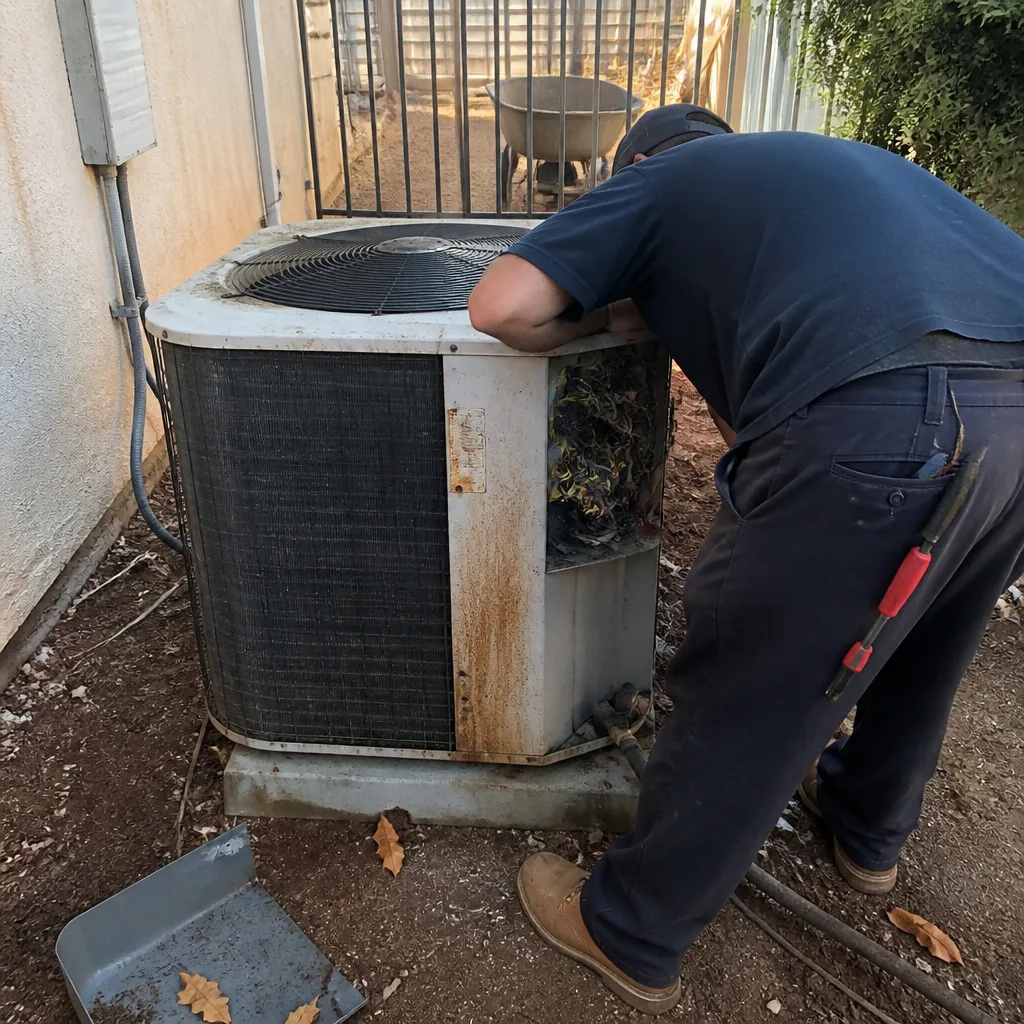
- Mechanical: duct sizing per Manual D, combustion air for gas appliances, clearance to combustibles
- Electrical: wire gauge matches breaker rating, GFCI/AFCI protection where required, box fill calculations
- Plumbing: pipe slope (minimum 1/4 inch per foot for drainage), venting configuration, water pressure test (typically 10 psi above working pressure for 15 minutes)
- Insulation: The inspector verifies R-values, installation quality (no compression in wall cavities), and vapor barrier placement. Title 24 compliance documentation is reviewed at this stage.
- Wallboard (Lath): A visual inspection before tape and mud. The inspector confirms fire-rated assemblies, shear wall nailing patterns, and proper fastening schedules. This is your last chance to photograph framing and MEP before concealment - Rowan’s documented photo record captures this automatically.
- Final: The inspector verifies all prior corrections are complete, tests operational systems (running water, energized circuits, appliance function), and confirms egress and accessibility compliance. A passed final inspection generates the Certificate of Occupancy or Completion, which legally closes the permit.
Each inspection requires 24-48 hours notice to the Escondido Building Division, and work cannot proceed beyond the inspected stage until sign-off. Contractors who pressure you to “just cover it, we’ll get the inspection later” are exposing you to liability - a red flag covered in our Construction Warning Signs: A Escondido Homeowner’s Reference Guide. If an inspector requires wall removal to verify concealed work, you pay for the demolition and repair, not the contractor.
In our experience across 4,000-plus projects, the most common inspection failure in Escondido is inadequate shear wall nailing in garage-to-living-space conversions and additions. The 2022 CBC increased nail schedules in seismic design categories, and many contractors working from memory use outdated spacing. We verify nailing patterns against the structural drawings before calling for inspection, because a failed lath inspection costs a week and re-drywall labor.
Title 24 Energy Compliance: HERS Ratings and What They Cost
California’s Title 24, Part 6 (the Building Energy Efficiency Standards) applies to virtually all residential construction, including alterations and additions. Compliance is not optional, and for many projects it requires a Home Energy Rating System (HERS) rater.
A HERS rater is a certified third-party verifier who tests and documents energy performance. They are not employed by the contractor; they are engaged separately to preserve independence. For Escondido homeowners, this means:
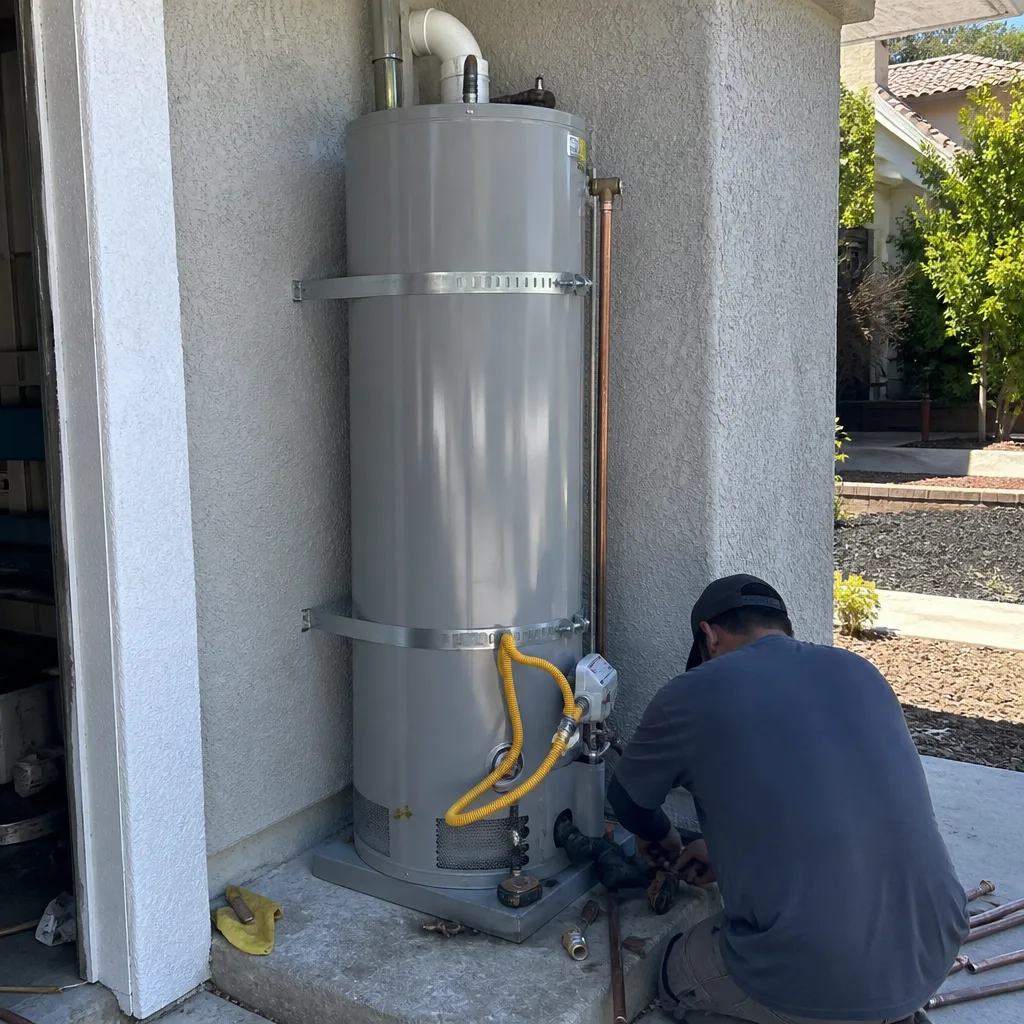
- When HERS is required: New HVAC installations, ductwork modifications exceeding 40 linear feet, new water heating systems, and any project triggering “altered envelope” rules (replacing more than 40% of a wall or ceiling assembly, or adding conditioned square footage).
- What they test: Duct leakage (maximum 15% of fan flow for new systems, 10% for alterations in Escondido’s climate zone), refrigerant charge verification, airflow measurement, and combustion safety for gas appliances. For envelope alterations, they verify insulation R-values and installation quality through visual inspection and thermal imaging.
- What it costs: $350-$600 for a typical residential project in Escondido, depending on the number of systems tested and the rater’s travel distance. This is separate from permit fees and is typically paid directly to the rater.
The HERS verification process adds 1-2 days to the project schedule. The rater visits at rough MEP to verify installation practices, then returns at final to perform diagnostic testing. Both visits must pass before the building inspector will sign off on the associated mechanical or final inspection.
Escondido’s climate zone (CEC Climate Zone 7, “Coastal”) has specific requirements that differ from inland zones. Cooling load calculations use different design temperatures, and the prescriptive insulation package for walls is R-13 minimum in wood frame construction. A contractor using inland zone assumptions will produce non-compliant plans.
Rowan’s written quotes include HERS costs when applicable, with the rater’s scope specified. We do not absorb this into a vague “permit and fees” line item because the customer pays the rater directly, and transparency about that transaction is part of the documented record.
ADU-Specific Permit Rules: State Law vs. Escondido Local Ordinances
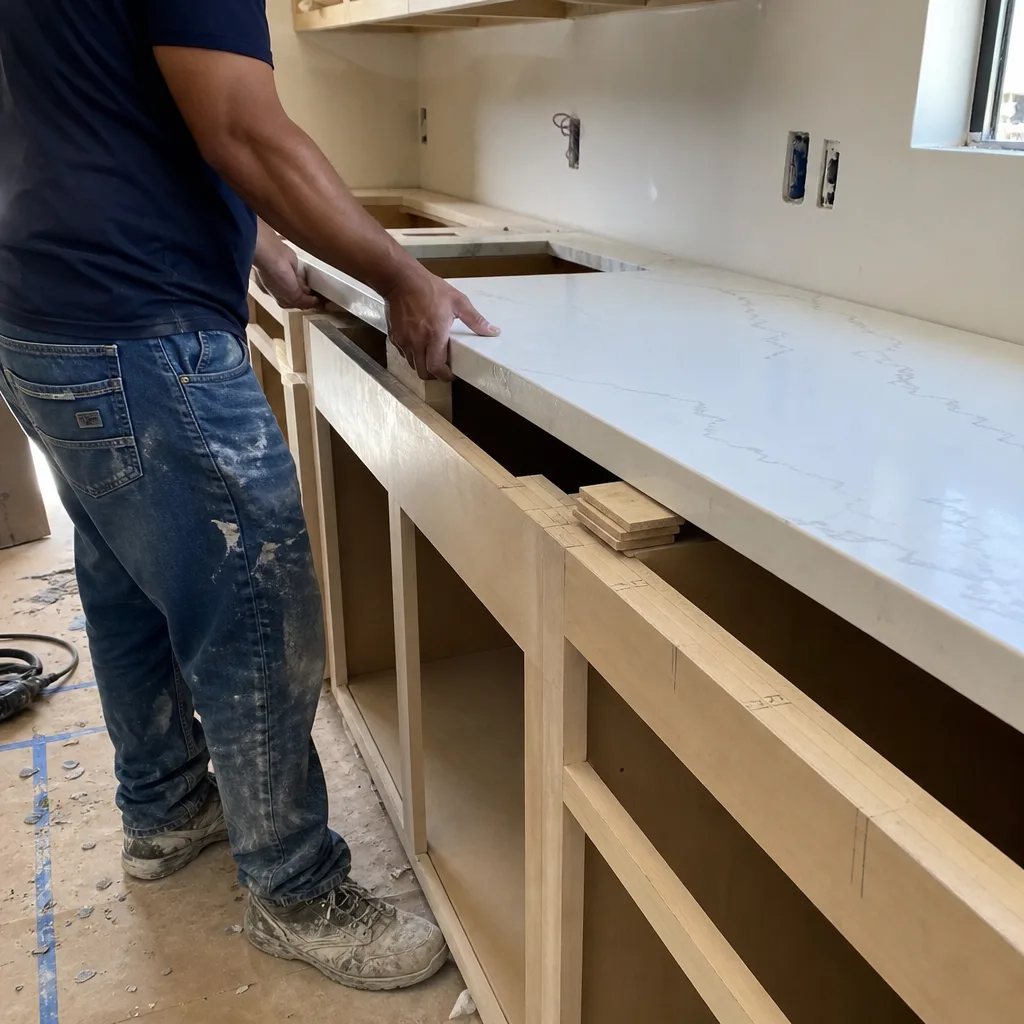
California’s Accessory Dwelling Unit (ADU) legislation has been revised repeatedly since 2016, with major updates in 2019 and 2020 that significantly constrain local governments’ ability to restrict ADU development. For Escondido homeowners, the interaction of state mandates and local ordinances creates specific opportunities and requirements.
State law (Government Code Section 65852.2, as amended) establishes:
- Automatic ministerial approval for ADUs meeting objective standards, with no discretionary review or hearing required
- Maximum impact fees for ADUs under 750 square feet, and proportional fees for larger units
- No owner-occupancy requirement for ADUs permitted after January 1, 2020 (though this was temporarily reinstated for some jurisdictions, Escondido is not among them)
- Maximum setback of 4 feet from side and rear property lines for detached ADUs
- Height allowances: 16 feet for ADUs within 1/2 mile of transit, or on lots with existing multi-family dwellings; 18 feet with a sloped roof or attached to the primary dwelling
Escondido’s local ADU ordinance, adopted in compliance with state law, adds:
- Design review for ADUs in the Old Escondido Historic District, requiring architectural compatibility with the primary dwelling
- Parking replacement: if an existing garage is converted to an ADU, the displaced parking must be replaced on-site unless the property qualifies for parking exemptions (within 1/2 mile of transit, or in a historic district where on-street parking is prevalent)
- Fire separation requirements for attached ADUs: 1-hour fire-rated assembly between units, with specific door and penetration details
The permit process for an Escondido ADU typically involves:
- Pre-application conference (recommended, not required): 30-minute meeting with Escondido Building Division staff to review site constraints and feasibility
- Plan check: 4-6 weeks for standard review, with expedited 2-week review available for ADUs under 750 square feet that meet all prescriptive standards
- Construction period inspections: same sequence as other residential construction, with additional fire separation inspection for attached units
- Final inspection and Certificate of Occupancy: required before legal occupancy, and before the ADU can be separately metered or rented
We’ve completed ADU projects in Escondido where the permit timeline exceeded construction duration. The bottleneck is rarely state law; it’s local plan check capacity and the complexity of utility coordination. Our written quotes for ADUs include a permit timeline estimate based on current Escondido Building Division throughput, not an optimistic assumption.
What ‘Permit in Progress’ Means on Your Property Title Search
A permit that is opened but not properly closed creates a cloud on title that can derail refinancing, complicate sale transactions, and expose buyers to latent liability. This is one of the most underappreciated risks in residential construction, and it’s entirely preventable with basic verification.
When you search a property in Escondido through the San Diego County Assessor or the Escondido Building Division permit portal, permit status appears as one of:
- Issued: Permit is active, work may be in progress. No final inspection has occurred.
- Expired: Permit lapsed without completion, typically 180 days after issuance with no inspection activity, or 180 days after the last approved inspection with no further progress.
- Final: All required inspections passed, Certificate of Occupancy or Completion issued. This is the only status that legally closes the permit.
- Suspended or Revoked: Work was halted due to violations, unsafe conditions, or failure to correct inspection deficiencies. Requires specific action to resolve.
An “Issued” or “Expired” status on a permit for work that appears complete is a red flag. It means:
- The work was not inspected at final, or failed final inspection and was never corrected
- The Certificate of Occupancy was never issued, meaning the work is not legally approved
- A subsequent buyer may be required to open walls, provide as-built documentation, or re-permit the work retroactively
- Insurance coverage for the affected area may be contested
- Liability for defects may fall on the current owner, not the original contractor
Before purchasing or refinancing in Escondido, verify permit status through:
- Escondido Building Division permit search: escondido.org/permits (public portal, free, searchable by address)
- San Diego County Assessor parcel lookup for historical permit records
- Direct inquiry to the Building Division with the specific permit number, requesting written confirmation of final status
If you discover an open permit, the resolution path depends on status. An expired permit typically requires re-application, often with updated plans to current code, plus fees that may exceed original permit costs. A suspended permit requires correction of the underlying violation before reinstatement. Neither process is quick; we’ve seen 3-6 month resolution timelines.
Rowan’s standard closeout includes written confirmation of final permit status, delivered with the project documentation packet. We also provide the permit number and inspection pass dates in the photo record, so verification is trivial for any subsequent transaction.
Permit Costs, Timelines, and How to Budget for Compliance
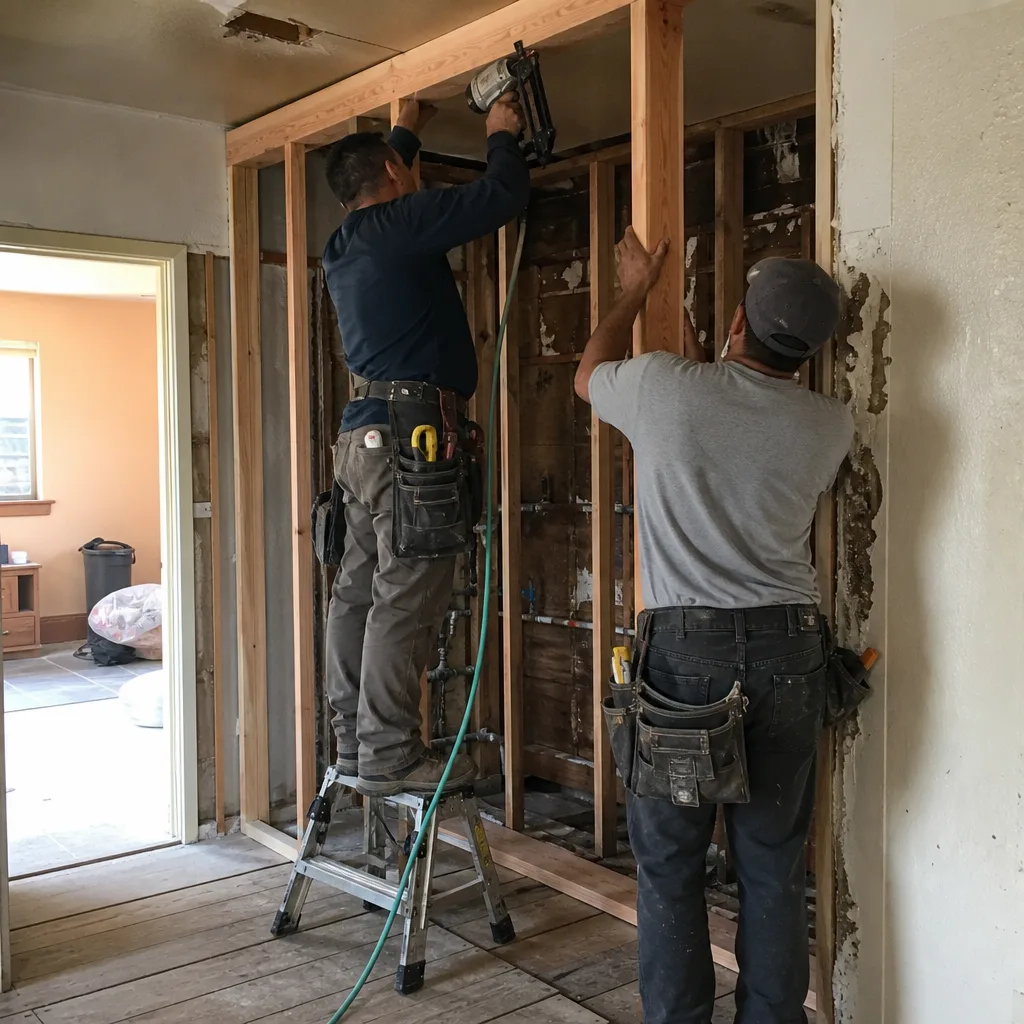
Permit costs in California are not standardized statewide. They combine state-mandated fees, local building division charges, and specialty assessments that vary by jurisdiction and project type. For Escondido homeowners, realistic budgeting requires understanding each component.
Escondido Building Division Fee Structure (typical ranges):
- Plan check fee: 65% of the permit fee, paid at application. For a $50,000 project value, approximately $520-$650.
- Building permit fee: Based on project valuation, calculated per square foot or as a percentage of construction cost. Typical ranges:
- Kitchen remodel ($25,000-$75,000 value): $400-$1,200
- Bathroom remodel ($15,000-$40,000 value): $280-$720
- Room addition (200-400 sq ft): $800-$2,000
- ADU (500-800 sq ft): $1,200-$3,500
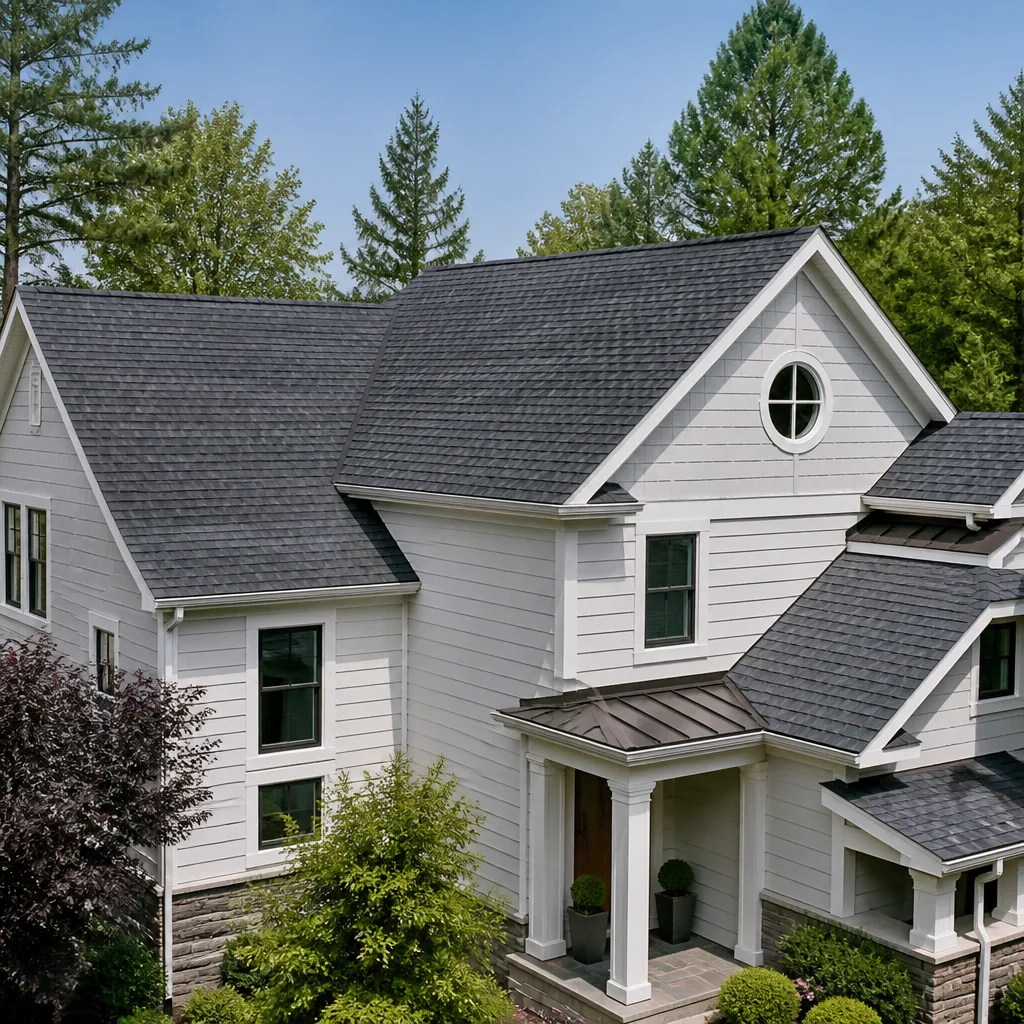
- Roofing in Escondido (complete replacement): $180-$450
- Plumbing permit: $85-$180 per fixture or system, depending on complexity
- Electrical permit: $95-$220 for service upgrades or circuit additions
- Mechanical permit: $110-$250 for HVAC replacement or duct modifications
- Fire department review: $75-$150 for projects requiring fire separation or suppression review
Additional required costs:
- Title 24 HERS verification: $350-$600 (as detailed above)
- Structural engineering: $800-$2,500 for additions, ADUs, or projects modifying load paths. Required when standard prescriptive solutions don’t apply.
- Soils report: $1,200-$3,000 for hillside construction or expansive soil conditions, common in Escondido’s western and northern areas
- Grading permit: $500-$1,500 plus geotechnical review for cuts/fills exceeding specific thresholds
Timeline expectations:
- Plan check: 2-6 weeks depending on project complexity and current volume. Escondido offers expedited review for ADUs meeting prescriptive standards.
- Inspection scheduling: 24-48 hours notice required, with inspections typically occurring within 2-4 business days of request
- Re-inspection after failure: same scheduling window, plus correction time. Budget 1-2 weeks per potential re-inspection cycle.
- Total permit timeline from application to final: 6-14 weeks for typical remodels, 12-24 weeks for complex additions or ADUs
These costs and timelines are incorporated into Rowan’s written quotes as line items, not hidden in overhead. Under the Haven Standard, the price you agree to includes the permit path we actually expect, with variance explained if site conditions trigger additional requirements.
Common Mistakes to Avoid
- Accepting “permit included” without specifying which permits. A contractor who says “permits included” may mean only the building permit, leaving you to discover later that electrical, plumbing, or mechanical permits were never pulled. Verify each trade permit separately in writing.
- Starting work before plan check approval. In Escondido, construction without an issued permit triggers a stop-work order, double fees, and potential code compliance orders that can require demolition. The “we’ll get it approved retroactively” approach fails when field conditions don’t match assumptions.
- Assuming a passed rough inspection means final is automatic. Rough inspections verify installation methods; final inspections verify operational performance and finished compliance. We’ve seen projects pass rough MEP then fail final because fixtures were substituted after inspection (a Kohler valve replaced with an unlisted import, for instance) or because accessible clearances were compromised by finish material thickness.
- Neglecting to verify permit closure at project completion. Request the Certificate of Occupancy or Completion, verify it in the Escondido permit portal, and retain it with your project records. An open permit discovered at sale can cost thousands in expedited correction work.
- Using prescriptive code tables for hillside or historic properties. Escondido’s terrain and historic districts trigger requirements beyond standard prescriptive solutions. A standard span table may not apply to a foundation on expansive clay; a standard egress window may not satisfy Old Escondido Historic District design review.
- Ignoring utility notification requirements. Electrical service upgrades and gas line work require coordination with SDG&E, which has its own inspection and approval sequence independent of the building permit. Delays here cascade into project delays if not planned.
- Failing to document existing conditions before work starts. If a dispute arises about whether a condition is pre-existing or caused by construction, photographs are evidence. Our documented photo record establishes baseline conditions and progress states, but homeowners should also photograph their own property before crews arrive.
When to Call a Professional
Permit strategy is not a DIY exercise for projects involving structural, electrical, plumbing, or mechanical work - see our DIY vs Professional Construction: The Escondido Homeowner’s Decision Guide for a deeper comparison. The cost of professional permit management is recovered through avoided delays, failed inspections, and retroactive compliance. Specific scenarios where professional engagement is essential:
Any project modifying load-bearing elements, requiring structural engineering, or triggering hillside geotechnical review. Any ADU or addition, given the complexity of state-local code interaction. Any work in Escondido’s historic districts or wildland-urban interface zones, where local amendments significantly modify standard requirements. Any project where the permit status of prior work is unclear, requiring historical research and potential remediation.
Rowan Construction Group Escondido offers free estimates in Escondido - call (858) 683-6538. Every estimate includes a written permit strategy, fee estimate based on current Escondido Building Division schedules, and timeline that accounts for plan check and inspection scheduling, following the process in our How to Hire a Construction Contractor in Escondido: A Step-by-Step Guide. We also offer a Free Second Opinion on any written estimate from another contractor, reviewing their permit assumptions line by line at no charge.
Frequently Asked Questions
Permit costs for a typical Escondido kitchen or bathroom remodel range from $800 to $2,400, including plan check, building permit, and trade permits for electrical, plumbing, and mechanical work. ADUs and room additions run higher, typically $1,200 to $5,000 depending on project valuation and required specialty reviews. Call (858) 683-6538 for a written estimate with line-item permit costs specific to your project - estimates are free.
California allows owner-builders to pull permits and perform their own work on their primary residence, but the owner must personally perform the work (not hire unlicensed help) and is subject to the same inspections as licensed contractors. In Escondido, owner-builders are still required to use licensed electricians for service upgrades exceeding 200 amps and licensed plumbers for gas line work. The liability exposure for defective owner-performed work falls entirely on the homeowner, including downstream damage and insurance disputes.
Under the Haven Standard, no work proceeds on a change until the change order is signed. If permit-related conditions emerge - an unpermitted prior addition discovered during plan check, for example - we document the condition, specify the correction scope and cost in writing, and obtain your signature before any additional work begins. This discipline has kept Rowan’s projects within a few percent of the agreed price across 4,000-plus jobs.
Rowan Construction Group pulls all required permits as part of our standard project management. We submit plans, coordinate with Escondido Building Division plan checkers, schedule inspections, and manage corrections. You receive copies of all permit documents, inspection pass notices, and the final Certificate of Occupancy or Completion. This is included service, not an add-on.
Plan check for a typical kitchen remodel in Escondido takes 2-4 weeks, with construction-period inspections adding 2-3 weeks to the overall timeline depending on scheduling availability and any correction cycles. Projects requiring structural engineering or historic district review add 2-4 weeks. Our written quotes include a permit timeline based on current Escondido Building Division throughput.
Unpermitted work discovered during a title search or inspection can trigger a retroactive permit requirement, requiring as-built documentation, potential wall or ceiling opening for inspector verification, and correction of any code deficiencies to current standards. In Escondido, this process typically costs more than original permitting would have, and the current owner bears the cost and liability. Always verify permit closure through the Escondido Building Division portal before closing, and request written confirmation for any open or expired permits.
The Bottom Line
California’s permit system is a structured quality-control process, not an obstacle to efficient construction. The 2022 Building Code, Title 24 energy requirements, and Escondido’s local amendments create specific compliance paths that protect homeowners from defective work, uninsurable improvements, and title complications. Understanding the inspection sequence, budgeting realistic permit costs, and verifying proper permit closure are basic due diligence steps that pay for themselves many times over.
The contractors who treat permits as the homeowner’s protection rather than their own inconvenience deliver better outcomes. That’s the discipline behind the Haven Standard, and it’s why Rowan Construction Group has put every price in writing since 2007.
Written by Grant Rowan, Owner at Rowan Construction Group Escondido, serving Escondido since 2007.