
Last updated September 25, 2026
Free written scope consultation - allowances, timeline, and change-order rules on paper before a single trade is scheduled




 Before
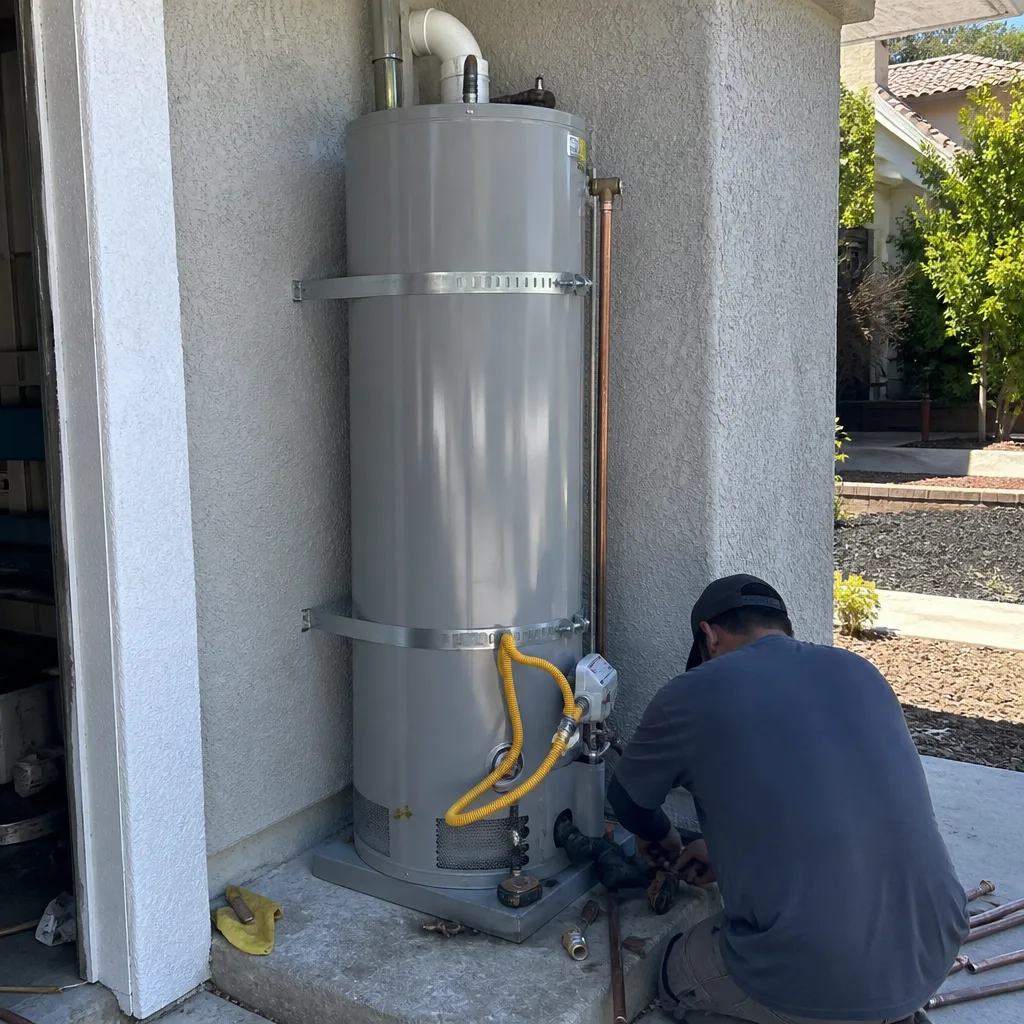 After
After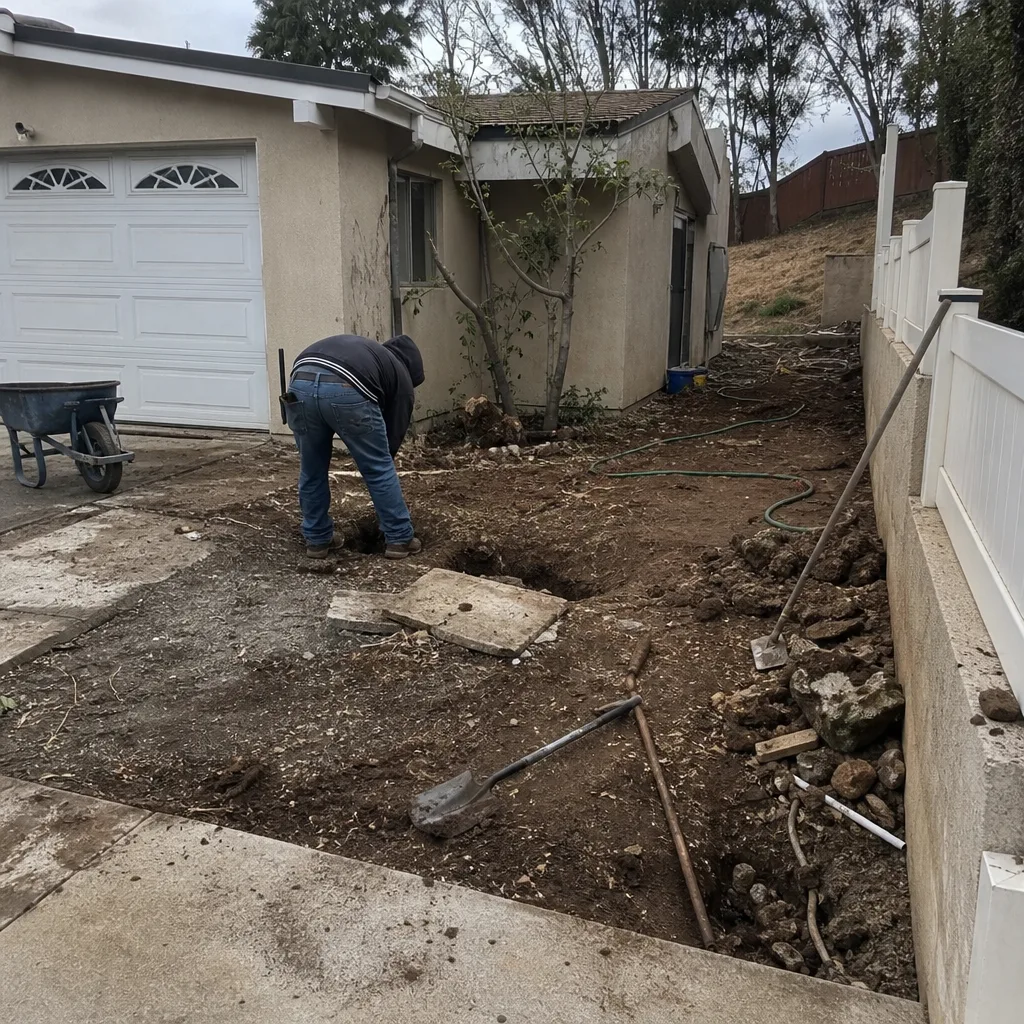 Before
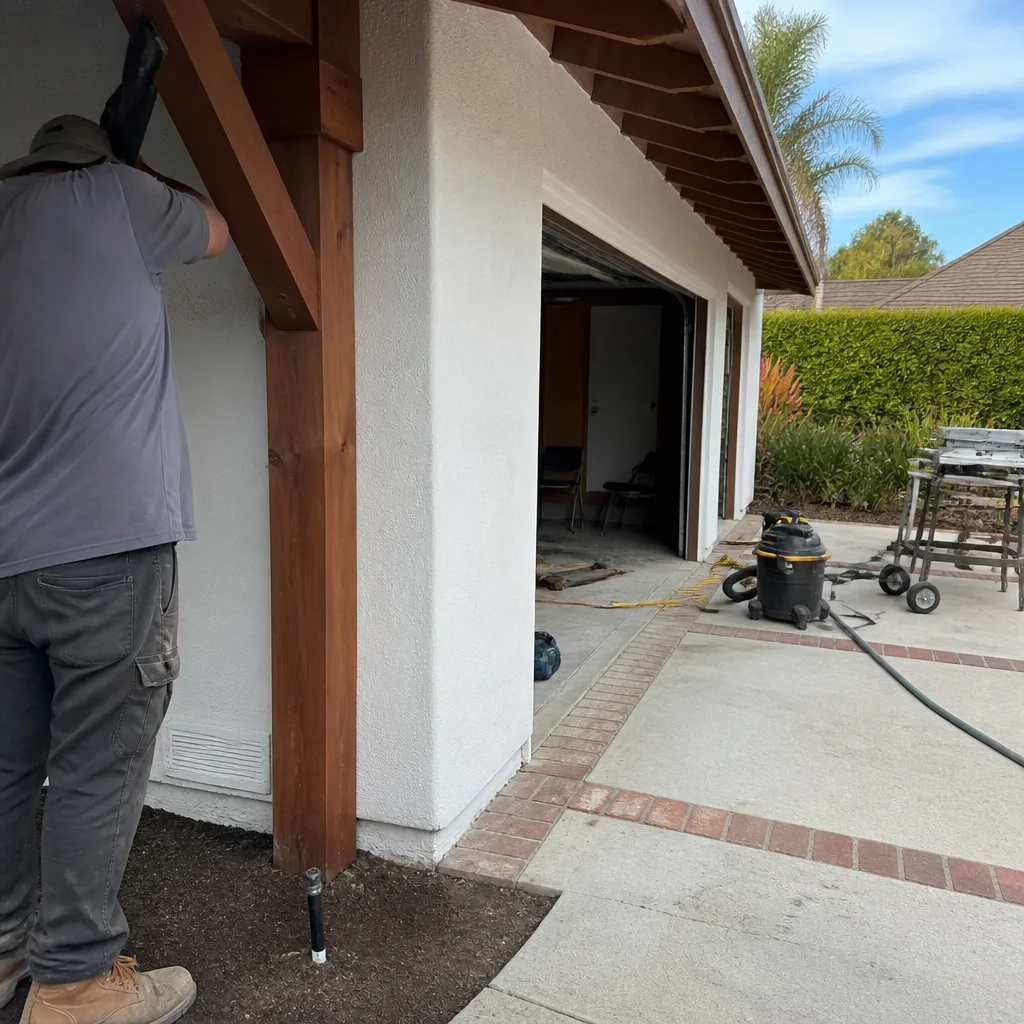 After
After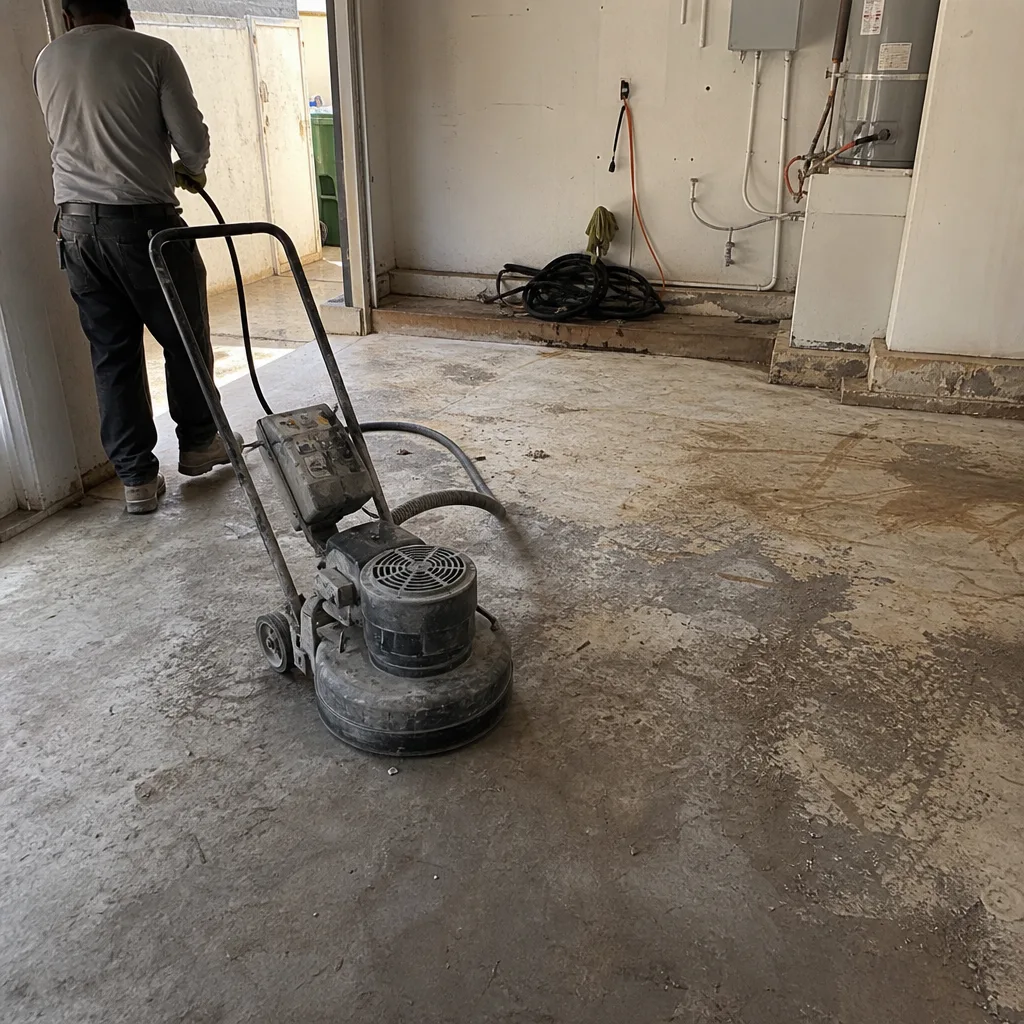 Before
 After
AfterDIY vs Professional Construction: The Escondido Homeowner’s Decision Guide
California’s owner-builder permit exemption lets homeowners pull their own permits, but it comes with a mandatory disclosure most DIY guides bury in fine print: you cannot sell the property within one year of completion without revealing the owner-builder status to buyers. In Escondido’s competitive resale market, where homes in neighborhoods like Felicita and Jesmond Dene routinely attract multiple offers, that disclosure shifts negotiation leverage to the buyer. This guide covers what California law actually permits, what it costs to ignore the permit system, and how to calculate whether DIY savings survive first inspection.
Quick Answer
Most Escondido homeowners can legally self-perform cosmetic work like painting, tile setting, and cabinet installation with an owner-builder permit, but California requires licensed contractors for electrical panel work, gas line modifications, and structural framing regardless of personal skill. The true DIY cost includes permit fees, tool rental, 10-15% material waste, and your time valued honestly. Professional contractors carry liability insurance and pull permits that transfer cleanly at resale. Rowan Construction Group Escondido delivers written, flat-price quotes before any work starts on every trade, from Kitchen Remodeling in Escondido to Roofing in Escondido.
Table of Contents
- California Owner-Builder Law: What You Can and Cannot Legally Do
- Trade-by-Trade DIY Legality in Escondido
- True Cost Comparison: The Math DIY Guides Skip
- Insurance, Permits, and Resale: The Hidden Liabilities
- Projects Where Professional Execution Pays for Itself
- Permits and Inspections in Escondido: The Process Step-by-Step
- Common Mistakes to Avoid
- When to Call a Professional
- Frequently Asked Questions
BeforeAfterCalifornia Owner-Builder Law: What You Can and Cannot Legally Do
California Business and Professions Code Section 7044 creates the owner-builder exemption, and it is narrower than most homeowners assume. The law permits a property owner to act as their own general contractor on a single-family residence they intend to occupy, but only if the structure contains no more than four dwelling units and the owner does not do so more than once every two years. The exemption does not apply to speculative construction, rental properties, or any project where the owner does not reside on site during construction.
The CSLB requires every owner-builder to sign a disclosure form, B&P 7044, that states in plain language: the owner assumes full responsibility for the project, must hire only licensed subcontractors for regulated trades, and must disclose the owner-builder status to any buyer within one year of completion. This is not a recommendation. It is a statutory requirement that attaches to the property record.
What this means in Escondido practice: if you finish a bathroom remodel in March and need to relocate for work the following January, your listing must disclose the owner-builder status. Buyers in Escondido’s $700,000-plus market routinely request permit history through the City of Escondido’s online portal, and an owner-builder flag triggers additional inspection scrutiny that can delay closing or justify a price reduction.
The exemption also does not override local licensing requirements. Escondido follows San Diego County’s enforcement of CSLB regulations, meaning unlicensed electrical, plumbing, or structural work is a misdemeanor regardless of whether the owner pulled a permit. We have reviewed project files where homeowners completed permitted framing themselves, then hired unlicensed day laborers for electrical rough-in, only to have the city red-tag the job and require full removal of finished drywall for inspection access.
Under Clause 1 of the Haven Standard, Rowan Construction Group puts every price in writing before work starts, including permit costs and inspection scheduling. The written scope specifies which trades require licensed subcontractors and which fall under our general contractor license, so the homeowner knows exactly who carries liability for each phase.
Trade-by-Trade DIY Legality in Escondido
California draws sharp lines between cosmetic work, trade work, and structural work. The table below shows what an owner-builder permit actually covers versus what requires a licensed contractor under state law.
| Work Type | Owner-Builder Legal? | Licensed Contractor Required? | Common Escondido Example |
|---|---|---|---|
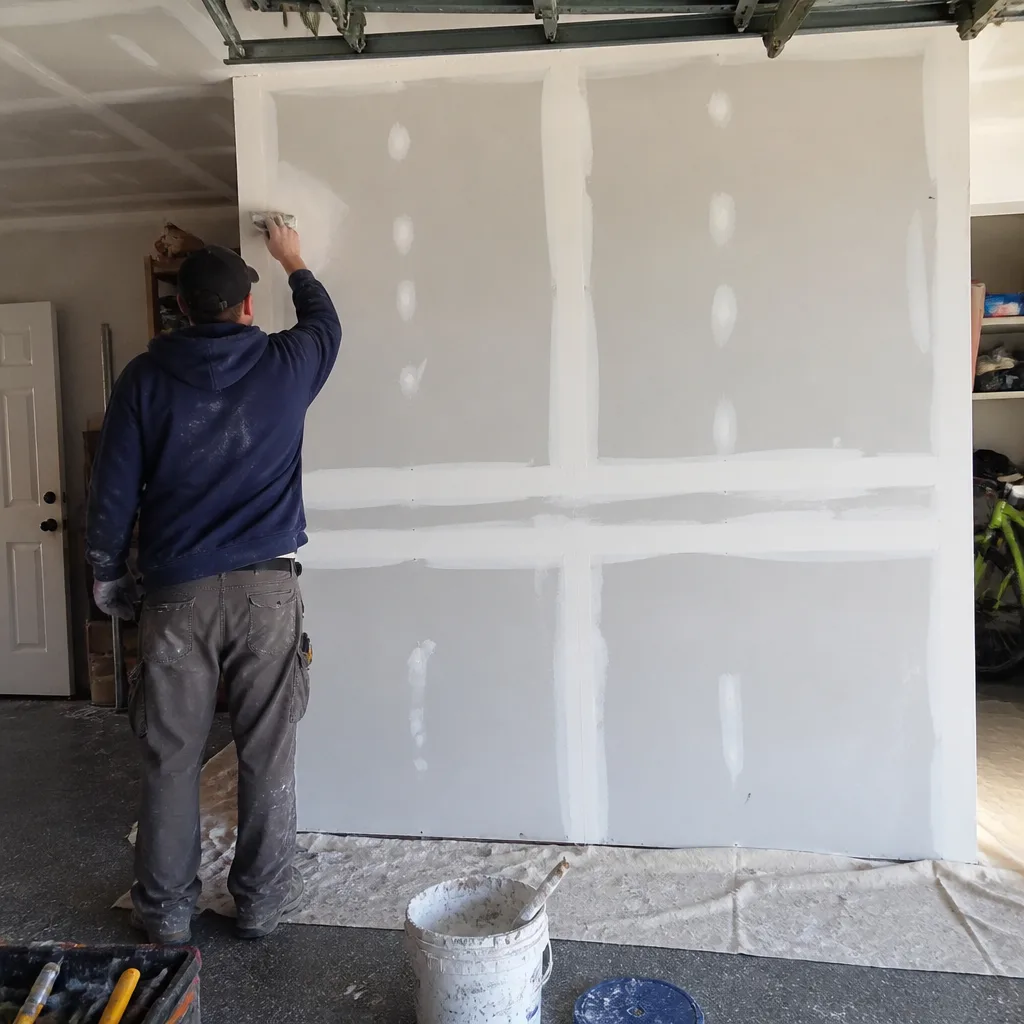
| Interior painting, drywall finishing | Yes | No | Repainting a Del Dios ranch kitchen |
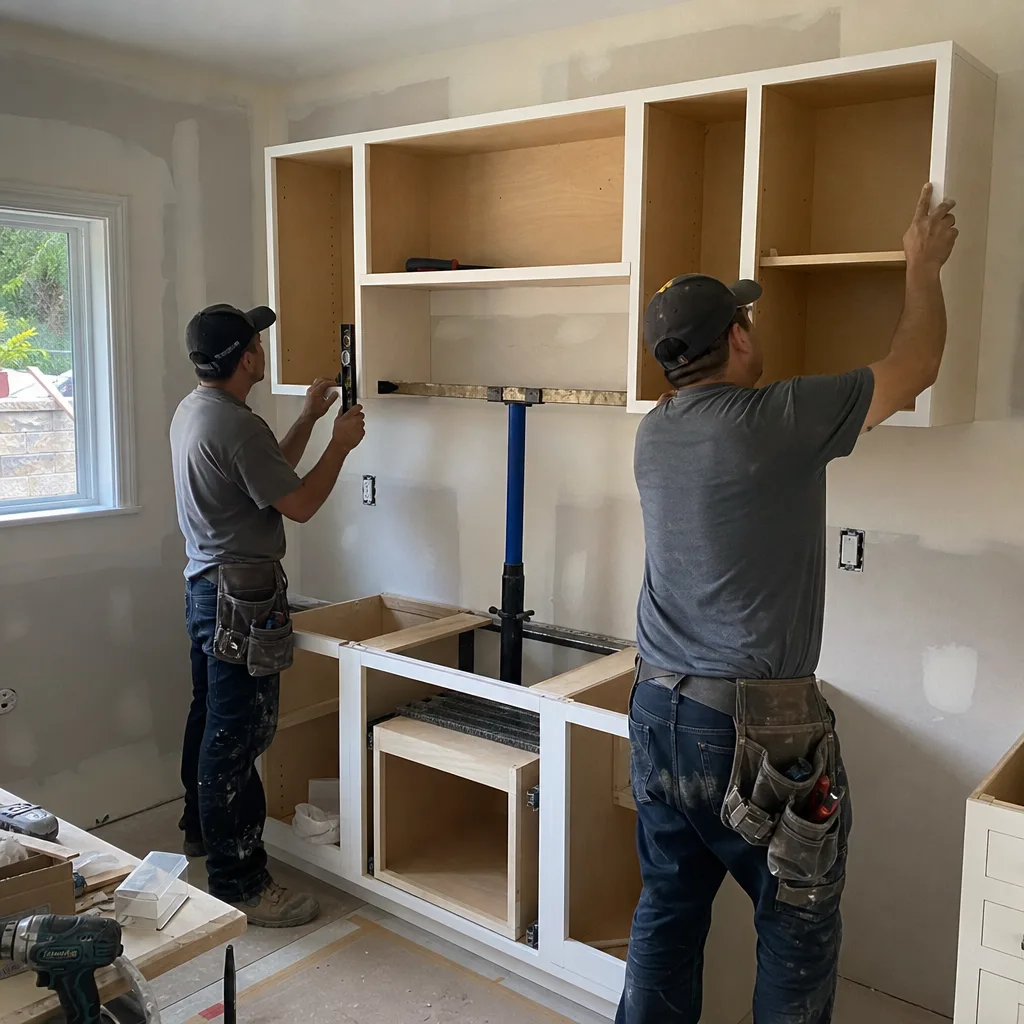
| Cabinet installation (non-structural) | Yes | No | Ikea cabinet assembly in Old Escondido |
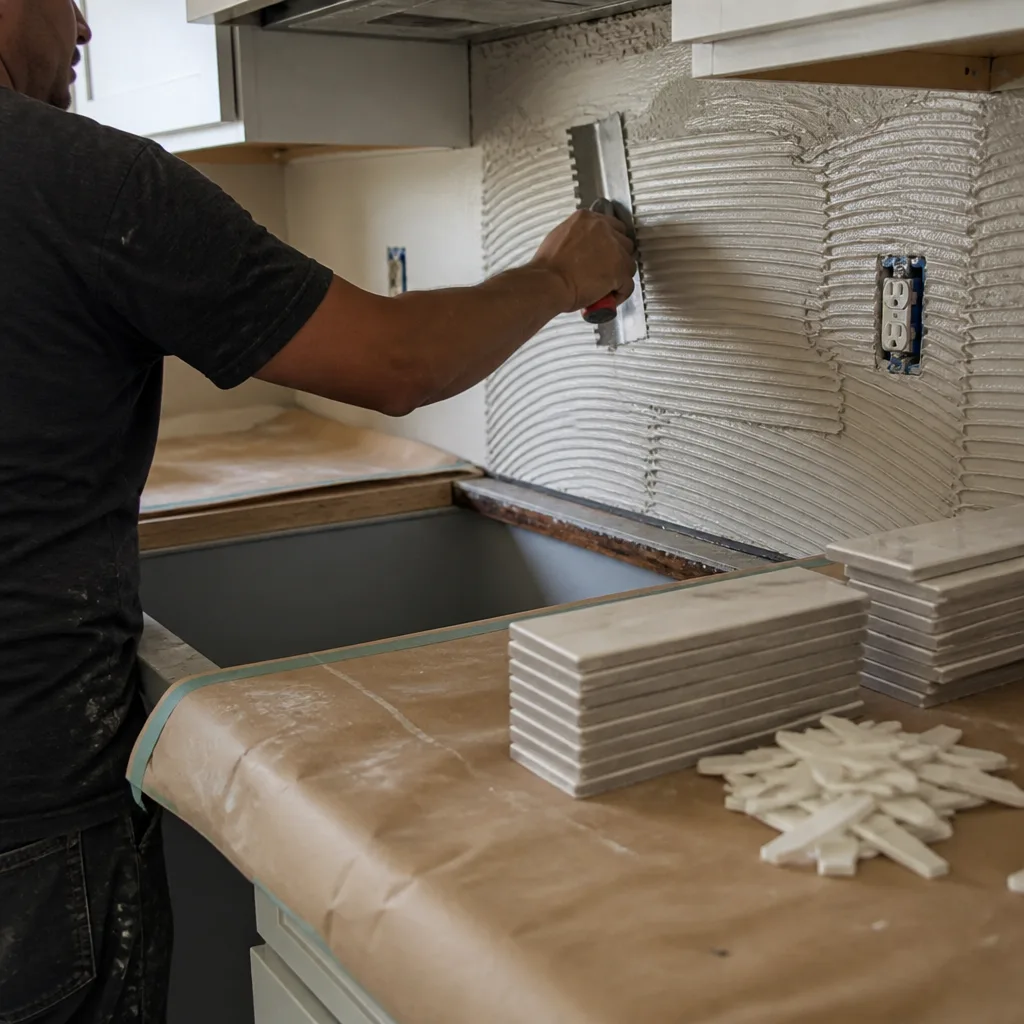
| Tile setting (floor and wall) | Yes | No | Bathroom floor tile in Harmony Grove |
| Electrical panel upgrades or new circuits | No | C-10 Electrician | 200-amp service for ADU in Hidden Meadows |
| Gas line relocation or extension | No | C-36 Plumber | Moving a gas range in central Escondido |
| Structural wall removal or beam installation | No | B General or C-5 Framing | Open-concept kitchen in Felicita |
| Roofing (more than 100 sq ft or two layers) | No | C-39 Roofing | Full re-roof after Santa Ana wind damage |
| Window replacement (same size) | Yes | No | Swapping single-pane for dual-pane in Jesmond Dene |
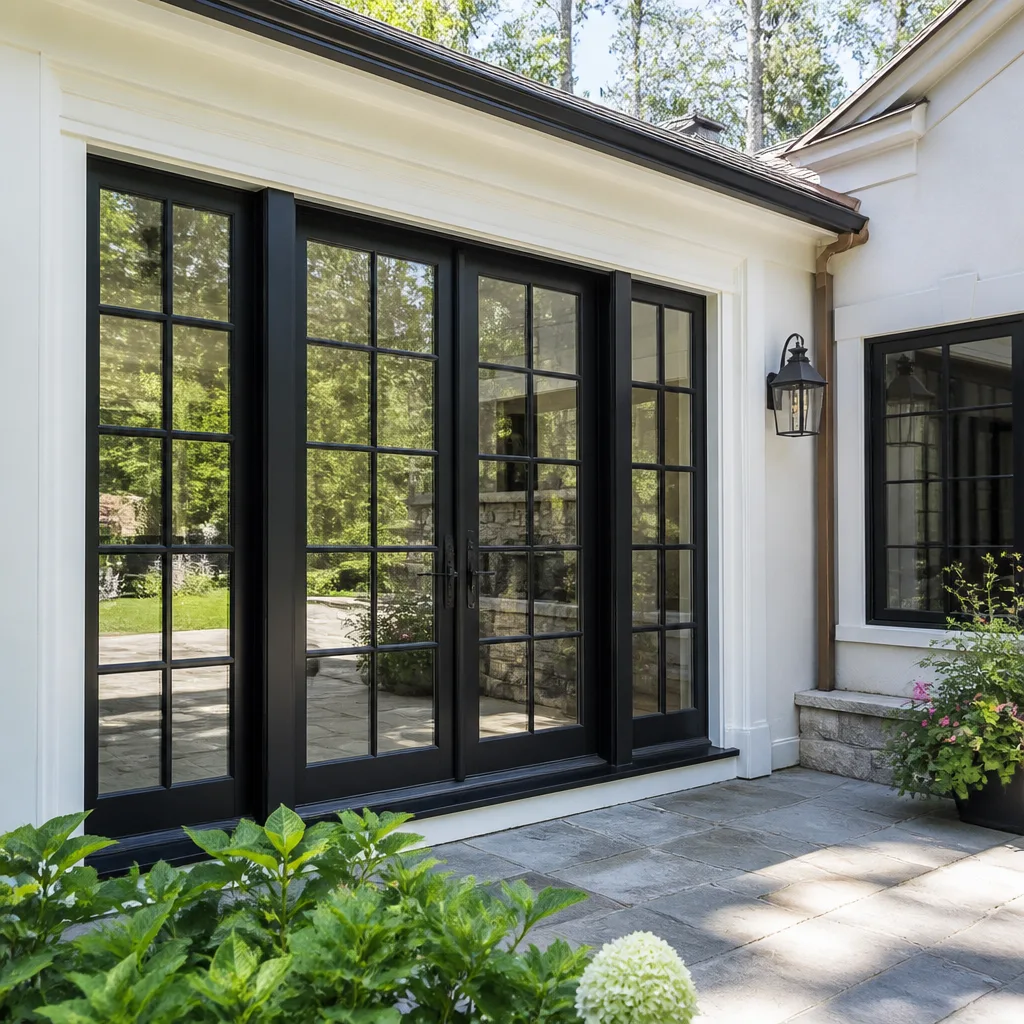
| Window enlargement or new openings | No | B General | Adding a sliding door to a patio in Country Club |
The distinction between “yes” and “no” is not about competence. We have met Escondido homeowners who could frame a wall straighter than some licensed carpenters. California law regulates the work, not the worker, because the state assigns liability for defects, injuries, and code compliance to the license holder. An owner-builder who performs their own electrical work assumes personal liability for any fire, electrocution, or code violation, with no contractor’s bond or insurance policy to absorb the loss.
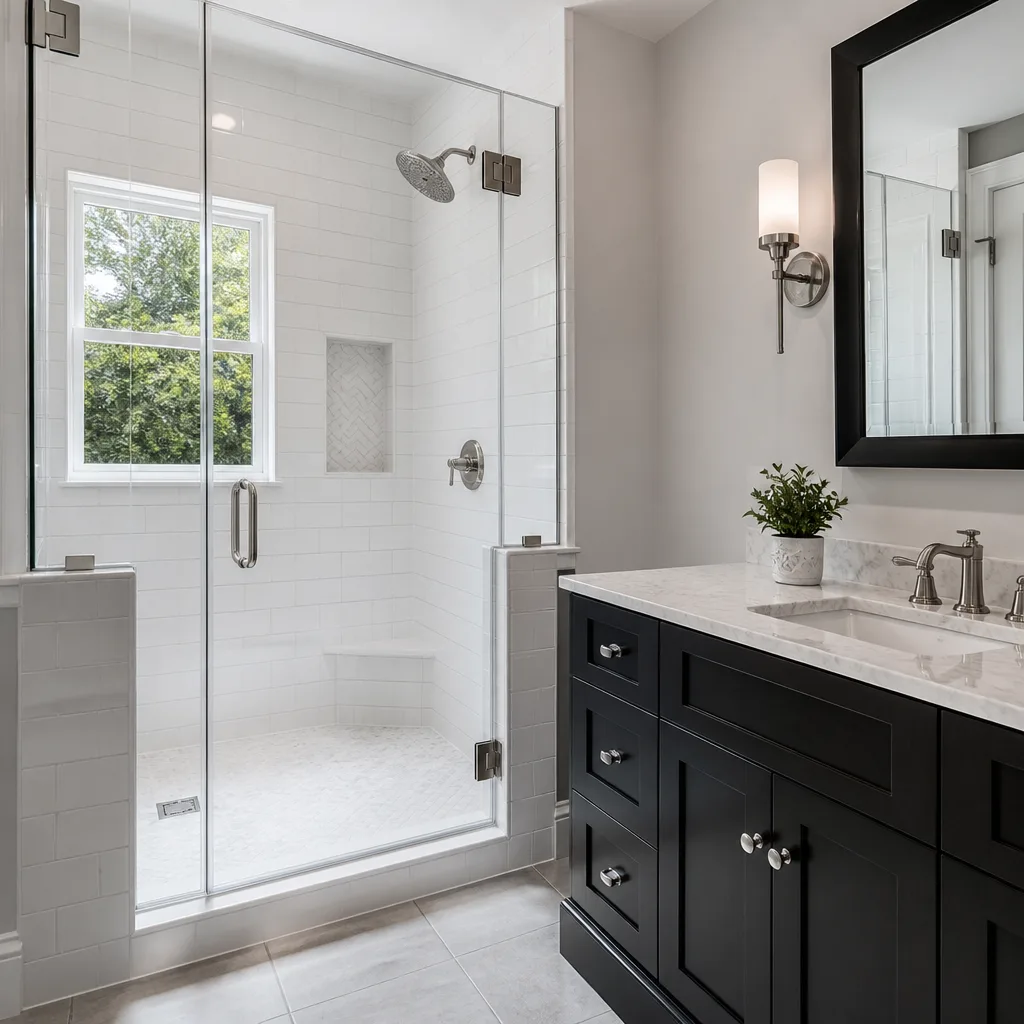
For Bathroom Remodeling in Escondido, this means you can legally set your own tile, install your own vanity, and paint your own walls. You cannot legally move a toilet flange, relocate a shower drain, or install a new exhaust fan on a dedicated circuit without licensed trade contractors. The permit inspector will verify license numbers at rough-in inspection, and unlicensed work fails automatically.
True Cost Comparison: The Math DIY Guides Skip
DIY cost calculators online typically list materials plus a flat tool rental fee and call the difference “savings.” This omits four categories that routinely erase the gap between DIY and professional bids, especially in Escondido’s market where contractor pricing reflects established supplier relationships rather than retail markups.
The Honest DIY Cost Formula
- Materials at retail plus waste: Big-box stores sell to homeowners at shelf price. Contractors buy through distribution at 15-30% below retail for brands like Cambria, KraftMaid, or GAF. Add 10-15% waste for cutting errors on tile, lumber, and flooring. Inexperienced DIYers often hit 25% waste on complex layouts.
- Tool rental and consumables: A wet tile saw rents for $65/day in Escondido, a framing nailer for $45/day, a drywall lift for $40/day. A three-week bathroom project can accumulate $400-600 in rental fees. Blades, bits, sandpaper, and caulk add another $100-200.
- Permit fees and plan review: Escondido’s Building Division charges permit fees based on project valuation. A $15,000 bathroom remodel runs approximately $485 in permit fees plus $150-300 for plan review if structural changes are involved. Owner-builders pay the same fees as contractors.
- Your time at honest value: Calculate hours spent on research, shopping, demolition, execution, cleanup, and correction of mistakes. At $35/hour, a 120-hour bathroom project costs $4,200 in labor you performed yourself. At $50/hour, it is $6,000. This is not theoretical; it is time you did not spend earning, resting, or with family.
- Rework and correction costs: We have been called to Escondido jobs where DIY waterproofing failed within months, requiring full tile removal, substrate replacement, and reinstallation. The correction typically costs 40-60% more than original professional installation because demolition of finished work is labor-intensive.
A realistic comparison for a mid-range Escondido bathroom remodel:
| Cost Category | DIY Owner-Builder | Professional Contractor (Rowan) |
|---|---|---|
| Materials | $4,800 (retail + 15% waste) | $3,600 (trade pricing, 8% waste) |
| Tools / equipment | $550 (rental + consumables) | $0 (owned) |
| Permits and fees | $635 | $635 |
| Your time (120 hrs at $40/hr) | $4,800 | $0 |
| Licensed trade contractors | $2,400 (plumber, electrician) | Included in flat price |
| Project management | $0 (your time) | Included |
| Warranty and callback protection | $0 (self-insured) | 365-Day Done Right Promise |
| Total Comparable Cost | $13,185 | Written flat price before work starts |
The professional bid often lands within 10-15% of the honest DIY total, with the difference buying licensed workmanship, permit compliance, insurance backing, and the 365-Day Done Right Promise. Under the Haven Standard, the written price includes all of the above, with no change order permitted until signed by both parties.
Insurance, Permits, and Resale: The Hidden Liabilities
Homeowner’s insurance policies in California contain standard exclusions for unpermitted work and unlicensed trade performance. The specific language varies by carrier, but the core exclusion reads similarly: damage caused by work performed in violation of building codes or without required permits is not covered. This is not a minor clause. It is a coverage void that activates precisely when the homeowner needs protection most.
Consider a scenario we have encountered in Escondido’s older neighborhoods, where post-war homes in the area near Washington Park still carry original electrical panels. A homeowner replaces their own panel without a permit or licensed electrician. Six months later, an overloaded circuit causes a fire. The insurer investigates, discovers the unpermitted panel upgrade, and denies the claim. The homeowner faces full rebuild costs plus potential subrogation from the mortgage lender.
Permitted work, by contrast, creates a documentation trail that insurers accept. The permit record, inspection sign-offs, and contractor’s Certificate of Insurance all support coverage. Rowan Construction Group provides a documented photo record on every visit as standard, not as an upgrade, giving the homeowner timestamped evidence of work quality and code compliance.
The resale restriction is equally concrete. California Civil Code Section 1103 requires disclosure of owner-builder status within one year of completion. The standard Transfer Disclosure Statement asks directly: “Was the property improved by an owner-builder?” A “yes” answer does not kill a sale, but it shifts buyer leverage. In Escondido’s 2024 market, we have seen buyers request additional inspections, demand contractor verification of owner-builder work, or negotiate $5,000-15,000 reductions to account for perceived risk.
Professional permits transfer cleanly. The work is attributed to a licensed contractor with a bond and insurance history. The buyer’s inspector verifies permit closure online through Escondido’s permit portal. The transaction proceeds without the friction of owner-builder disclosure.
Projects Where Professional Execution Pays for Itself
Some construction tasks carry failure modes that are invisible at completion but catastrophic at first rain season or structural load event. In Escondido’s climate, with winter moisture intrusion and summer thermal expansion cycling, these three project types routinely generate callbacks on DIY work that seemed successful at the time.
Stucco Application and Moisture Barrier Sequencing
Escondido’s combination of winter rainfall and summer heat creates hygrothermal stress on exterior walls. Proper stucco requires two layers of building paper or a fluid-applied weather barrier, properly lapped and sealed at penetrations, before the scratch coat goes on. The paper must be continuous behind all trim, flashings, and door bucks. DIY stucco failures we have repaired in neighborhoods like Rancho Rincon and Lake Hodges typically trace to skipped paper layers, improper lapping that channels water inward, or absence of weep screed at the foundation line. The weep screed, a perforated metal strip at the base of the wall, allows drainage and ventilation; without it, moisture accumulates in the wall cavity and promotes mold growth that remains hidden for years.
Professional stucco crews in Escondido apply these systems daily. The material cost difference between DIY and pro is minimal, but the sequencing knowledge, acquired through hundreds of installations, prevents the $8,000-15,000 remediation that follows a moisture barrier failure.
Tile Waterproofing in Wet Areas
Shower and tub surrounds in Escondido homes must withstand daily wetting and drying. The tile itself is decorative; the waterproofing is structural. A proper system uses a bonded membrane (such as Schluter-Kerdi or Laticrete Hydro Ban) or a hot-mopped pan with pre-slope, liner, and flood testing before tile sets. DIY tile setters often rely on “waterproof” cement board or RedGard-style roll-on coatings applied too thinly. These systems fail at seams, corners, and drain connections.
We have removed DIY shower tile in Escondido homes where the substrate behind was fully rotted, the wall framing compromised, and mold remediation required before reconstruction could begin. The original tile looked fine. The failure was invisible until the adjacent room’s baseboard swelled. Professional tile installation with proper waterproofing typically costs 15-20% more than DIY materials alone, but the warranty and inspection record protect against the $12,000-20,000 full rebuild that follows membrane failure.
Structural Beam Installation
Removing a load-bearing wall to open a kitchen or add a room requires engineering calculation of beam size, bearing points, and connection hardware. The beam must rest on posts or walls that carry the load to the foundation. Temporary supports during installation prevent floor or roof collapse. In Escondido’s hillside areas, like those near Dixon Lake or the Elfin Forest interface, foundation conditions vary and may require additional bearing pads or piers.
DIY beam installation risks are not gradual. A miscalculated beam sags within weeks or fails during the first significant seismic event. California’s seismic codes, updated through the 2022 CBC, specify connection details that resist lateral forces. Licensed structural engineers stamp the calculations, and licensed contractors execute to the stamp. The permit inspector verifies bearing and connection at rough framing. This chain of verification, engineer to contractor to inspector, is what makes the structure insurable and saleable. An owner-builder who self-performs structural work assumes liability for any failure mode, with no professional chain to absorb responsibility.
Permits and Inspections in Escondido: The Process Step-by-Step
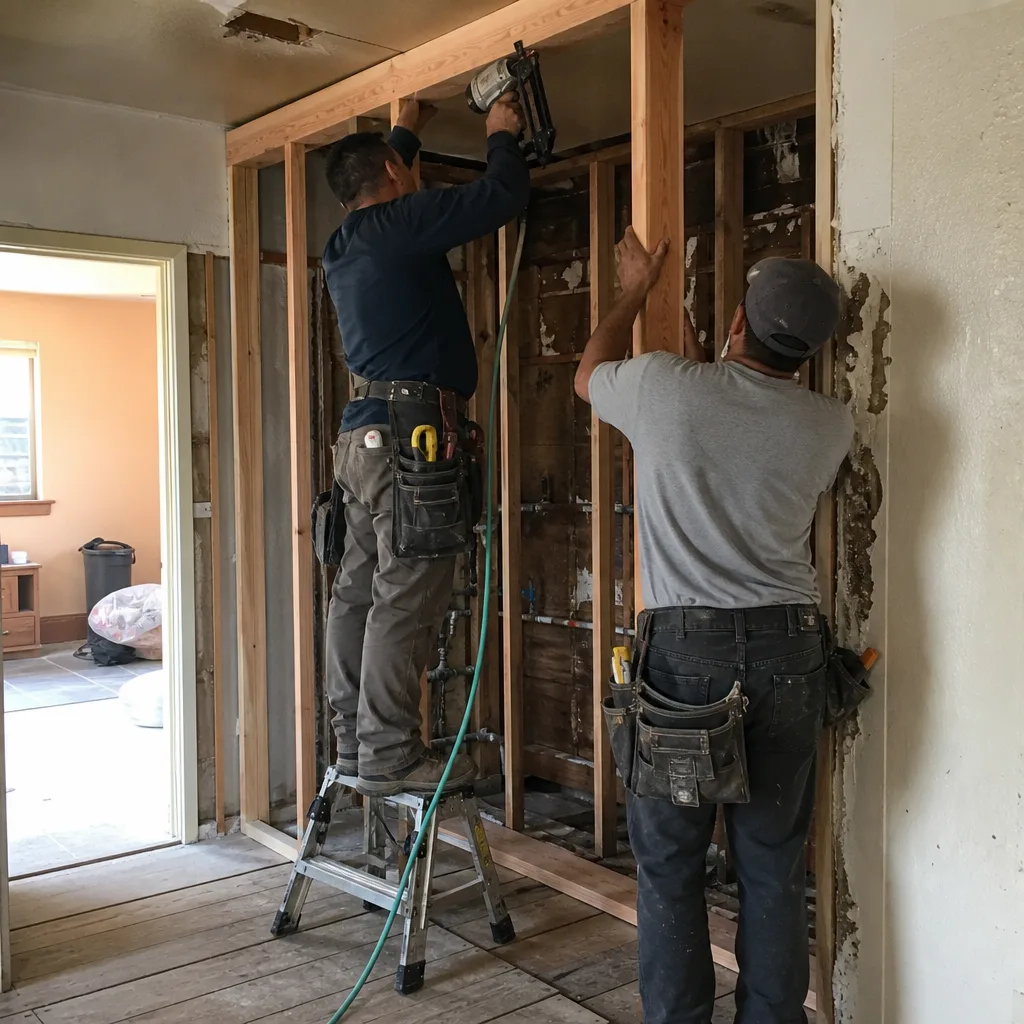
The City of Escondido Building Division processes permits through the San Diego County regional system. Understanding the sequence helps both DIY owner-builders and homeowners evaluating contractor bids.
- Determine permit requirement: Cosmetic work, painting, and floor covering generally do not require permits. Structural, electrical, plumbing, mechanical, and roofing work always does. Escondido’s online permit wizard clarifies requirement by project type.
- Prepare plans: Simple projects use prescriptive plans from the California Residential Code. Complex projects, including room additions and ADUs, require engineered drawings. Plan review fees apply and review timelines vary seasonally; in our experience, Escondido plan review for residential additions runs 10-15 business days in slower months and 4-6 weeks during spring construction season.
- Submit application: Owner-builders submit the CSLB disclosure form with their permit application. The city verifies property ownership and confirms no other owner-builder permits within two years on the same parcel.
- Pay fees and receive permit: Fees are calculated from project valuation. The permit card lists all required inspections with contact numbers.
- Schedule inspections: Escondido requires advance scheduling for most inspections, with same-day or next-day availability for common trades. Inspections must occur in sequence: footing before foundation, rough framing before insulation, rough electrical before cover, and final before occupancy.
- Correction notices and re-inspection: Failed inspections generate a correction notice with specific code references. Re-inspection fees apply after the first failure on some permit types.
- Final sign-off and record: Passed final inspection closes the permit and updates the property record. This record is visible to title companies, insurers, and future buyers.
Professional contractors maintain relationships with inspectors and understand the specific expectations of Escondido’s field staff. This does not mean preferential treatment; it means the work is submitted correctly the first time, avoiding the delay and re-inspection fees that extend DIY timelines.
Common Mistakes to Avoid
- Assuming the owner-builder exemption covers all trades. It does not. Electrical, plumbing, gas, and structural work require licensed subcontractors regardless of your permit status. Hiring unlicensed workers for these trades exposes you to personal liability and voids your permit.
- Skipping permit closure. Some Escondido homeowners complete work, pass rough inspections, but never call for final. An open permit becomes a title defect at sale, requiring retroactive inspection and potential removal of finished surfaces for access.
- Underestimating tool costs for one-time use. A $400 tile saw purchase for a single bathroom project, plus $200 in specialty blades and trowels, exceeds rental costs but still gets treated as “savings” in mental accounting. Track every dollar.
- Ignoring Escondido’s specific climate factors. The inland valley heat and Santa Ana wind exposure affect material selection and installation timing. Exterior painting in August, for example, can fail from rapid surface drying before proper adhesion. Local contractors schedule around these conditions.
- Failing to verify contractor license at hiring. Even when you hire “just the electrical” on an owner-builder project, confirm the CSLB license number, bond status, and insurance certificates. We have reviewed Escondido projects where unlicensed electricians disappeared mid-job, leaving live circuits exposed and the owner-builder liable.
- Neglecting the one-year resale disclosure. If you might sell within twelve months of project completion, the owner-builder status affects buyer perception and negotiation position. Professional permits avoid this entirely.
When to Call a Professional
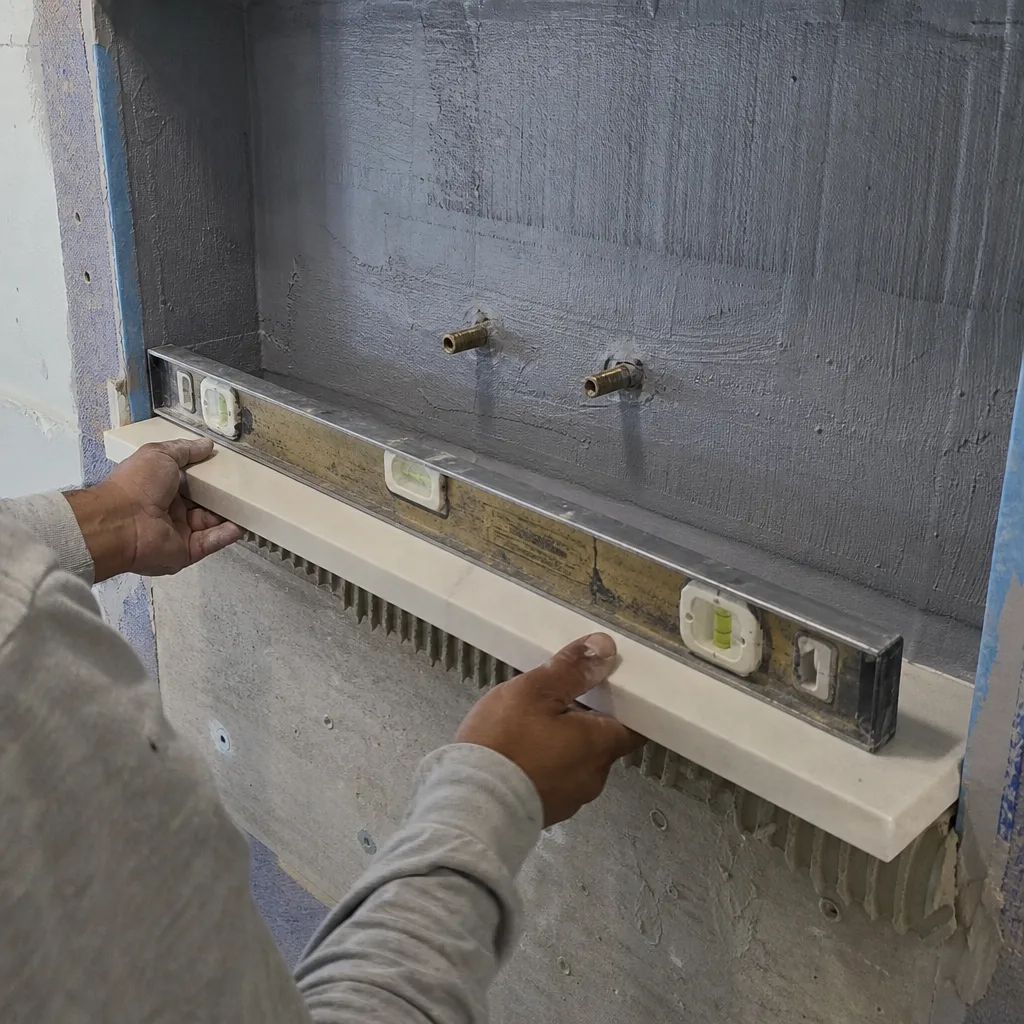
Call a licensed contractor when the project involves regulated trades, structural modification, or any work where failure would damage your home’s weather protection, safety systems, or resale value. In Escondido, this includes roof replacement, electrical service upgrades, load-bearing wall removal, gas appliance relocation, and any project requiring engineered plans.
Rowan Construction Group Escondido offers free estimates on every trade we carry, from Kitchen Remodeling in Escondido to Roofing in Escondido and full Bathroom Remodeling in Escondido. Every estimate is a written, flat price with a written scope and warranty, delivered before any work starts. We also provide a Free Second Opinion on any written estimate from another contractor, reviewed line by line at no charge. Call (858) 683-6538 to schedule your free estimate.
Frequently Asked Questions
A DIY owner-builder kitchen remodel in Escondido typically runs $18,000-28,000 in materials, permits, tools, and licensed trade subcontractors for electrical and plumbing, plus 150-200 hours of your time. A professional contractor bid for the same scope generally ranges $35,000-55,000 depending on finish selections, but includes project management, warranty protection, and permit compliance. The true break-even depends on how you value your time and your tolerance for self-insuring against defects. Call (858) 683-6538 for a written flat-price quote you can compare against your own calculation.
No. California requires a C-39 Roofing Contractor license for any roofing project exceeding 100 square feet or involving more than one layer of roofing material. This applies regardless of owner-builder status. DIY roofing also voids most manufacturer warranties, including GAF and Owens Corning systems, which require certified contractor installation. The steep pitches and Santa Ana wind exposure common in Escondido’s hillside neighborhoods add significant injury risk to the legal prohibition.
Only if the work was permitted and performed by licensed contractors. Standard California homeowner’s policies exclude damage from unpermitted plumbing work or unlicensed trade performance. If you self-performed the plumbing and the leak traces to that work, your insurer will likely deny the claim and may cancel the policy. Documented permits and contractor certificates of insurance are what insurers require to honor coverage.
You must disclose the owner-builder status on the Transfer Disclosure Statement. Buyers and their agents will check Escondido’s permit portal for permit history and inspection status. If permits are open or inspections incomplete, the buyer may demand completion, withhold funds in escrow, or negotiate a price reduction. Professional contractor work, properly closed, transfers without this friction.
Same-size window replacement in existing openings generally does not require a permit in Escondido. Enlarging openings, creating new openings, or altering structural headers always does. If your home was built before 1978, replacement windows must also comply with EPA lead-safe work practices if disturbing painted surfaces. Professional window contractors like those using ES Windows or ECO Window Systems products carry EPA RRP certification and handle this compliance as part of installation.
Search the CSLB online database at cslb.ca.gov using the contractor’s license number. Verify the license is active, the bond is current, and workers’ compensation insurance is on file if the contractor employs workers. For Escondido projects, also confirm the contractor has pulled permits in the city before and understands local inspection expectations. Rowan Construction Group’s license number appears on every proposal, and we provide certificates of insurance on request.
The Bottom Line
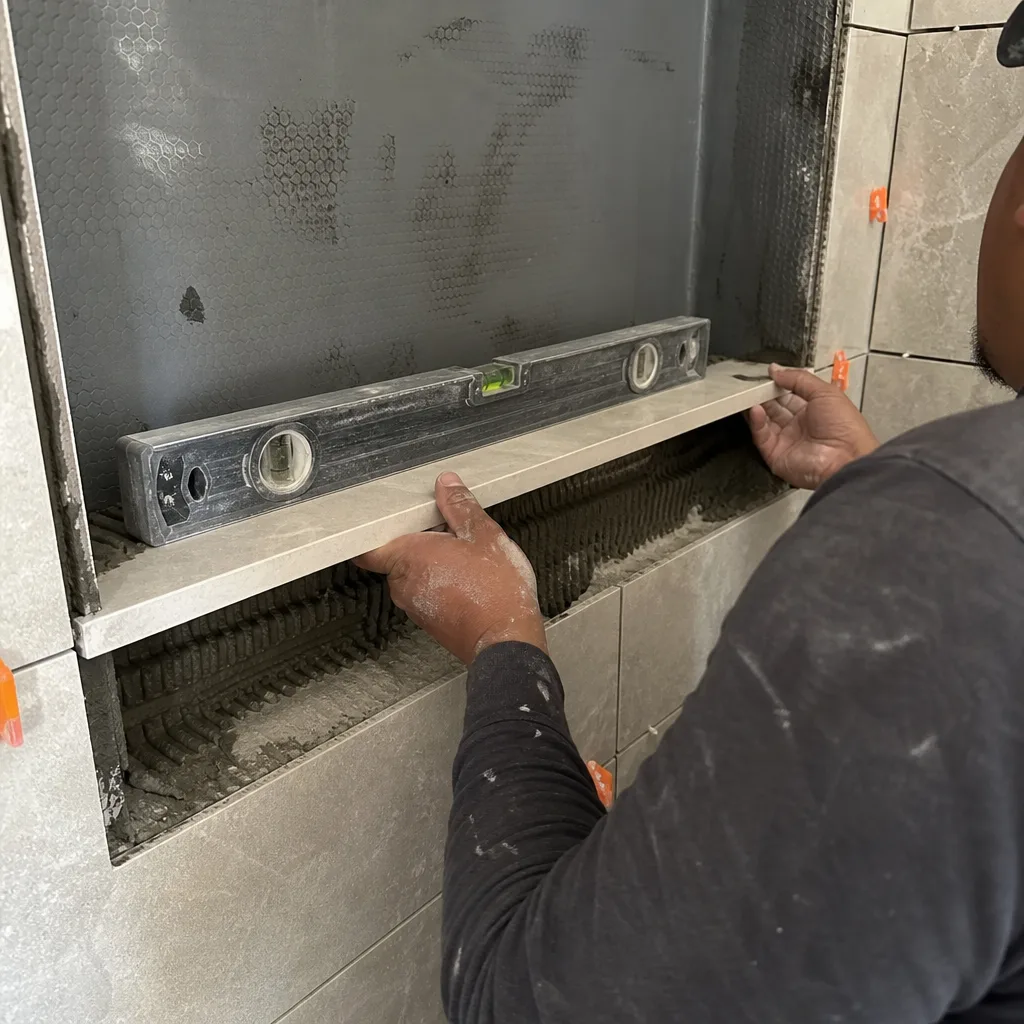
The DIY versus professional decision in Escondido is a legal and financial calculation, not a test of personal capability. California law permits owner-builders to perform cosmetic and non-structural work with proper permits and disclosures, but requires licensed contractors for electrical, plumbing, gas, and structural trades regardless of skill. The true DIY cost includes materials at retail, tool rental, permit fees, your time at honest value, and the self-insured risk of rework. Professional contractors carry insurance, pull permits that transfer cleanly at resale, and warranty their work. For projects where failure modes are hidden and consequences severe, the professional premium buys documented compliance and transferable protection. Get the numbers in writing before deciding.
Written by Grant Rowan, Owner at Rowan Construction Group Escondido, serving Escondido since 2007.