
Last updated September 25, 2026
Free written scope consultation - allowances, timeline, and change-order rules on paper before a single trade is scheduled






 Before
 After
After Before
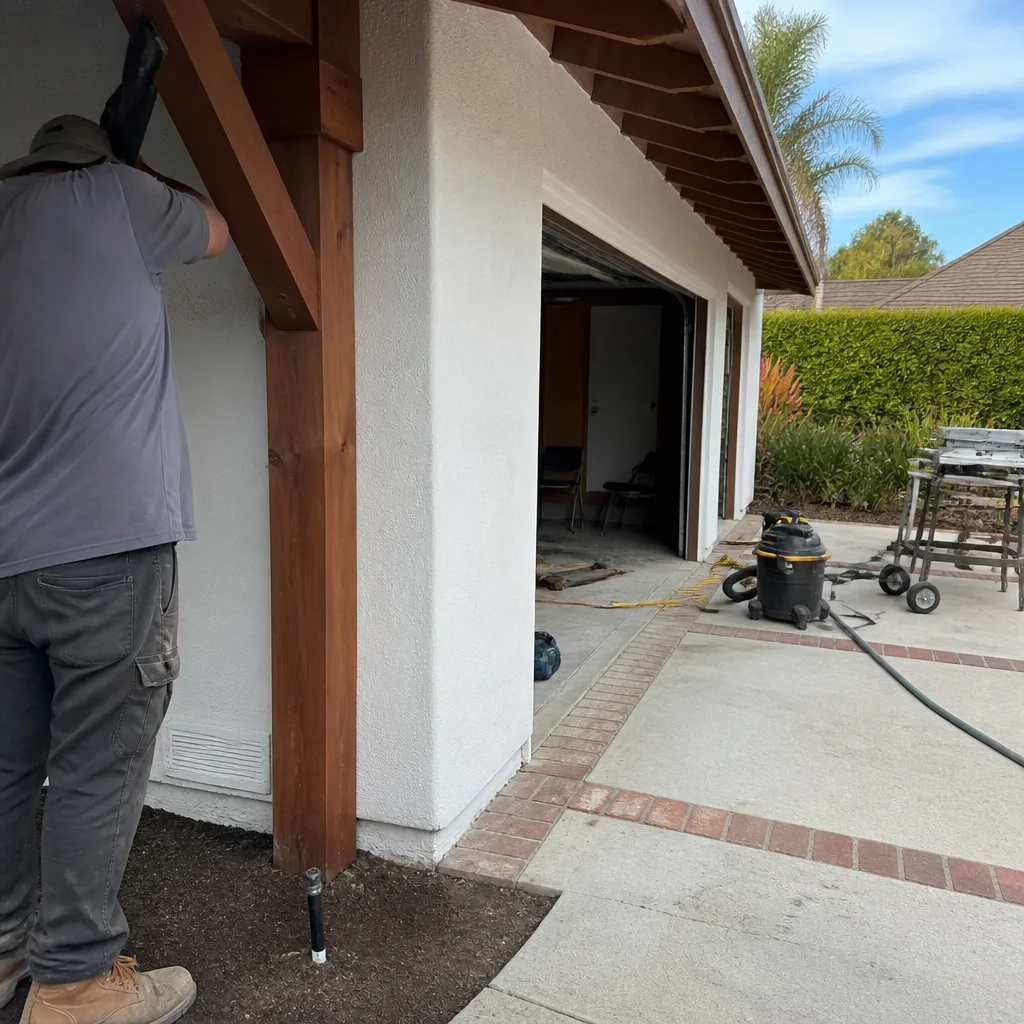 After
After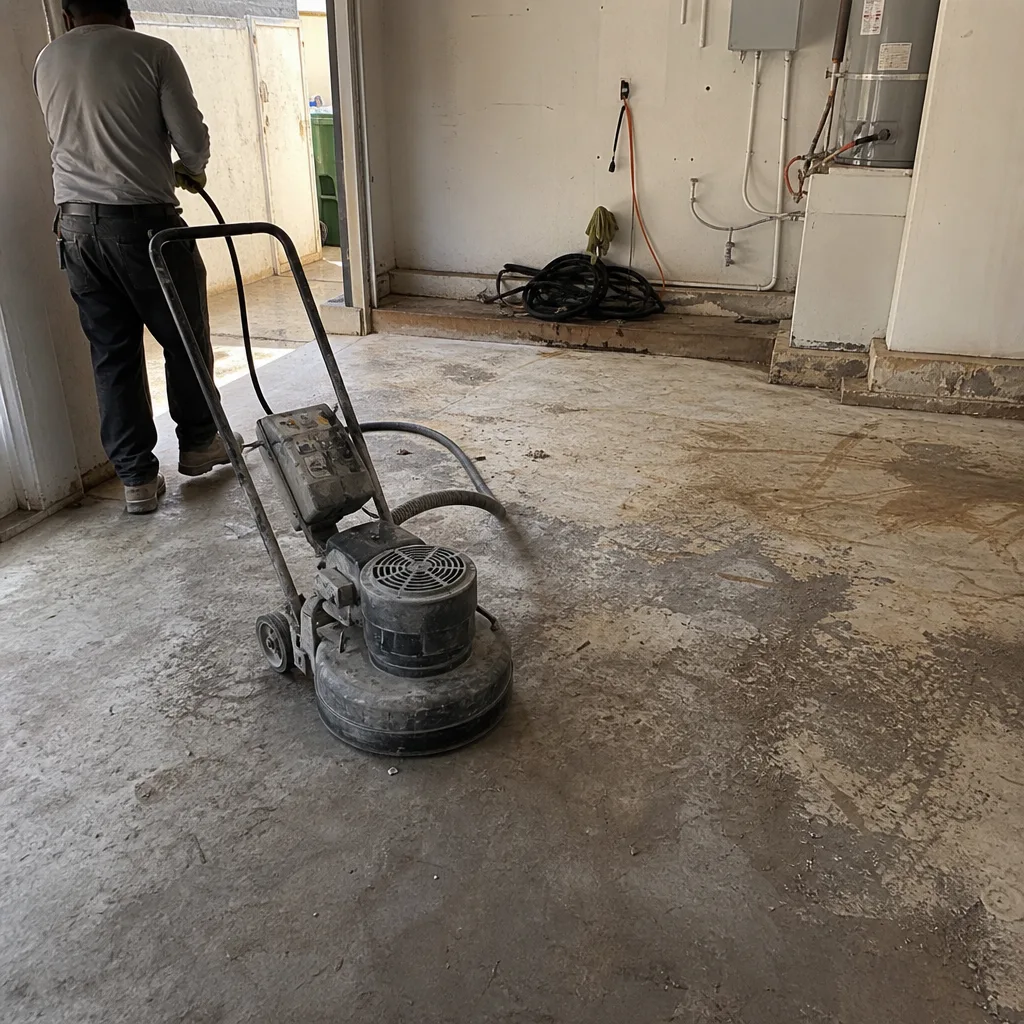 Before
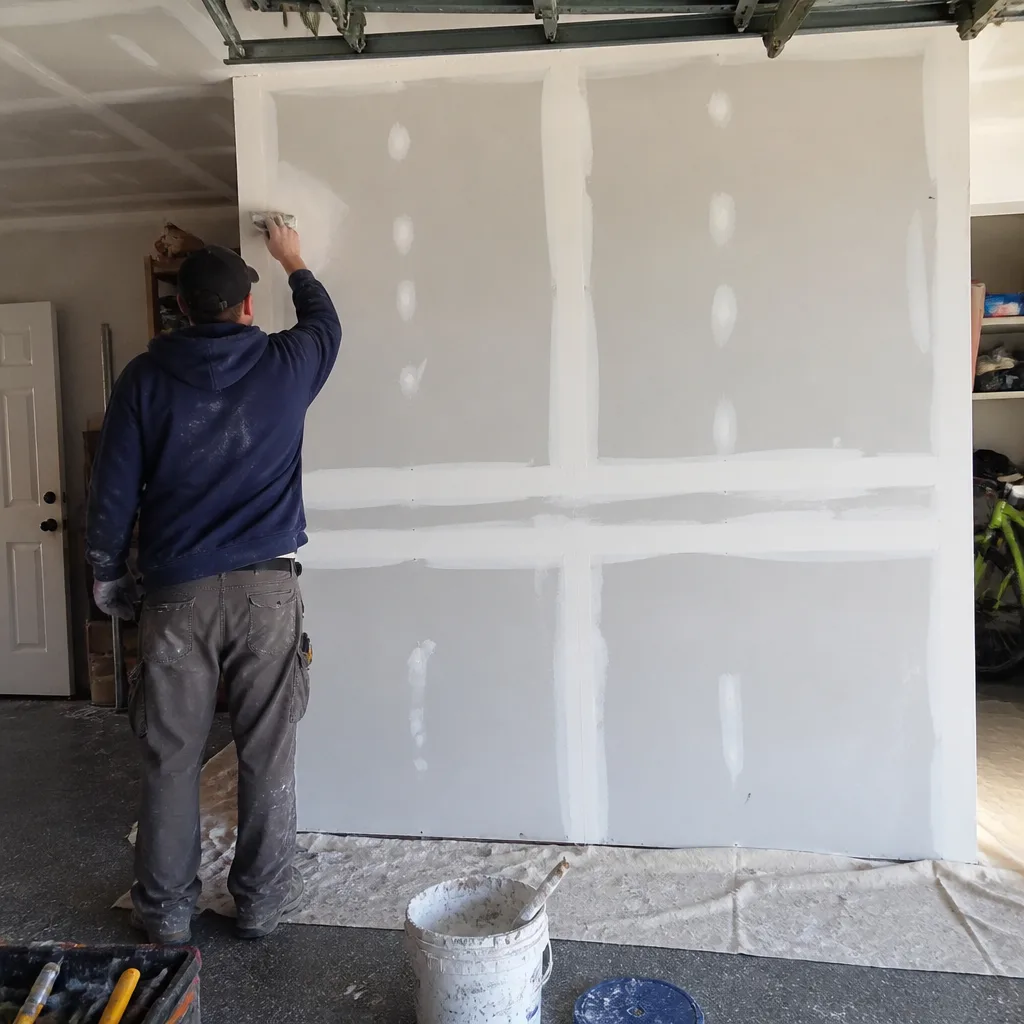 After
AfterConstruction Warning Signs: A Escondido Homeowner’s Reference Guide
Here’s the counterintuitive truth: the most expensive construction mistakes in Escondido don’t reveal themselves with a sagging beam or a leaking roof. They hide in a bid document that omits subcontractor names, lists every material as an “allowance” without dollar amounts, and asks for 30% down before permits are even filed. California Business and Professions Code §7159 requires specific disclosures in every home improvement contract over $500, and a contractor who violates those requirements has already shown you how they operate. In this guide, you’ll learn to read construction documents the way a contractor reads plans: methodically, looking for what’s missing, so you can spot trouble before a tool touches your property. For how to hire a construction contractor in Escondido: a step-by-step guide, see our companion resource.
Quick Answer
The most critical construction warning signs appear in writing before work begins: bids without fixed material prices, contracts missing required CSLB disclosures, payment schedules front-loaded before inspection milestones, and permits not verifiable on Escondido Development Services’ public portal. A legitimate Escondido contractor provides written line-item pricing, pulls permits in the homeowner’s name, and ties progress payments to passed inspections.
Table of Contents
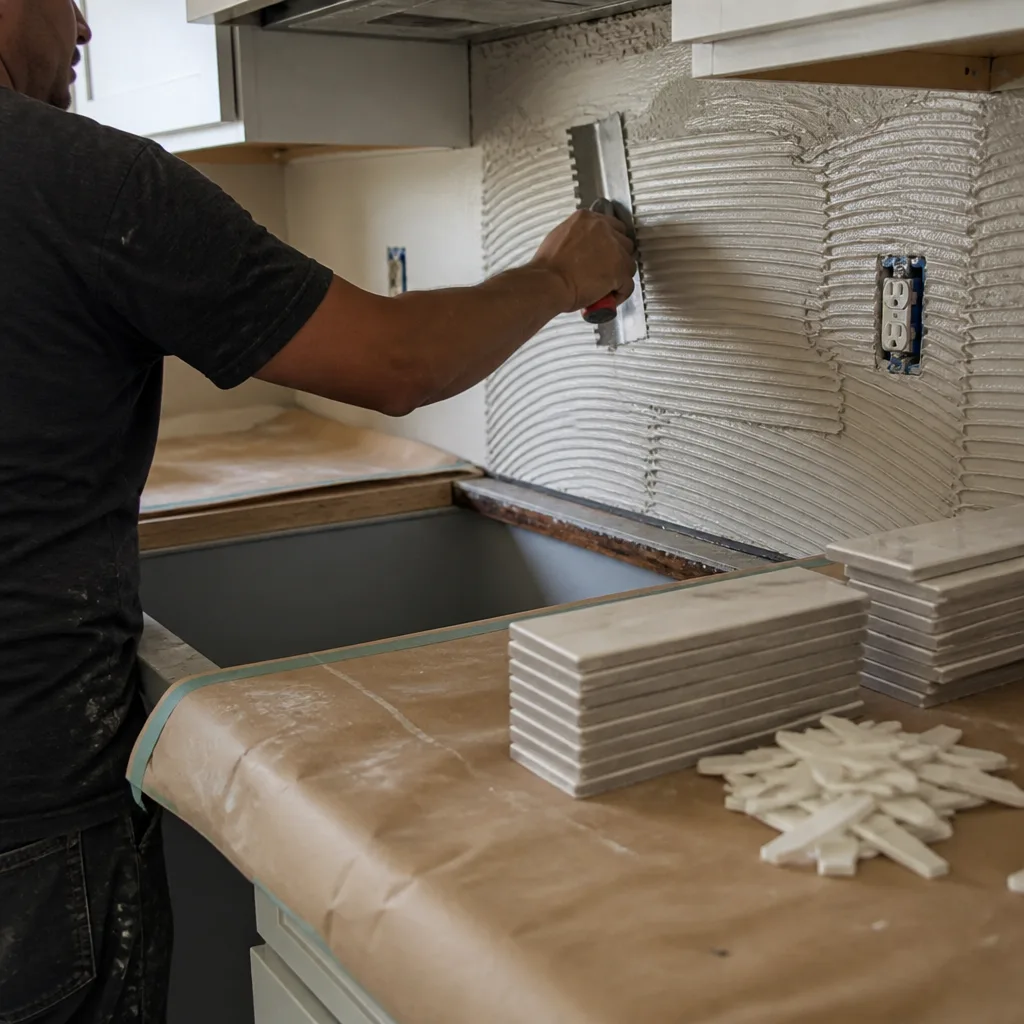
- Contract Red Flags: Reading B&P Code §7159 Violations
- Payment Schedule Red Flags: Front-Loaded Requests and Cash Demands
- How to Verify Permits on Escondido Development Services’ Portal
- On-Site Warning Signs During Active Construction
- Communication Breakdowns That Predict Project Failure
- Subcontractor and Material Red Flags
- Documentation Gaps: Photo Records, Lien Releases, and Change Orders
- Escondido-Specific Risks: Climate, Code, and Market Conditions
BeforeAfterContract Red Flags: Reading B&P Code §7159 Violations
California law does not trust contractors to write fair contracts voluntarily. B&P Code §7159 mandates specific contents for every home improvement contract over $500, and a contract missing these elements is not merely sloppy - it is legally defective and unenforceable against the homeowner in key respects.
Here is what §7159 requires, and what its absence signals:
- The contractor’s name, address, and CSLB license number. Missing? The contract may be voidable, and you may have no recourse against an unlicensed operator. Verify the license at cslb.ca.gov before signing anything.
- A description of work to be done and materials to be used, with sufficient detail for identification. Vague phrases like “update kitchen” or “repair roof” without specification of cabinet line, shingle brand, or scope boundaries allow unlimited substitution of cheaper materials and unlimited expansion of work.
- The total contract price, including all financing charges. An “estimate” that states “subject to change” or “plus materials at cost plus 20%” is not a fixed price. It is an open-ended authorization.
- The approximate start and completion dates. Absent dates, a contractor can delay indefinitely without breach.
- A notice of the three-day right to cancel. Missing this notice extends your cancellation right indefinitely and exposes the contractor to penalties.
- A notice that the contractor must be licensed. Omitting this suggests the contractor knows they are operating outside license requirements.
- The schedule of payments, with specific milestones. A contract requesting 50% down, 40% at “midpoint,” and 10% at completion - without tying payments to verifiable progress - is a cash-flow scheme, not a construction plan.
In Escondido’s competitive renovation market, we’ve reviewed competitor bids that violated three or more of these requirements simultaneously. One bid for a kitchen remodel in the Felicita area listed every material as “allowance - TBD” with no dollar figure attached. See our kitchen remodeling maintenance checklist for Escondido homeowners for what should be specified upfront. Under Clause 1 of the Haven Standard, a written price before any work starts is non-negotiable; that bid failed at the most basic threshold. The homeowner who signs such a document has agreed to pay whatever the contractor later claims, with no contractual basis to dispute it.
What to do when you spot these omissions: demand a revised contract with all §7159 elements present. If the contractor refuses, file a complaint with the CSLB and walk away. A contractor who cannot produce a compliant contract is unlikely to produce compliant work.
Payment Schedule Red Flags: Front-Loaded Requests and Cash Demands
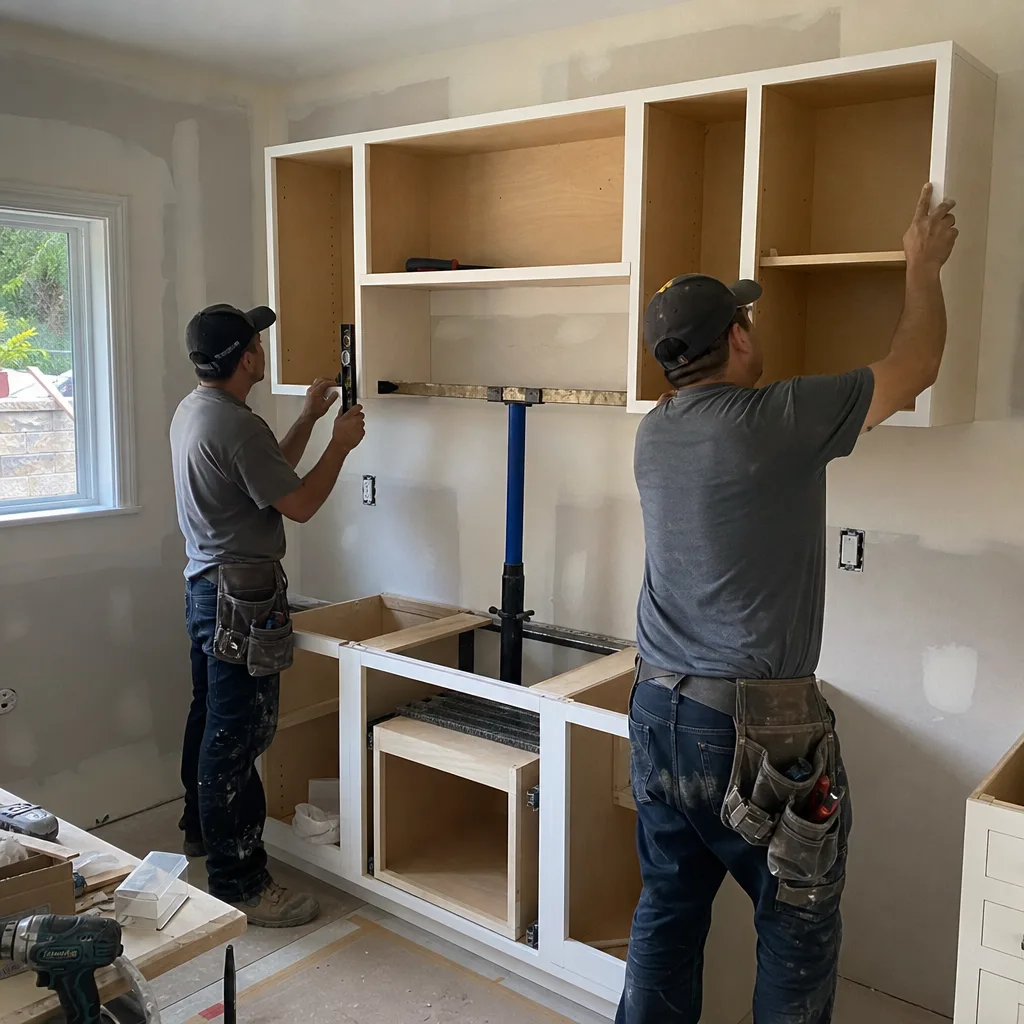
California limits down payments on home improvement contracts to the lesser of $1,000 or 10% of the contract price (B&P Code §7159.5). A contractor requesting more is breaking the law. More importantly, they are revealing their financial condition: they need your money to pay for last month’s job, not to buy your materials.
Here is how legitimate payment schedules work, and how predatory ones diverge:
| Legitimate Structure | Red Flag Structure |
|---|---|
| 10% down at contract signing | 25-50% down “to secure materials” |
| Progress payment tied to passed inspection (foundation, framing, final) | Progress payment tied to vague “phases” with no inspection requirement |
| Final payment due only after final inspection and lien release delivery | Final payment demanded before CSLB-mandated final inspection window closes |
| Payment by check or traceable method, with receipt | Cash-only demands, or checks made to individual rather than company |
| Lien release from contractor and all subcontractors provided with each payment | Liens releases promised “at the end” or “upon request” |
The cash-only demand is particularly dangerous in Escondido’s cash-heavy renovation economy. A contractor who will not accept traceable payment is likely avoiding sales tax, workers’ compensation premiums, or both. If a worker is injured on your property and the contractor lacks coverage, your homeowner’s policy becomes the primary target. At Rowan Construction Group Escondido, every payment is documented, every lien release is delivered contemporaneously, and no cash changes hands without a paper trail - because Clause 3 of the Haven Standard requires it.
The front-loaded payment schedule creates a fundamental misalignment of incentives. Once a contractor holds 50% of your money for a job barely begun, their incentive to finish promptly disappears. Their incentive to cut corners to preserve margin increases. The homeowner with most of their capital already deployed has limited leverage to enforce quality or completion.
How to Verify Permits on Escondido Development Services’ Portal
A contractor who claims permits are “in process” or “being pulled this week” is making a verifiable claim. Escondido Development Services maintains a public permit portal where any homeowner can confirm whether permits exist, who holds them, and what inspections have passed.
Here is the step-by-step verification process:
- Navigate to the Escondido Development Services section of the city website and locate the public permit search function.
- Search by your property address. Active permits will display with the permit number, issue date, and contractor of record.
- Verify the contractor of record matches your contractor’s license number. A permit held in a subcontractor’s name or a different company’s name indicates your contractor is operating without proper licensing for that trade.
- Check the inspection status. Each required inspection (foundation, framing, plumbing, electrical, final) should show scheduled, passed, or correction-required status. A permit with no inspection activity weeks after work began suggests work is proceeding without inspection - a code violation that can void your homeowner’s insurance and create resale disclosure problems.
- Confirm the permit type matches the work described. A “repair” permit does not cover full replacement. An “addition” permit does not cover structural modification of existing space.
In Escondido’s hillside neighborhoods - particularly areas near Daley Ranch with steeper grades - grading and retaining wall permits carry additional geotechnical inspection requirements. A contractor who begins excavation without a visible permit posting and without geotechnical sign-off is risking slope stability and your liability exposure.
We have encountered situations in the Harmony Grove area where contractors told homeowners permits were “handled” while actually performing unpermitted work. The homeowner discovered the omission only when selling the property and facing mandatory disclosure of unpermitted improvements. Verification takes five minutes; remediation takes months and thousands of dollars.
On-Site Warning Signs During Active Construction
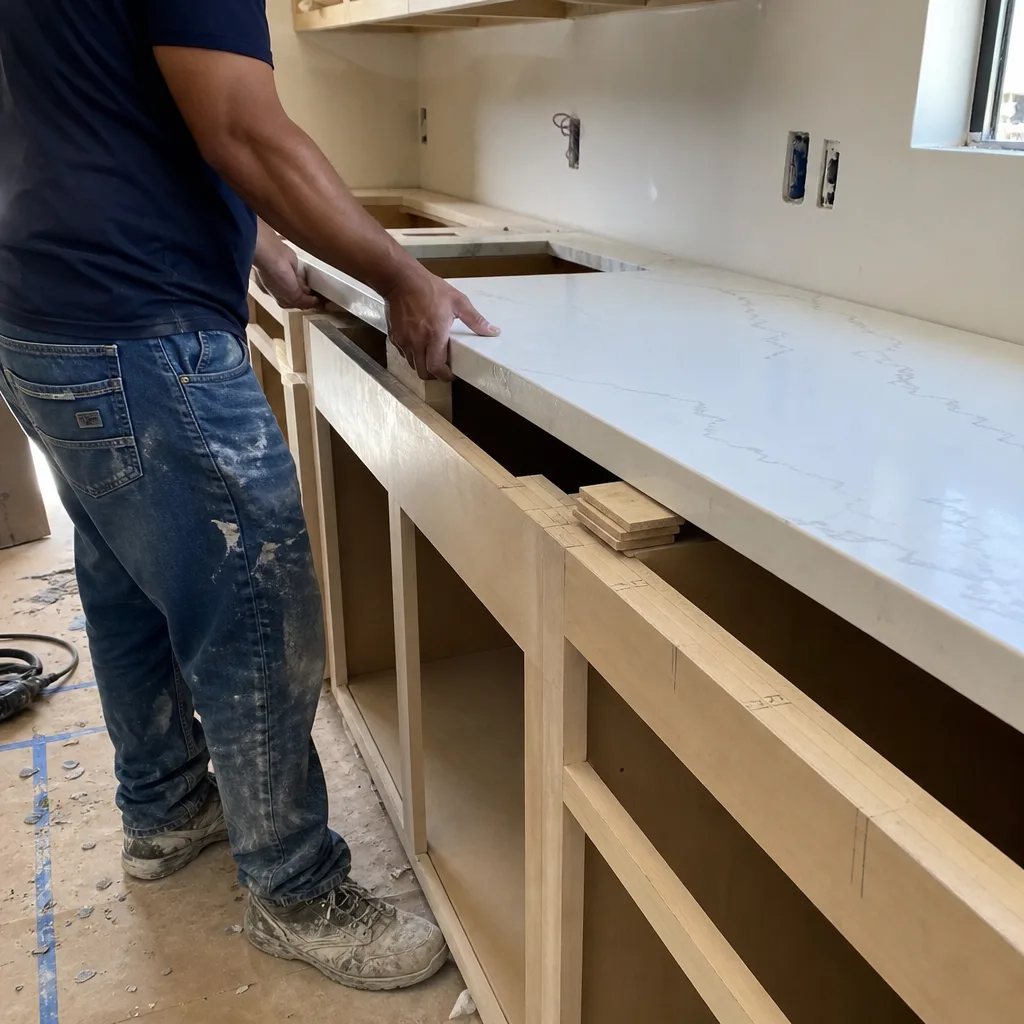
Once work begins, new warning signs emerge. Some indicate sloppy management; others indicate active fraud or dangerous conditions. Here is what to watch for during site visits:
- No permit posting. California requires permits to be posted visibly at the job site. Absence suggests no permit exists, or the contractor is concealing the permit holder’s identity.
- Materials stored without weather protection. In Escondido’s Mediterranean climate with occasional heavy winter rains, unprotected lumber absorbs moisture and warps. Cabinets left in open garages develop finish damage. A contractor who does not protect materials does not value your investment.
- Subcontractors who do not know the general contractor’s name. This indicates illegal double-breasting (a licensed contractor selling the job to an unlicensed operator) or payment failure upstream. Ask the worker directly: “Who hired you, and who pays you?” The answer should be immediate and match your contractor.
- No dumpster or debris accumulation without containment. Escondido municipal code requires construction debris control. Violations generate fines to the property owner, not the contractor.
- Workers without fall protection on roofs over 6 feet. This is an OSHA violation and a liability exposure. It also indicates a contractor who cuts corners on safety, likely cutting corners on your job.
- Adjacent structures damaged without acknowledgment. A cracked driveway, damaged fence, or sprinkler line break that goes unreported suggests the contractor intends to deny responsibility.
- Work proceeding in a different sequence than specified. Drywall before plumbing inspection means inspection was skipped or failed. Paint before final electrical means no final electrical inspection occurred.
In our experience across 4,000-plus projects, the most telling on-site indicator is the condition of the work area at day’s end. A crew that leaves tools scattered, debris unsecured, and materials exposed is a crew without supervision. A crew that leaves a clean, organized site - with the day’s work photographed and documented - is a crew with systems. Our documented photo record on every visit, included as standard not as an upgrade, exists precisely because we have seen what the absence of documentation costs homeowners in disputed claims.
Communication Breakdowns That Predict Project Failure
Poor communication is not a personality conflict. It is a project management failure with predictable financial consequences. These specific patterns precede cost overruns and litigation:
Verbal-only approvals for changes. Every change to scope, materials, or sequence must be documented in writing before work proceeds. A contractor who says “we’ll sort it out at the end” or “I remember what we agreed” is creating a dispute that will cost you 20-40% of the original contract price. Under the Haven Standard, no work proceeds on a change until the change order is signed. This administrative discipline, acquired through Haven’s oversight, has kept our projects within a few percent of the agreed price since 2007.
No written response to written requests. When you email or text a question about scheduling, materials, or concerns, the response should be in writing and should address your specific points. Evasive responses - “don’t worry about it” or “that’s standard” without specifics - indicate either ignorance or intentional obscurity.
Failure to provide schedules with milestones. A contractor who cannot tell you when framing inspection is scheduled, when cabinets will arrive, or when the final walkthrough will occur is not managing your project. They are reacting to crises. In Escondido’s market with supply chain variability for materials like Kitchen Remodeling in Escondido components, proactive scheduling with buffer periods separates professionals from pretenders.
Multiple points of contact with conflicting information. One day the “project manager” says one thing; the next day the owner says another. This indicates no internal communication system exists. Your project exists in no one’s unified view.
Delay without documentation of cause. Weather delays, permit delays, and material backorders happen. They should be explained with specific evidence: a permit portal screenshot showing inspection rescheduling, a manufacturer email showing revised delivery date. Unexplained delays with vague excuses (“supply chain issues” without specifics) often mask the contractor’s financial inability to proceed or their prioritization of another job.
Subcontractor and Material Red Flags
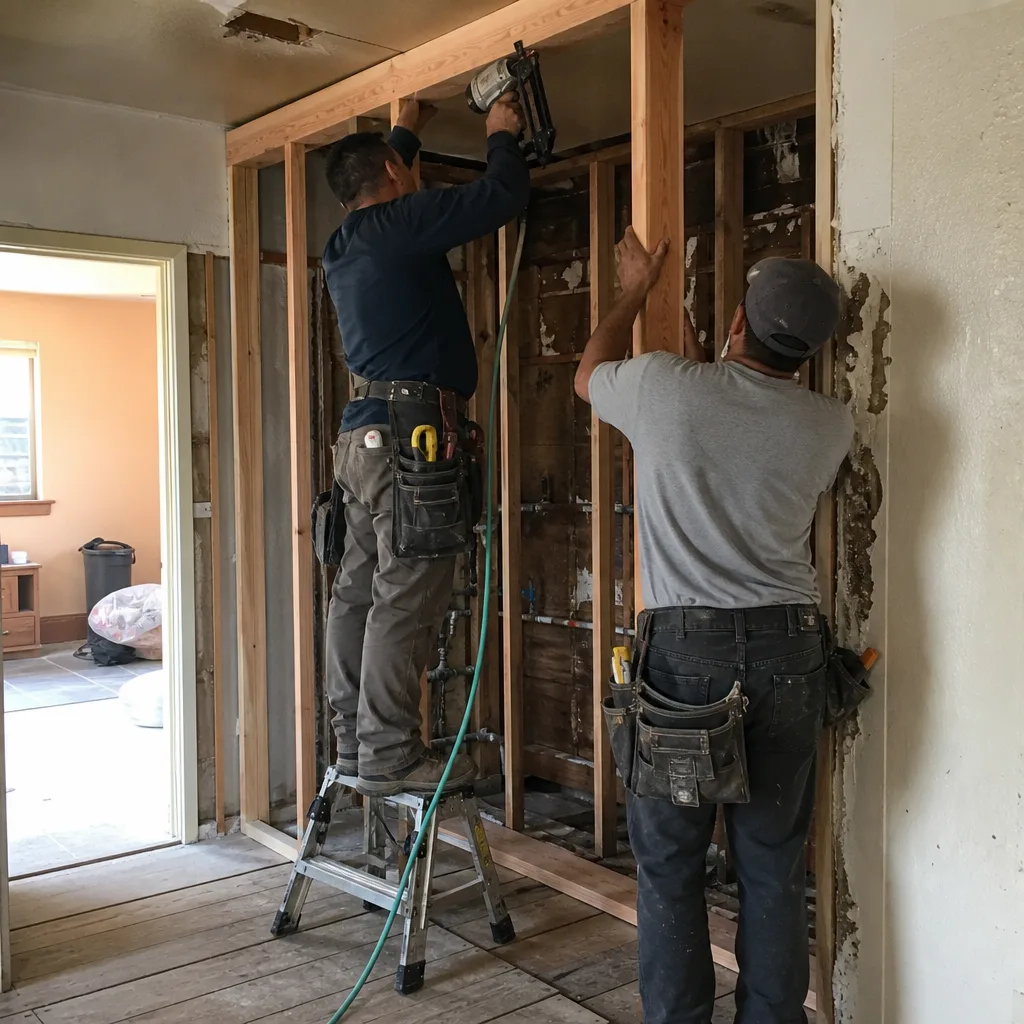
The subcontractor relationship reveals whether your contractor is a construction manager with vetted relationships or a broker assembling whoever answers the phone. Here is how to distinguish them:
| Professional Practice | Red Flag Practice |
|---|---|
| Subcontractor names and license numbers listed in bid | No subcontractor identification; “we handle everything” |
| Specific material brands and model numbers specified (e.g., “KraftMaid Vantage cabinet, Dover door, Painted Silk finish”) | Generic descriptions (“white cabinets,” “granite countertop”) or “allowance - TBD” |
| Material delivery receipts available for owner review | No documentation of what was actually installed |
| Substitution policy defined in contract (equal or better, with owner approval) | Arbitrary substitution without notice or price adjustment |
| Warranty from manufacturer plus contractor workmanship warranty | Only “our warranty” with no manufacturer backing |
Escondido’s inland climate, with summer temperatures exceeding 95°F and winter nights below 40°F, places specific demands on materials. Roofing materials must handle thermal cycling without premature degradation - we specify GAF or Owens Corning systems with appropriate underlayment for this climate. Window and door installations must account for expansion and contraction; Roofing in Escondido projects in particular require attention to valley flashing and ventilation design that less experienced contractors overlook.
A contractor who cannot name the specific shingle line, the window U-factor, or the cabinet box construction method is a contractor who will accept whatever the distributor pushes that week. Our sourcing across fifty-plus vetted brands - from Cambria and Caesarstone countertops to Kohler and Toto fixtures to Belgard and Techo-Bloc pavers - exists so the written quote contains honest numbers for specified materials, not inflated placeholders for whatever gets installed.
Documentation Gaps: Photo Records, Lien Releases, and Change Orders
Documentation is not bureaucracy. It is the evidence that protects your investment when disputes arise. These are the non-negotiable documents:
Photo record of condition before work begins. Every project should start with dated photographs of existing conditions: the undamaged driveway, the uncracked tile, the functional electrical panel. Without this baseline, a contractor can claim pre-existing damage. Our standard deliverable includes this photo record, provided to the homeowner before demolition begins.
Signed change orders before changed work proceeds. This is the single most important financial control. A change order must specify: the change in scope, the change in price, the effect on schedule, and signatures of both parties. Verbal agreements for changes are unenforceable and constitute the majority of construction litigation. The Haven Standard’s discipline - no work proceeds on a change until the change order is signed - has eliminated this dispute category from our projects entirely.
Lien releases with every payment. California law provides mechanics lien rights to contractors, subcontractors, and material suppliers. A payment without a conditional lien release from each party who could file a lien leaves you exposed to double payment. The release must be: conditional (upon clearance of payment), from the specific entity that performed work, and dated contemporaneously with payment. A “blanket release” or promise to provide releases “at the end” is worthless.
Inspection sign-off documentation. Each passed inspection generates a signed card or electronic record. Request copies. A contractor who cannot produce them either skipped inspection or failed and concealed the failure.
Final documentation package. Upon completion, you should receive: final lien releases from all parties, manufacturer warranties, contractor workmanship warranty (ours is the 365-Day Done Right Promise, printed on every page with terms reference, not an asterisk), maintenance instructions, and the final permit sign-off. A contractor who disappears after final payment without this package has left you with unverifiable work and no recourse.
Escondido-Specific Risks: Climate, Code, and Market Conditions
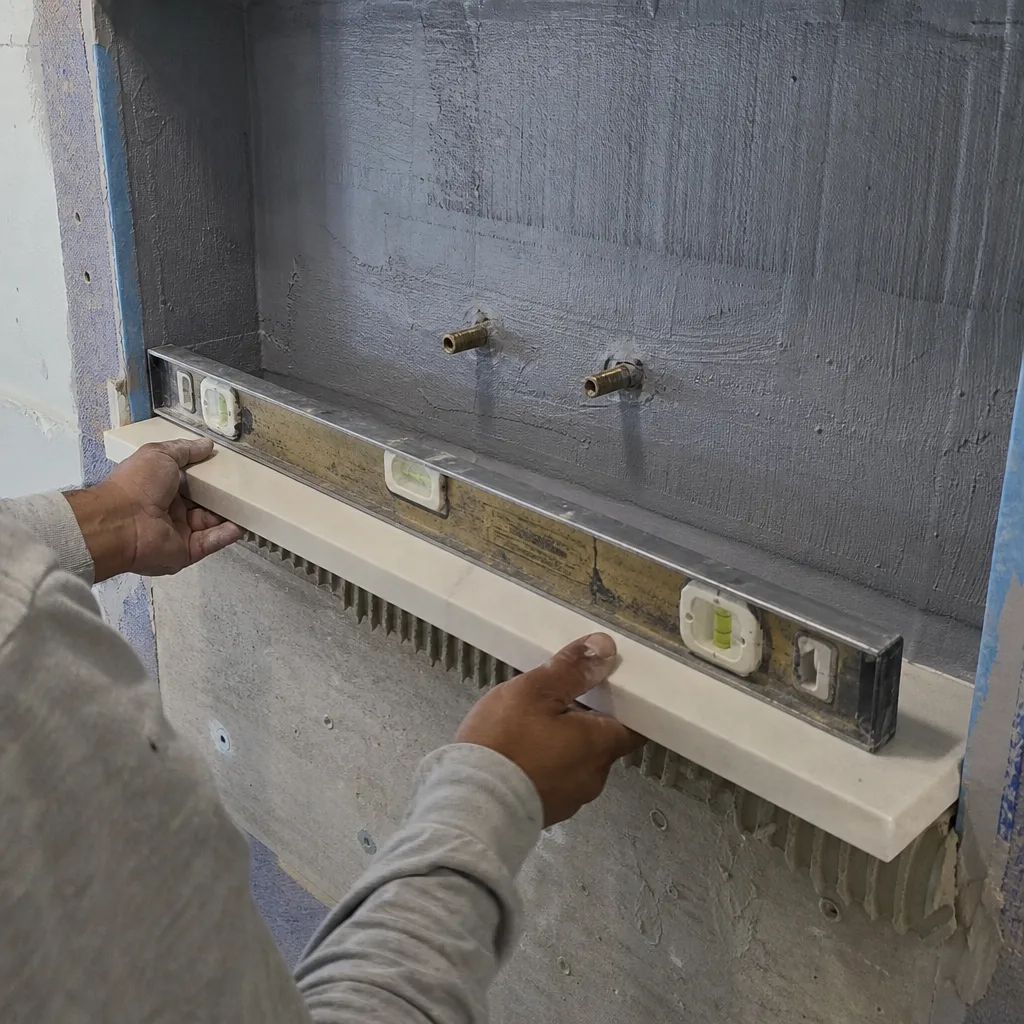
Escondido’s construction environment presents risks that generic warning sign guides miss. Understanding these local factors sharpens your evaluation of contractor competence:
Wildfire-urban interface zones. Properties near Daley Ranch, Elfin Forest, or the eastern hills fall under enhanced fire-resistant construction requirements. A contractor bidding standard materials for these locations either does not know the code or intends to substitute compliant materials after permit approval. Verify WUI compliance in the permit application before work begins.
Septic and well systems in outlying areas. Homes in the more rural Escondido periphery may rely on septic systems and private wells. Bathroom Remodeling in Escondido projects in these areas require coordination with County of San Diego environmental health for septic capacity verification, not merely city permitting. A contractor who treats these as standard city sewer connections will create expensive remediation.
Adobe soil and foundation considerations. Escondido’s clay-rich soils expand and contract with moisture variation. Foundation repairs and additions require geotechnical evaluation that contractors from coastal markets may not anticipate. A bid that does not include soils testing for significant additions or ADU construction is incomplete and will generate change orders.
Water pressure and supply variability. Older Escondido neighborhoods, particularly those with original 1960s-1970s infrastructure, may have inadequate water pressure for modern fixture demands. A Kitchen Remodeling in Escondido project specifying multiple-body-spray showers or commercial-style faucets without pressure verification will underperform. The competent contractor tests pressure before specifying fixtures.
Market pressure from San Diego spillover. Escondido’s relatively lower housing costs attract contractors priced out of coastal markets, including operators with limited local experience or disciplinary histories in other counties. CSLB license verification includes jurisdiction history - check whether disciplinary actions occurred in other California regions.
Common Mistakes to Avoid
- Accepting a “verbal ballpark” as sufficient for decision-making. In Escondido’s competitive market, some homeowners accept informal estimates to move quickly. A verbal number has no contractual weight and typically increases 30-50% by project end. Demand the written price before any work starts - always.
- Verifying only the contractor’s license, not subcontractors’. An unlicensed subcontractor can lien your property even if your general contractor is properly licensed. Request and verify all subcontractor license numbers through CSLB.
- Paying for “materials only” before delivery verification. A common advance-fee fraud involves collecting for materials that never arrive. Pay for materials only upon delivery to your property, with delivery receipt.
- Ignoring the three-day cancellation right. California’s cooling-off period exists precisely because pressure tactics work. A contractor who rushes signing or discourages review is creating conditions for regret.
- Failing to match permit type to work scope. A “repair” permit for a full replacement, or an owner-builder permit obtained by the contractor in your name without disclosure, creates liability and insurance problems. Verify permit scope matches the actual project.
- Neglecting to check Escondido’s specific requirements. The city’s Development Services has local amendments to California Building Code, particularly regarding hillside development, water conservation fixtures, and solar readiness. A contractor operating on Los Angeles or San Diego city assumptions will produce non-compliant work.
- Assuming insurance verification is optional. Request certificates of insurance for general liability and workers’ compensation, naming you as additional insured during the project period. Verify with the insurance carrier, not merely accept a paper copy.
When to Call a Professional
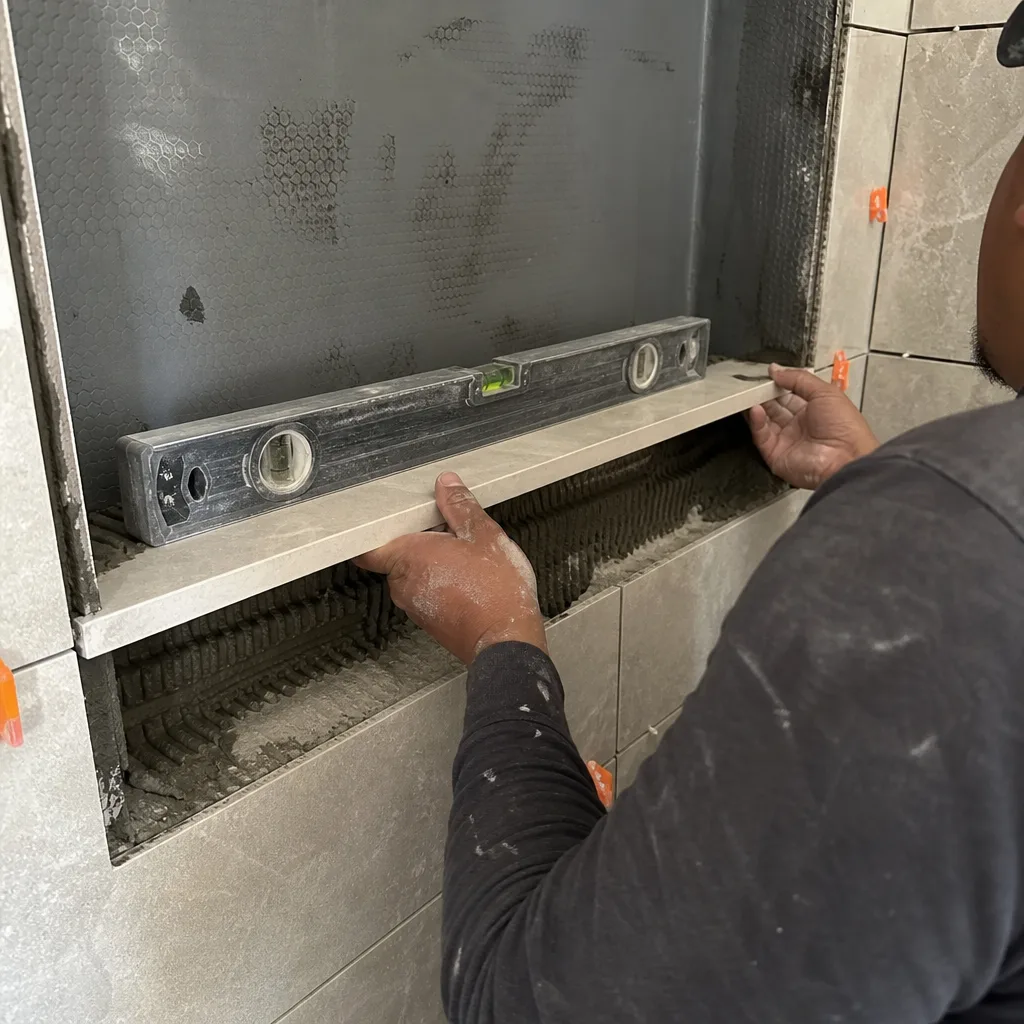
Certain situations require immediate professional intervention, not continued self-assessment. Contact a construction attorney or the CSLB when: a contractor has begun work without a signed contract containing all §7159 elements; payment demands exceed the legal limit or proceed without lien releases; permits cannot be verified on Escondido’s public portal; subcontractors appear unaware of who hired them; or work quality visibly deviates from specifications with no response to written correction requests.
For homeowners evaluating contractors before commitment, Rowan Construction Group Escondido offers free estimates in Escondido - call (858) 683-6538. We also provide a Free Second Opinion on any written estimate: bring a competitor’s quote and we will review it line by line at no charge, identifying omissions, inflated allowances, and compliance gaps. Our 4,000-plus projects since 2007 have finished within a few percent of the agreed price because the price is written before anyone picks up a tool, and no change proceeds without a signed change order.
Frequently Asked Questions
California law limits down payments to $1,000 or 10% of the contract price, whichever is less. A contractor requesting more is violating B&P Code §7159.5 and likely using your funds to finance other projects. Call (858) 683-6538 for an exact quote on your project - estimates are free.
Yes. Escondido Development Services maintains a public permit portal searchable by property address. Active permits display the contractor of record, issue date, and inspection status. A permit not visible within 48 hours of a contractor’s claim is a red flag requiring immediate explanation. Call (858) 683-6538 for an exact quote - estimates are free.
Withhold the next payment until conditional lien releases are provided from the contractor and all subcontractors who performed work covered by that payment. Without releases, you remain exposed to double payment if a subcontractor was not paid by your general contractor. California mechanics lien law provides powerful remedies to unpaid workers that operate against your property regardless of your payment to the general contractor. Call (858) 683-6538 for an exact quote - estimates are free.
Not always, but usually. A legitimate allowance specifies a dollar amount for a category where final selection is the homeowner’s choice - for example, “$4,500 allowance for plumbing fixtures, final selection to be made from Kohler, Toto, or equivalent.” An illegitimate allowance states “TBD” with no dollar figure, or sets an unrealistically low number that guarantees a cost increase. The difference is specificity and reasonableness. Call (858) 683-6538 for an exact quote - estimates are free.
Verify the CSLB license number at cslb.ca.gov, checking both the license status (active, bonded, insured) and the classification. A C-36 Plumbing contractor cannot legally perform C-10 Electrical work. A B-General Building contractor can perform multiple trades on projects involving two or more unrelated trades, but specialty work may require specific classification. The license number on our page is verified before any crew member arrives at your property. Call (858) 683-6538 for an exact quote - estimates are free.
You should receive: final unconditional lien releases from all parties; manufacturer warranties for all installed products; contractor workmanship warranty with specific terms and duration; maintenance instructions; final inspection sign-off from the city; and a documented photo record of completed work. Our standard deliverable includes all of these, with the 365-Day Done Right Promise printed on every page and backed by a terms page, not an asterisk. Call (858) 683-6538 for an exact quote - estimates are free.
The Bottom Line
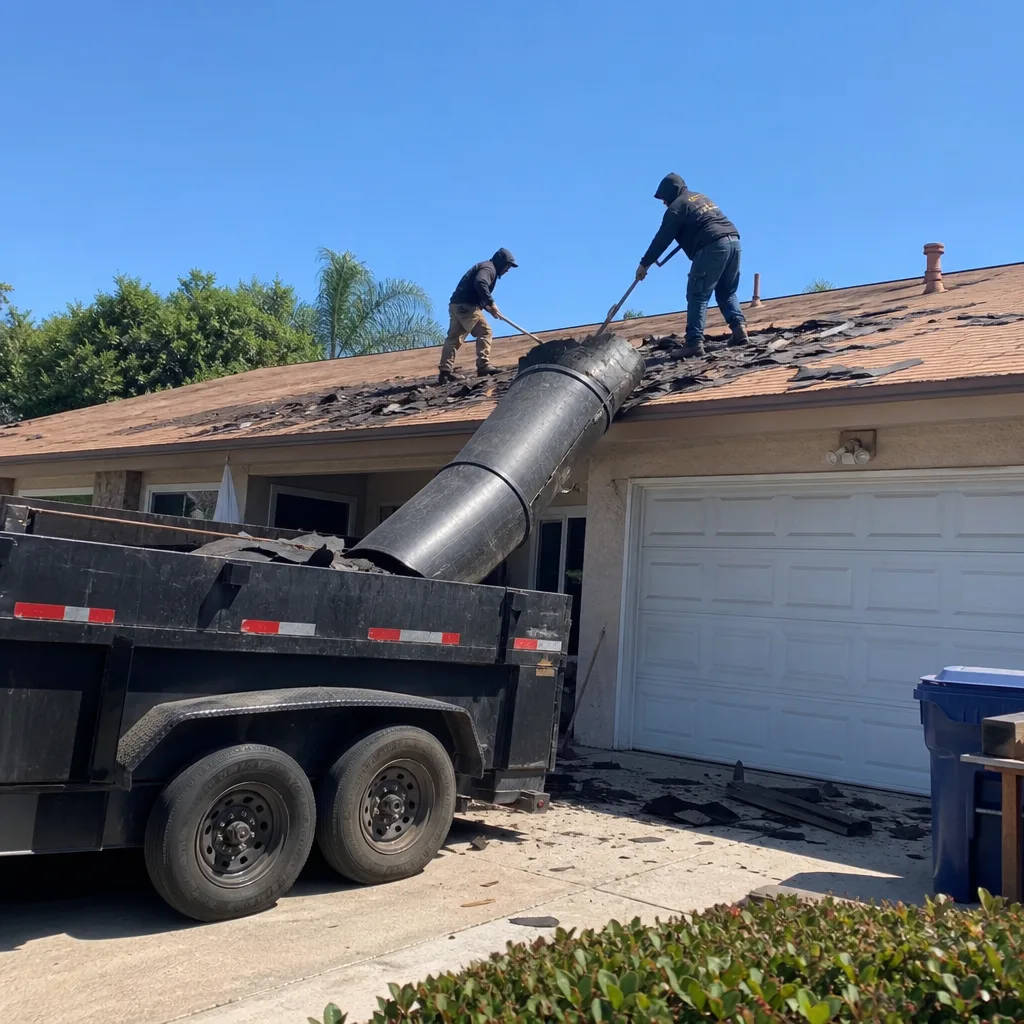
The worst construction outcomes in Escondido are preventable through document review before work begins. B&P Code §7159 provides a checklist; Escondido’s permit portal provides real-time verification; and payment discipline - never more than 10% down, always tied to inspections, always with lien releases - protects your capital. The contractors who avoid written specificity, resist permit transparency, and pressure for front-loaded payment have already told you how your project will end. Listen to what the documents say, verify what you can independently, and walk away from any operator who treats these standards as optional. The Haven Standard exists because documentation is not bureaucracy - it is the structure that keeps projects within a few percent of the number you agreed to, with evidence of what was found and what was done. Explore more guides & resources on protecting your construction investment.
Written by Grant Rowan, Owner at Rowan Construction Group Escondido, serving Escondido since 2007.