
Free written scope consultation - allowances, timeline, and change-order rules on paper before a single trade is scheduled
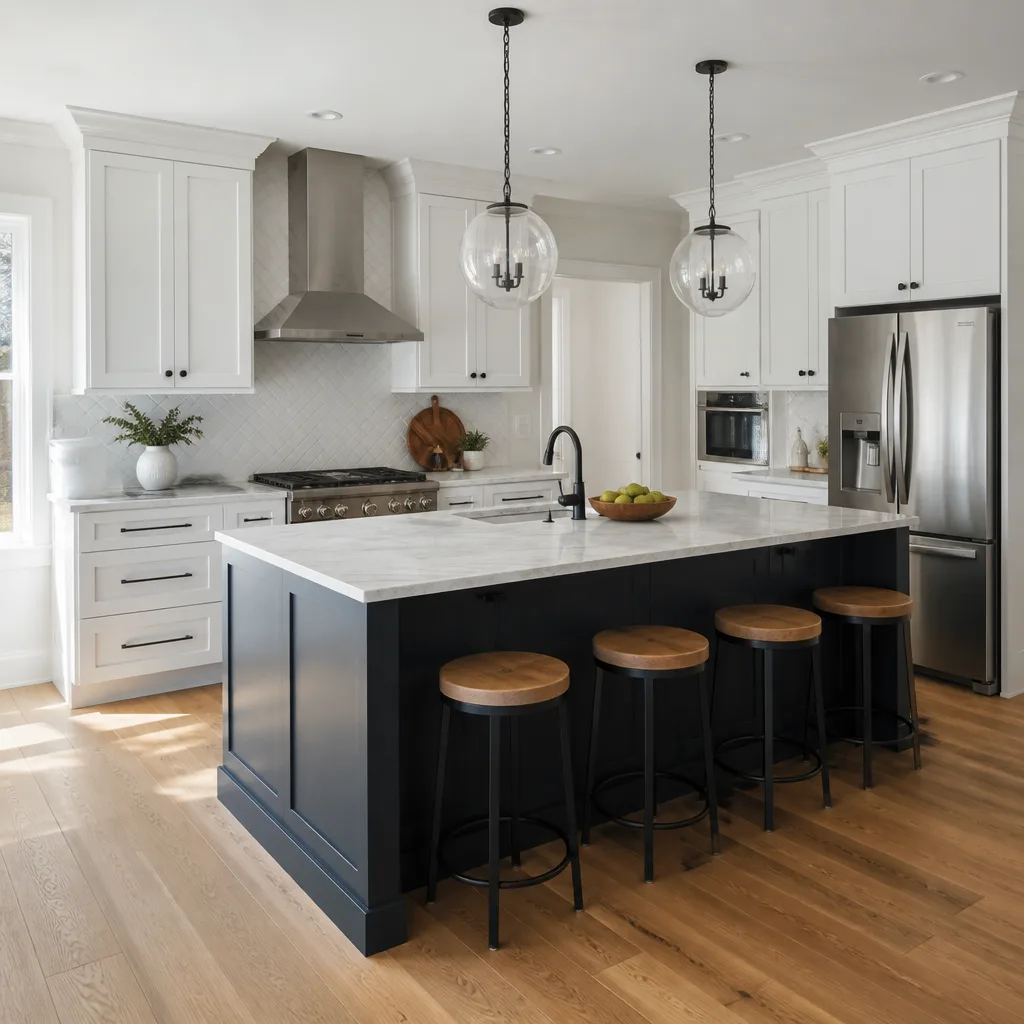
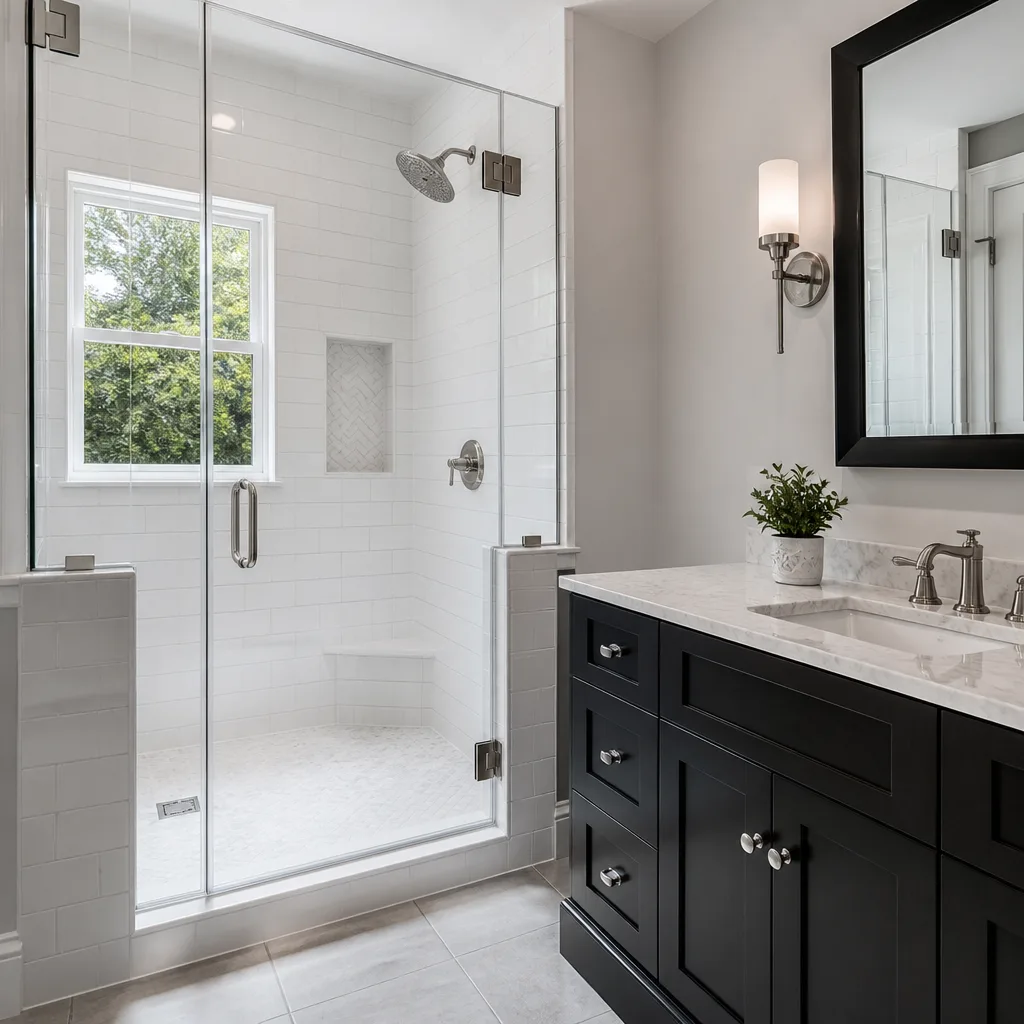
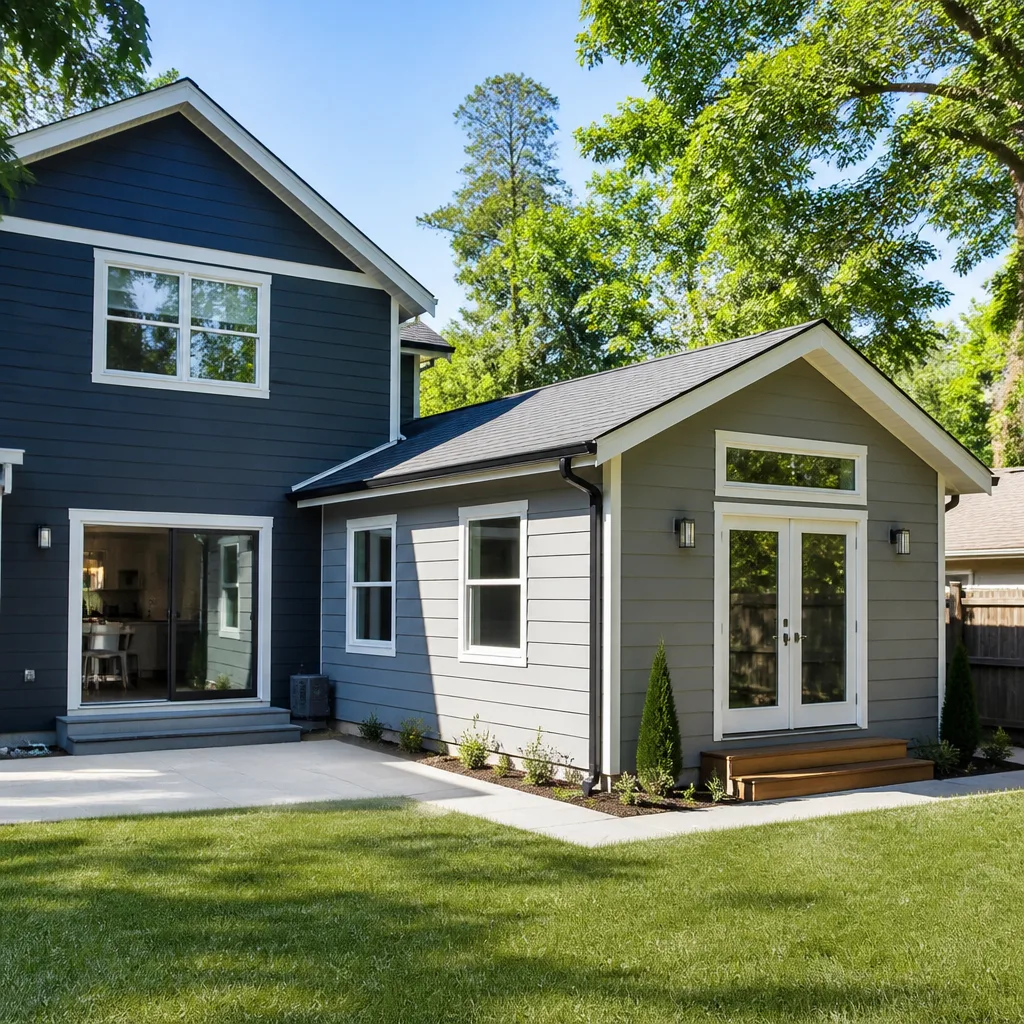
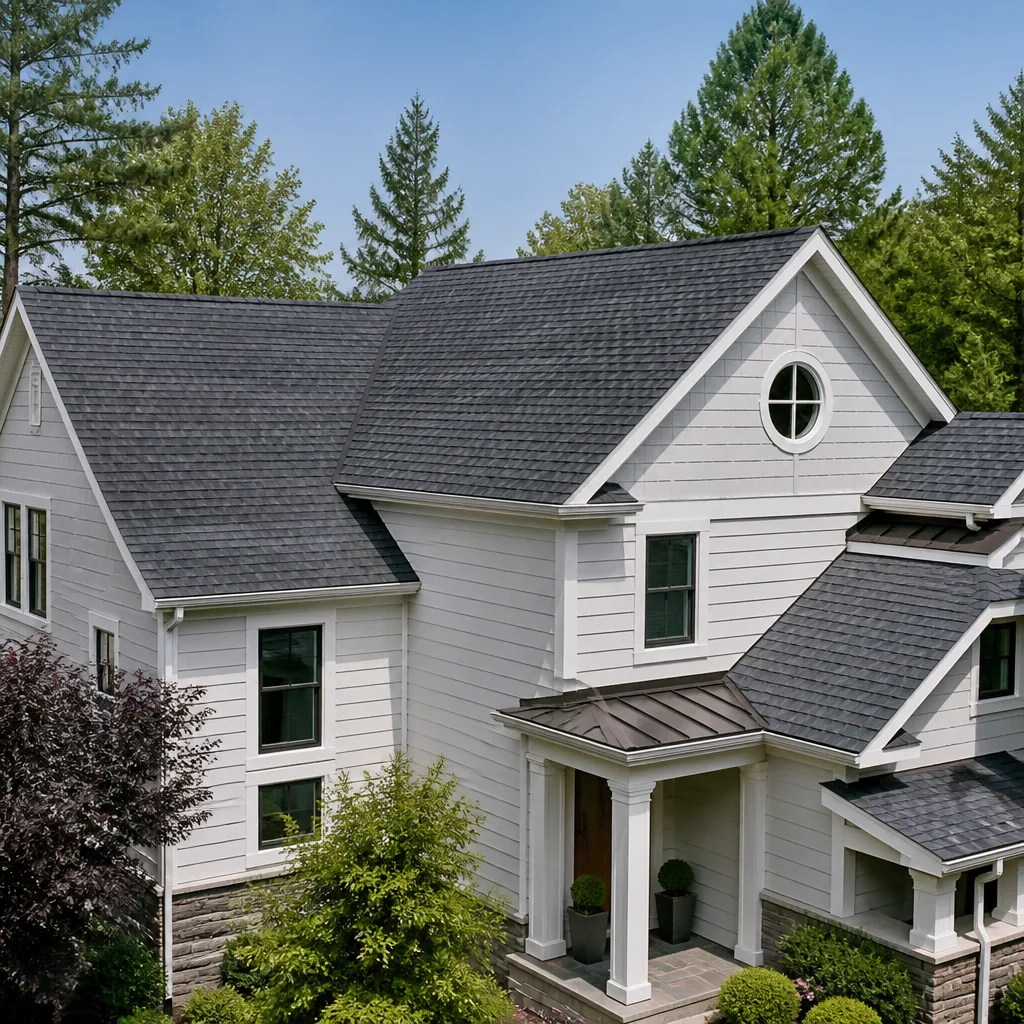
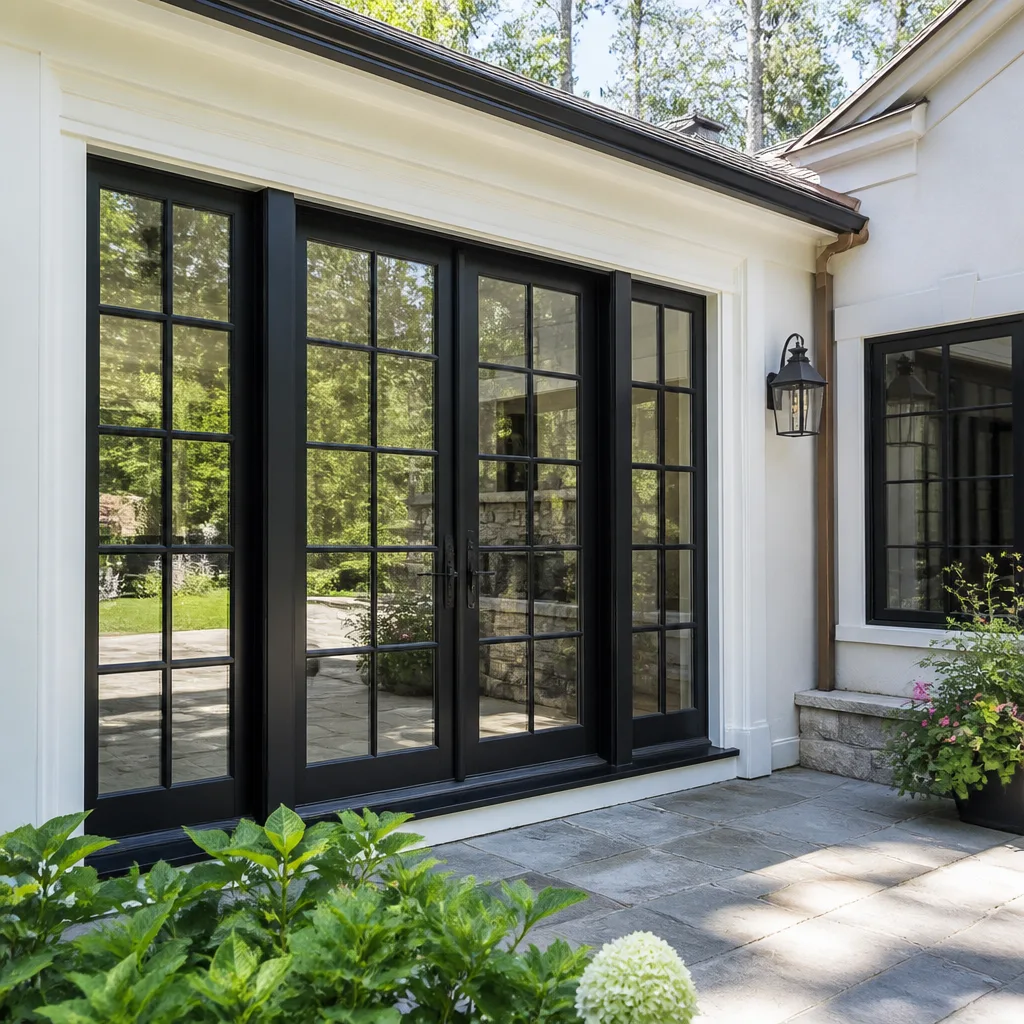
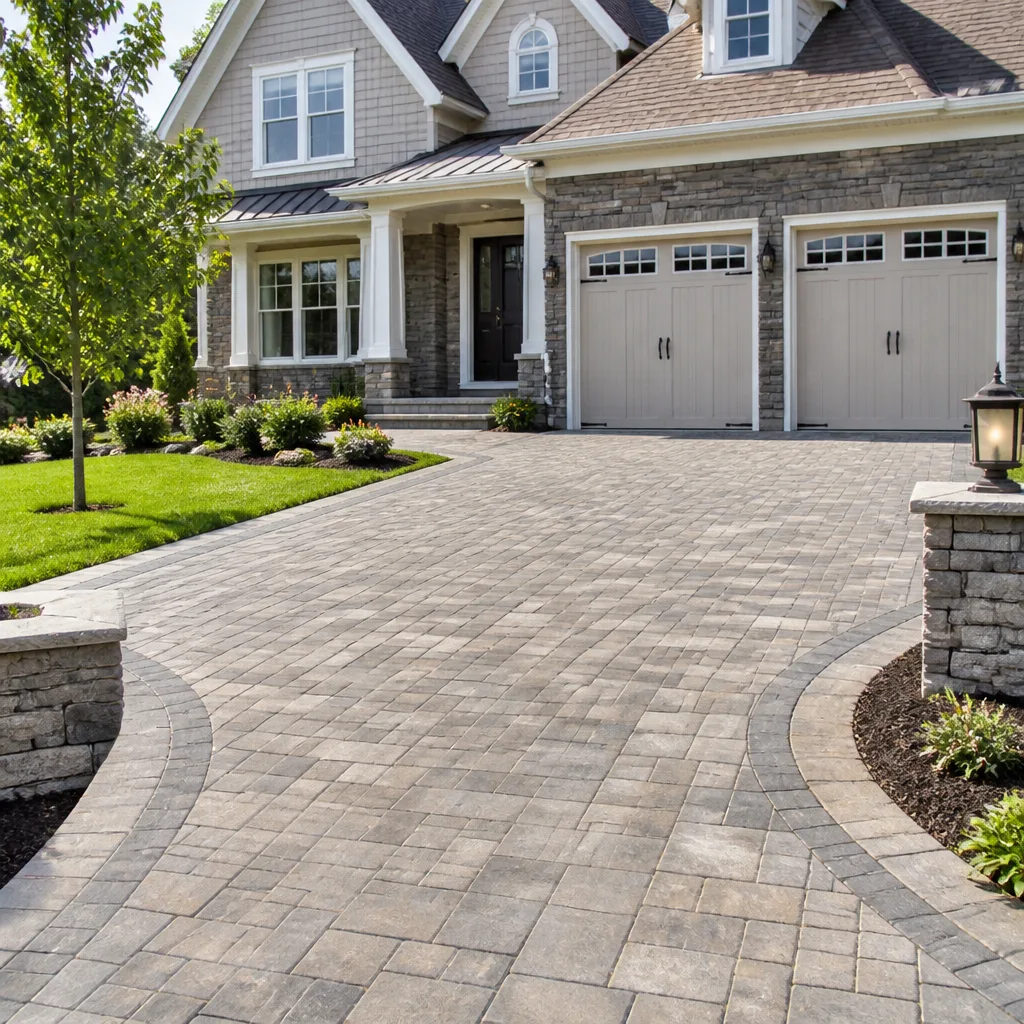
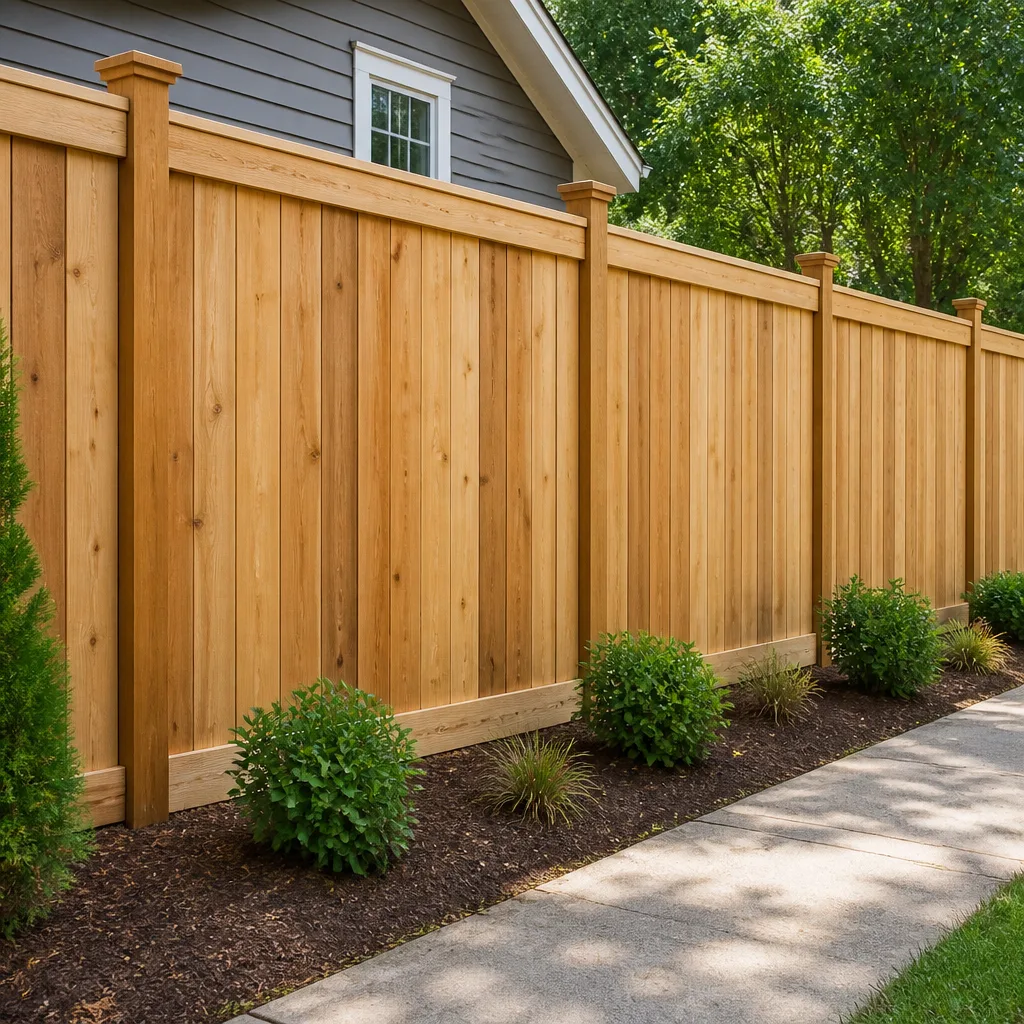
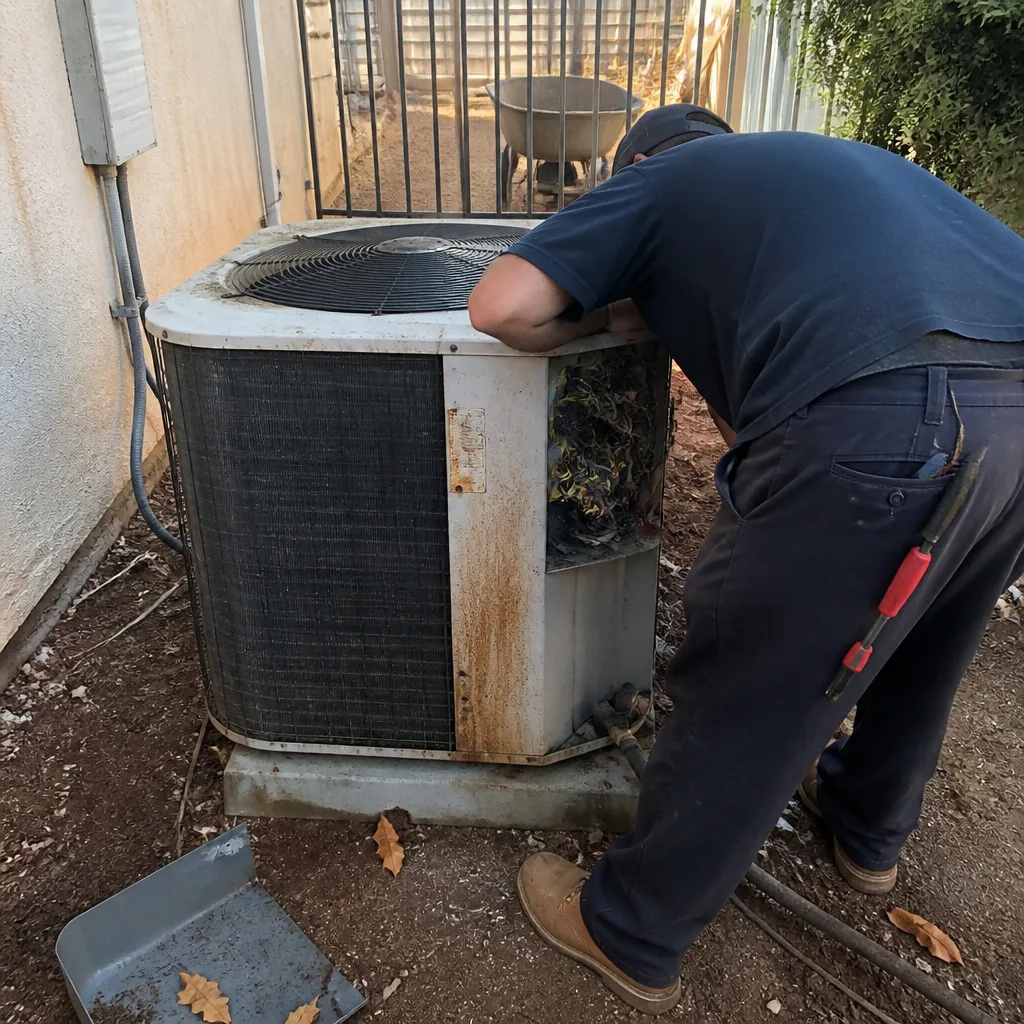 Before
 After
After Before
 After
After Before
 After
AfterBelgard Home Additions & ADU: The Escondido Owner’s Guide
Belgard pavers and retaining wall systems used in Escondido home additions and ADU projects typically run $45,000-$130,000 installed, depending on whether you’re extending a foundation with a Belgard Tandem Wall system or building a detached ADU with full Belgard hardscape integration. We stock Belgard-compatible wall caps, coping units, and connector pins for the most common series, and most ADU hardscape repairs or additions can be quoted same-day. Homeowners usually discover an issue when settling appears along a Belgard retaining wall near the addition’s foundation, or when drainage behind the wall causes efflorescence that signals water intrusion into the new living space.
Which Belgard Models This Applies To
Belgard’s retaining and freestanding wall lines show up differently on Escondido ADU sites depending on when the original work was done. The Belgard Tandem Wall series, common for grade-level additions in the 2015-2020 build wave, uses a pin-connected system with 6-inch-high units; the pins themselves are the failure point we see most, shearing when lateral soil pressure exceeds design load. Belgard Weston Wall, with its larger 8-inch face and rear-lip connection, handles the steeper grades near Daley Ranch better but requires exact matching of the lip geometry when adding on. Belgard Celtik Wall, used for planter integration and low seat walls, has a unique beveled face that aftermarket producers rarely replicate correctly.
Identification starts with the unit itself. Flip a loose block: Belgard stamps the series name and manufacturing plant code into the footer edge. For Tandem, you’re looking for a “TAN” prefix plus a two-digit year code. Weston uses “WST.” If the stamp reads “BP” followed by numbers, that’s a Belgard production run from the Corona plant, which serves the Escondido market and means the color blend was formulated for inland Southern California UV exposure. Aftermarket equivalents exist for the structural components, but we source Belgard-manufactured coping and cap units for color match because the Corona plant’s ochre-gray blend, common in Escondido’s Harmony Grove and San Pasqual Valley projects, shifts noticeably with non-OEM alternatives after two summers.
Signs Your Belgard Home Additions & ADU Is Failing
- Wall lean or visible bowing. A Belgard retaining wall tilting toward the addition indicates saturated backfill or a failed drainage aggregate layer. In Escondido’s clay-heavy soils, particularly below the 500-foot contour where winter runoff concentrates, hydrostatic pressure builds behind the wall and pushes pins or lips past their design tolerance.
- Efflorescence blooming on the block face. White mineral deposits mean water is moving through the wall matrix, carrying soluble salts to the surface. This is cosmetic at first but signals that the waterproofing membrane behind the wall has compromised, which in an ADU foundation context can mean moisture intrusion into the slab edge.
- Cracked or missing coping units. The cap row takes thermal expansion stress directly; Escondido’s 110°F summer peaks and sub-40°F winter lows cycle the concrete enough that unreinforced coping develops hairline fractures. Once water enters and freezes, the spalling accelerates.
- Settling separation between wall and addition slab. If the Belgard wall was built as a tied foundation system, differential settlement shows as a gap or step crack at the cold joint. This often traces to inadequate compaction of the native soil before wall base placement, a code issue we see in unpermitted ADU conversions around central Escondido.
- Connector pins backing out or visible at the face. Tandem Wall pins should be fully recessed. Exposed metal means the pin hole has wallowed from shear stress, usually because the wall was backfilled too quickly or with unscreened material containing rocks larger than 3/4 inch.
BeforeAfterReplacement Cost & What’s Included
Belgard hardscape repair or extension for an Escondido home addition or ADU falls within our standard $45,000-$130,000 range for full addition work, but isolated Belgard wall repair typically segments much smaller. Partial rebuild of a Tandem Wall section, 20-40 linear feet with excavation, drainage correction, and replacement units, generally runs $3,500-$8,500. Full cap and coping replacement on an existing sound wall runs $800-$2,200 depending on linear footage and whether the original Corona-plant color blend is still available.
What drives the range: access for mini-excavator or hand-dig, whether the wall is load-bearing for the addition’s slab edge, and if we need to match discontinued color lots. Our quote breaks out Belgard material at distributor cost plus labor, permit fees if the wall exceeds 30 inches and requires Escondido building department review, and disposal. Under Clause 1 of the Haven Standard, that written price is fixed; if we hit unexpected soil conditions, the change order is signed before any additional work proceeds. The 365-Day Done Right Promise covers the installation, and Belgard’s limited lifetime warranty on structural wall units transfers to the repair where applicable.
DIY or Call Us?
There’s a clear line here. An owner can safely inspect: look for the Belgard stamp on a loose unit, photograph any cracks with a coin for scale, and check whether downspouts dump directly behind the wall. What you should not do is excavate behind a retaining wall that supports an occupied ADU or addition foundation. The lateral load on a failed wall can release suddenly, and without proper shoring, trench collapse is a real hazard in Escondido’s loose sandy loam above bedrock.
Similarly, don’t attempt to reset coping with construction adhesive. Belgard caps are designed to float on a bedding layer; locking them down traps expansion stress and guarantees spalling within two seasons. If the wall shows lean, efflorescence, or slab separation, the fix involves engineered drainage and often geogrid reinforcement that extends back into the slope. That’s not a weekend project. Call (858) 683-6538 and we’ll quote it in writing, typically within 48 hours of site visit.
FAQs
Properly installed Belgard Tandem or Weston Wall systems with correct drainage should exceed 25 years in Escondido’s inland climate. We see premature failure at 8-12 years when the base course lacks adequate compaction or when native clay backfill was used instead of free-draining aggregate. Call (858) 683-6538 for an exact assessment of your wall’s condition.
Isolated pin failure or cap damage can be repaired by section. If the wall shows systemic lean, base course displacement, or the addition slab has separated, partial or full rebuild is usually more economical than repeated spot fixes. We evaluate this on site and give both options in writing.
Cap and coping replacement: one to two days. Sectional rebuild with drainage correction: three to five days, plus permit turnaround if required. Full addition-integrated wall with new ADU foundation tie-in: four to eight weeks depending on Escondido building department scheduling. We include realistic timelines in every written quote.
We maintain connector pins, drainage aggregate, and geogrid in common specifications on our trucks. Belgard-manufactured wall units and coping ship from the Corona distribution center, typically two to three business days for standard colors. Discontinued lots require custom color matching, which adds one to two weeks. We confirm availability before quoting so there’s no surprise.
Written by Grant Rowan, Owner, Rowan Construction Group Escondido at Rowan Construction Group Escondido, serving Escondido and nearby areas.