
Free written scope consultation - allowances, timeline, and change-order rules on paper before a single trade is scheduled
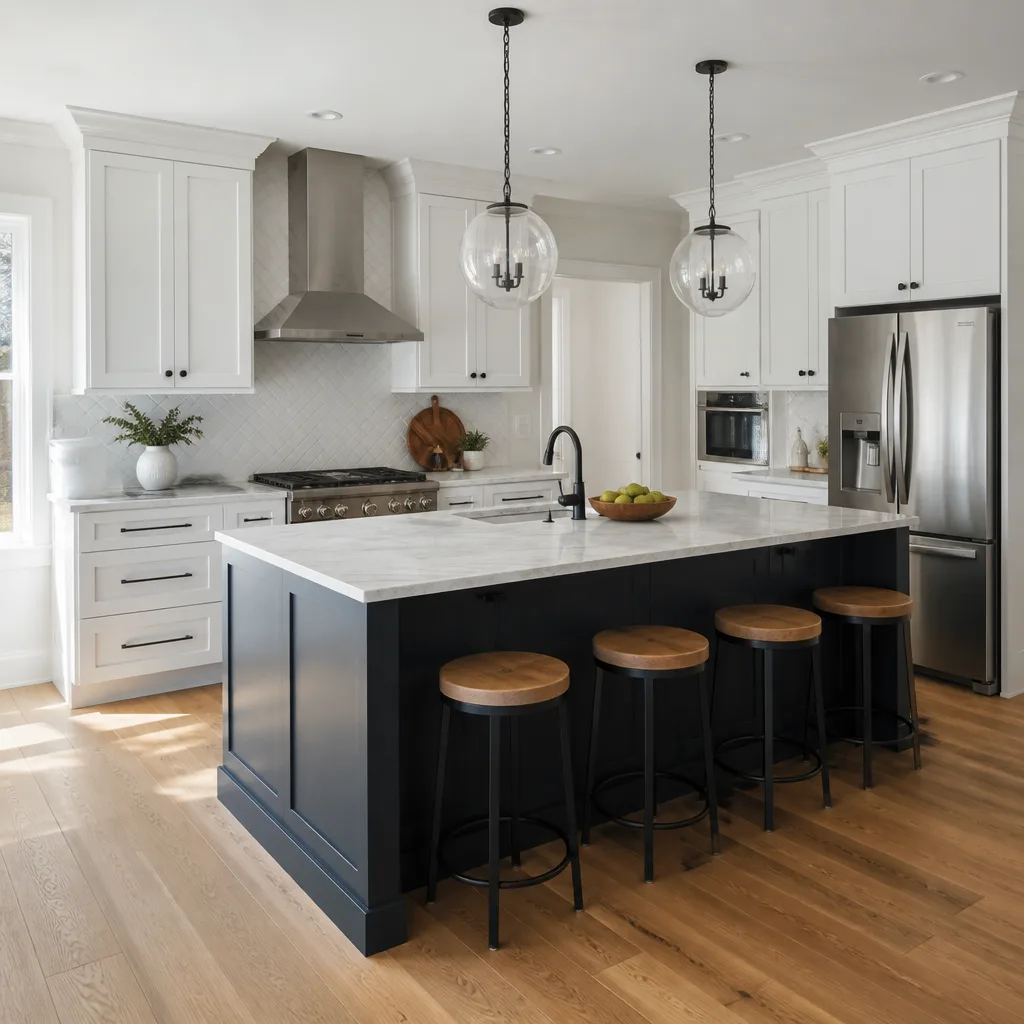
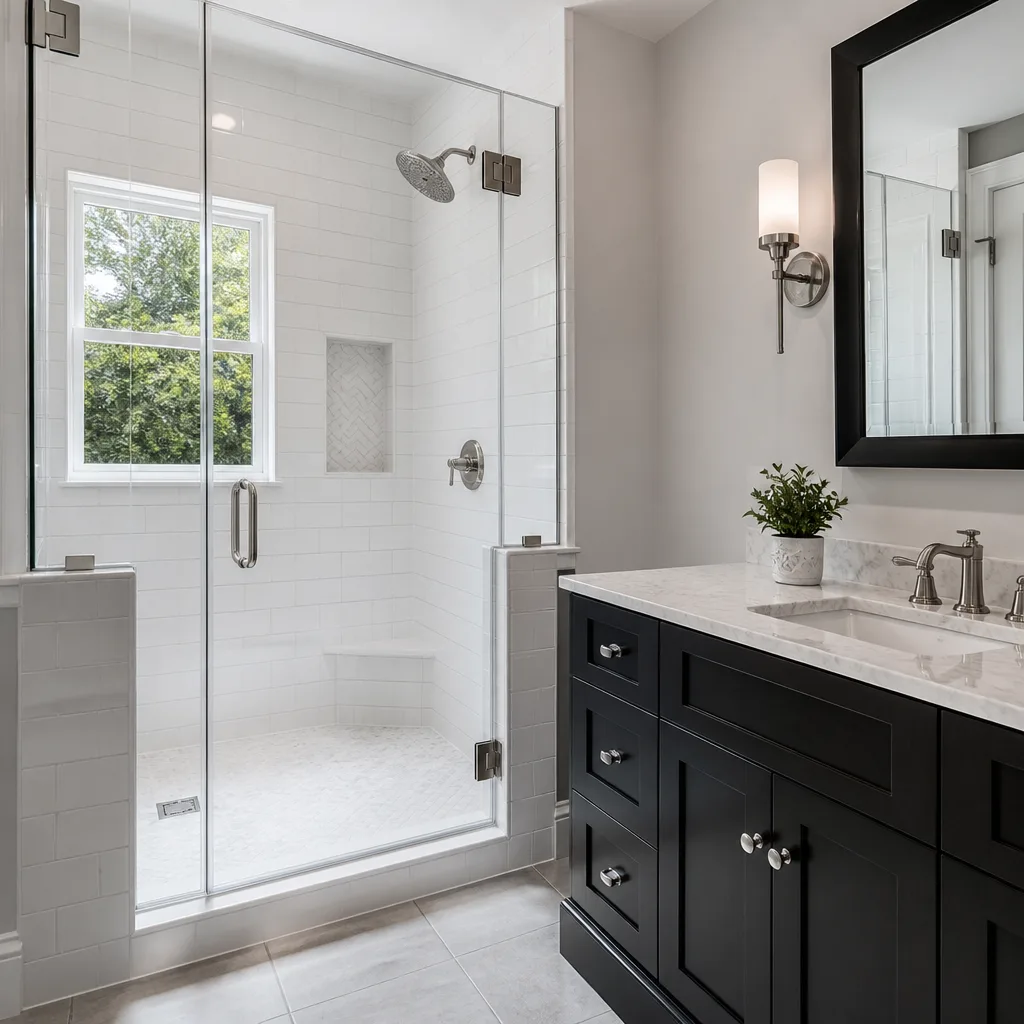
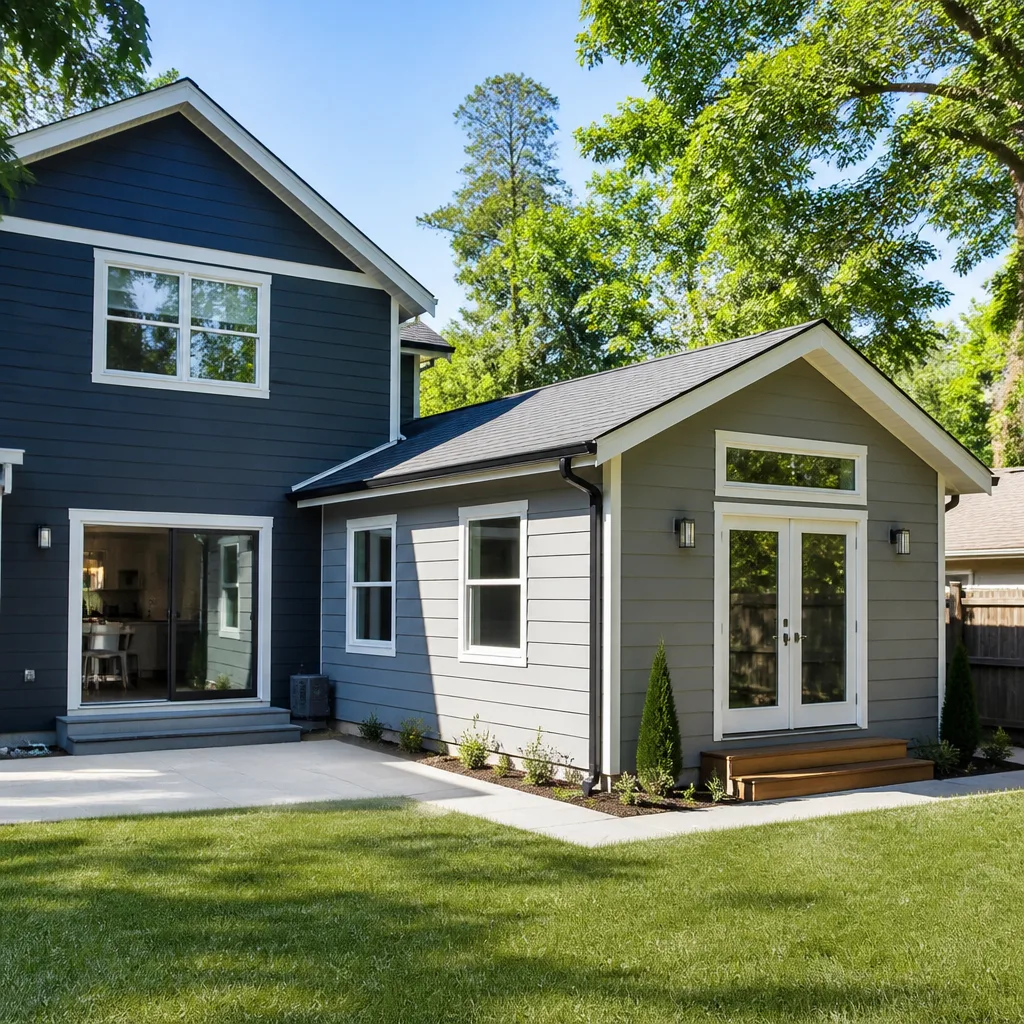
 Before
 After
After Before
 After
After Before
 After
AfterPlant Prefab Roofing: The Escondido Owner’s Guide
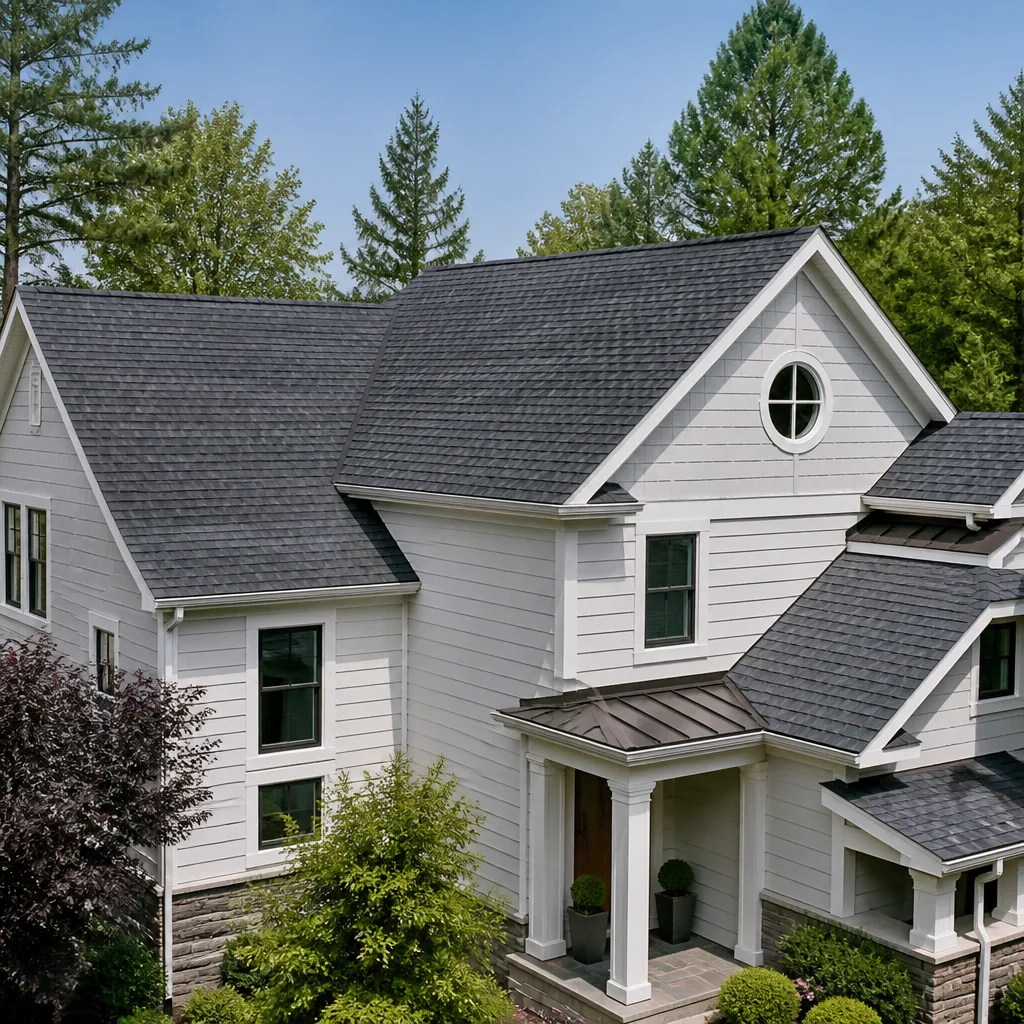
Plant Prefab-compatible roofing replacement in Escondido typically runs $8,000-$20,000 for a full system, with repair work starting at $400. We stock the membrane assemblies, flashing kits, and underlayment specified for Plant Prefab’s panelized construction, and we carry the common failure parts on our trucks. Most owners first notice trouble after Santa Ana wind events or the first heavy winter rain, when a seam separation or fastener back-out lets water into the wall cavity behind the exterior finish.
Which Plant Prefab Models This Applies To
Plant Prefab has shipped multiple product lines since 2016, and the roofing interface differs between them. The LivingHome series, including the C6, C6.3, and C6.4 models, uses a proprietary membrane-to-panel connection with a concealed fastener track at the eave. The more recent Apex line, including the Apex 1 and Apex 2, shifted to a standing-seam metal integration with a pre-installed weep screed, which is the angled termination that lets moisture escape rather than trapping it against the sheathing.
To identify your part, check the equipment label on the electrical panel door or the mechanical chase cover. The model designation will start with “LH-” for LivingHome or “AP-” for Apex, followed by the size code. If the label is missing, measure the panel thickness at a roof penetration: LivingHome panels are 8-3/4″ nominal, Apex panels are 10-1/4″. That 1-1/2″ difference changes the flashing depth and the membrane overlap spec.
We source OEM membrane from Plant Prefab’s approved suppliers when the project warranty is still active, which for most Escondido installs means anything completed after 2019. For older units or out-of-warranty work, we use a GAF or Owens Corning equivalent that meets the same ASTM D6757 standard for self-adhered underlayment, documented in our written quote so you know what you’re getting. The aftermarket option typically saves 12-18% on material cost without changing the installed performance.
Signs Your Plant Prefab Roofing Is Failing
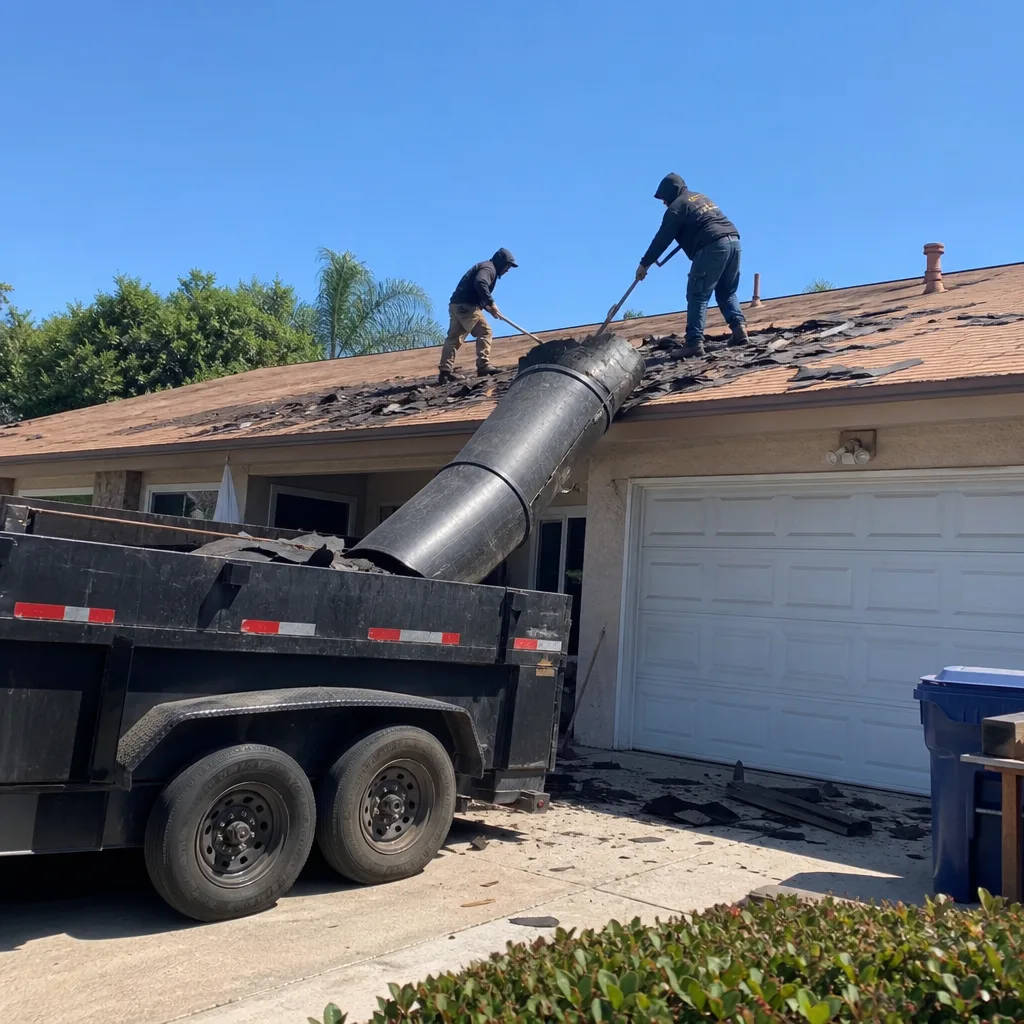
- Water staining on interior ceiling panels near the roof-wall junction. Plant Prefab’s panelized construction moves slightly as a unit, and that movement can break the seal at the membrane termination. The stain usually appears first in the corner modules where thermal expansion is concentrated.
- Visible lifting or bubbling at membrane seams. This indicates adhesive failure or trapped moisture vapor, common in Escondido’s inland climate where summer surface temperatures on dark roofing hit 160°F and winter nights drop below 40°F. That thermal swing fatigues the bond line.
- Fastener heads visible or backing out along the eave or ridge. Plant Prefab specifies a particular pancake-head fastener with a neoprene washer. When the washer hardens in UV, the fastener loosens and the membrane lifts. We see this most on south-facing slopes in Escondido’s older LivingHome installs.
- Granule loss on composite sections or chalking on membrane surfaces. Normal aging shows uniform wear; patchy loss means water is getting underneath and pushing the surfacing off from below. Check the north face first, it fails slowest and gives you a comparison baseline.
- Interior humidity spikes or musty odor in the mechanical chase. Plant Prefab routes ductwork through a central chase that intersects the roof plane at multiple points. A small leak at any penetration pressurizes that cavity and distributes moisture throughout the house.
BeforeAfterReplacement Cost & What’s Included
Here’s how pricing breaks down for Escondido Plant Prefab roofing work:
| Scope | Price Range | Typical Driver |
|---|---|---|
| Spot repair (localized membrane patch, sealing) | $400-$1,800 | Accessibility, number of penetrations |
| Partial re-roof (one slope or module section) | $2,500-$6,500 | Panel interface complexity, matching aged material |
| Full roof replacement | $8,000-$20,000 | Square footage, membrane type, chimney/skylight count |
| Metal roof upgrade (Apex-compatible standing seam) | $15,000-$40,000 | Material gauge, finish warranty tier |
The range depends on three things we assess before quoting: the condition of the OSB sheathing beneath the membrane (soft or delaminated sheathing adds $800-$2,400), whether the original fasteners are salvageable or need full replacement, and how many roof penetrations your Plant Prefab unit has for solar, HVAC, or venting. Under Clause 1 of the Haven Standard, you get that breakdown in writing before we start. The 365-Day Done Right Promise covers the workmanship, and the material warranty runs 20-50 years depending on the membrane grade you select.
DIY or Call Us?
There’s a safe middle ground here. You can walk the perimeter with binoculars and note seam condition, check the attic or chase with a flashlight for new stains, and photograph anything suspicious for our review. What you should not do is climb a Plant Prefab roof unassisted. These systems use a low-slope design, 2:12 to 4:12 in most Escondido configurations, and the membrane surface is slick when dew-covered or recently rained on. Falls from single-story height cause the majority of residential roofing injuries we see reported locally.
More critically, the membrane-to-panel connection is a trained joint. The heat-welded seams require a hot-air gun set to 600-750°F depending on ambient temperature, and the overlap dimension changes with panel thickness. A botched DIY repair traps water behind the membrane and voids any remaining warranty. We’ve torn off three Escondido owner-attempted patches this year; all three cost more than calling us first would have. If you’re unsure, text us photos and we’ll tell you what we’re seeing, no charge for the look.
FAQs
The original membrane on LivingHome units installed 2016-2020 is rated 20 years; in Escondido’s inland sun exposure, we’re seeing functional life of 14-18 years before replacement becomes more economical than patching. Apex units with standing-seam metal should reach 40-50 years on the metal itself, though the underlayment and fasteners need inspection at year 15. Call (858) 683-6538 and we’ll check your install year against what we’re seeing in the field.
Yes, if the damage is localized to one or two membrane panels and the substrate beneath is dry. We cut back to sound material, tie in new membrane with a 6″ minimum overlap per the manufacturer spec, and warranty the repair for one year. If more than 30% of the surface shows failure indicators, replacement is the better value. We document both options in our written quote.
Most Escondido jobs run 3-5 working days for a LivingHome C6, 5-7 days for an Apex 2 with metal upgrade. The panelized structure actually speeds removal and replacement compared to stick-built, since we’re working to modular joints rather than cutting around rafter bays. Weather holds are the main variable; we don’t heat-weld in rain or when surface temperature is below 45°F.
We carry the GAF StormGuard SA membrane, Owens Corning WeatherLock underlayment, and the pancake-head fastener assortment in #10 and #12 diameters on every Escondido truck. LivingHome-specific membrane colors and Apex standing-seam profiles are ordered to your unit’s spec, usually here in 2-3 business days. We don’t start until everything is on-site; partial deliveries lead to open seams, and we don’t leave roofs unprotected overnight.
Ready to get a number in writing? Call (858) 683-6538 to schedule your free estimate. We’ll photograph the condition, identify your Plant Prefab model and membrane spec, and deliver a flat price with a written scope before any work starts. That’s Clause 1. Measure twice, quote once, show your work.
Written by Grant Rowan, Owner, Rowan Construction Group Escondido at Rowan Construction Group Escondido, serving Escondido and nearby areas.