
Free written scope consultation - allowances, timeline, and change-order rules on paper before a single trade is scheduled
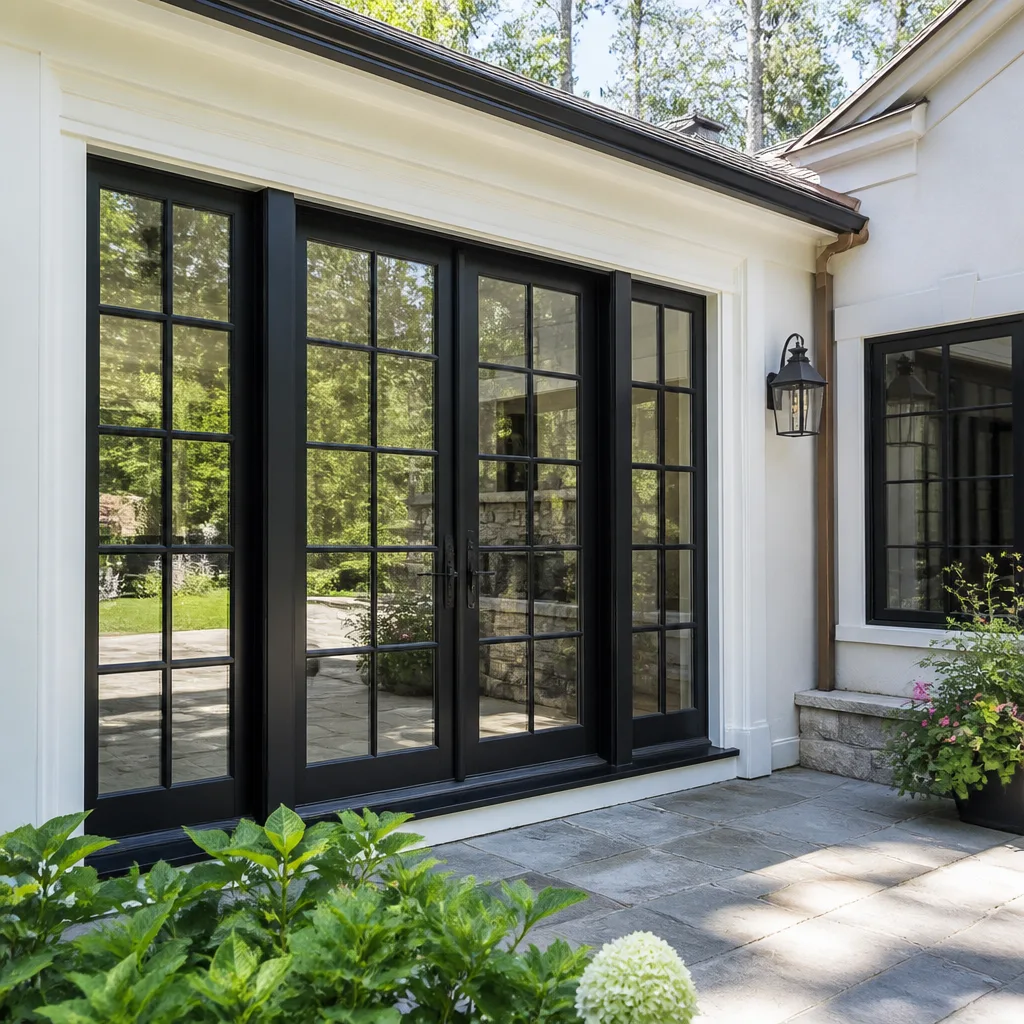
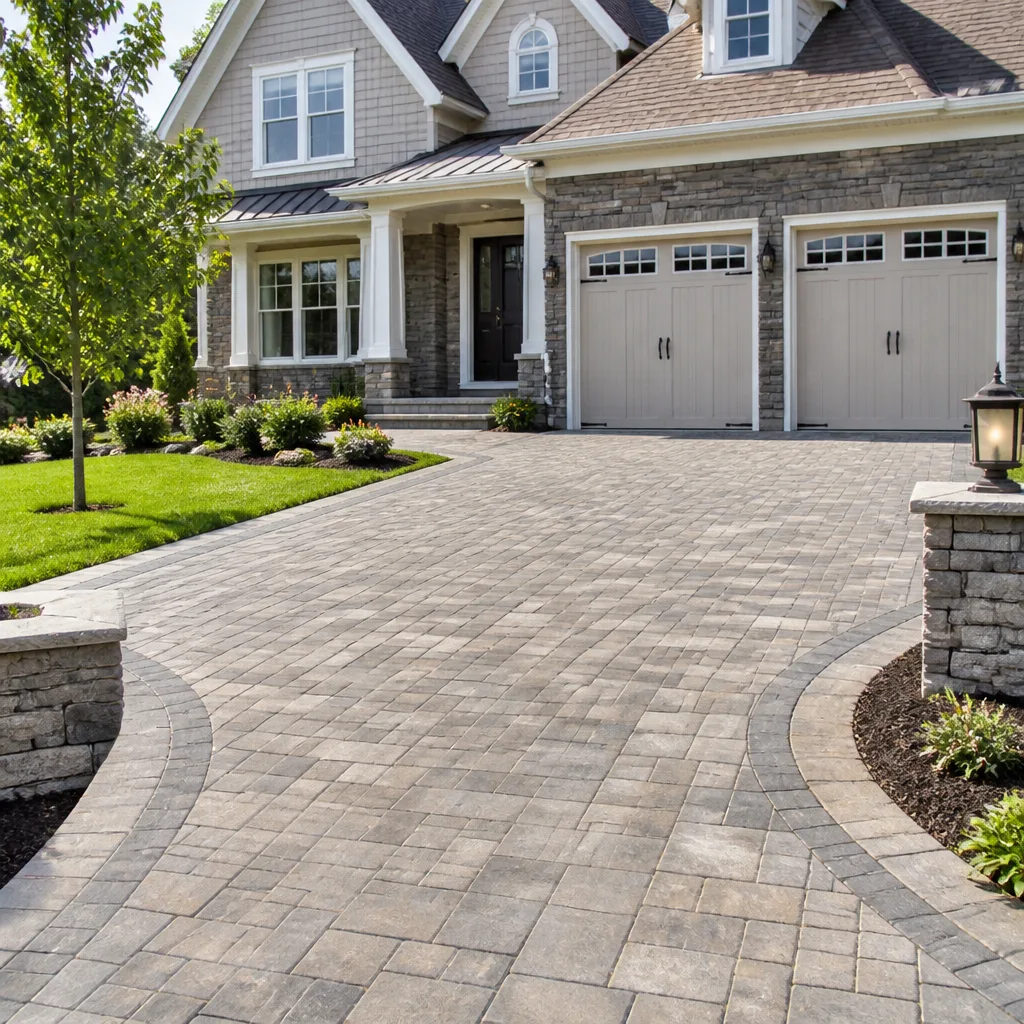
 Before
 After
After Before
 After
After Before
 After
AfterAtlas Home Additions & ADU: The Escondido Owner’s Guide
Atlas home additions and ADU systems in Escondido typically run $45,000-$130,000 installed, depending on whether you’re extending an existing footprint or building a detached unit from slab to roof. We stock Atlas-compatible structural components, hardware kits, and finishing systems for same-week starts on most Escondido projects. Most owners realize something’s wrong when permits stall due to non-compliant drawings, or when the addition settles unevenly after the first rainy season - both traceable to Atlas specification mismatches that should have been caught before excavation.
Which Atlas Models This Applies To
Atlas produces three distinct product lines relevant to Escondido homeowners: the Atlas Standard Series (single-story additions up to 400 sq ft), the Atlas Premier Series (two-story builds and full ADU shells), and the Atlas Flex Modular (prefabricated panel systems for garage conversions and backyard cottages). The identification plate is usually stamped on the structural header beam or, for modular units, riveted to the utility chase panel near the electrical stub-out.
The critical compatibility gotcha in San Diego County: Atlas Premier Series headers are engineered for 115 mph wind loads, but the Standard Series tops out at 85 mph. We’ve seen three Escondido permits rejected in the past two years because a Standard header got spec’d into a Premier footprint, and the county inspector flagged it at rough framing. The part numbers differ by one digit - 4400-H versus 4400-P - and that digit costs three weeks if it’s wrong.
We source OEM Atlas hardware direct from their Ontario distribution center, but for finishing systems we often specify KraftMaid or Wellborn cabinetry and Cambria or Silestone surfaces that integrate cleanly with Atlas rough openings. Aftermarket structural equivalents exist from Simpson and USP, though we default to OEM on load-bearing connections because Atlas’s torque specs don’t always transfer.
Signs Your Atlas Home Addition or ADU Is Failing
- Diagonal cracking at window corners or door headers. This usually means the Atlas LVL header was undersized for the span, or the bearing point settled because the Escondido clay soil wasn’t properly compacted before the slab went in. The crack widens after rain, when the soil swells, then narrows in dry months.
- Doors that swing open or closed on their own. The addition has gone out of plumb, typically because the Atlas foundation stem wall cracked where it meets the existing house footing. We see this in Kit Carson Park-area homes built on the old alluvial fan, where the cut-and-fill wasn’t engineered for differential settlement.
- Water staining on the interior ceiling, but the roof above looks intact. Atlas’s through-wall flashing detail relies on a two-piece counterflashing that separates if the caulking bead degrades. Escondido’s 120-plus days of annual sun exposure cooks that bead in about seven years, and water enters behind the stucco weep screed - the drainage path designed into the wall.
- Floor tiles popping or grout crumbling in the addition only. The Atlas subfloor system specified 3/4-inch T&G plywood, but the installer substituted 5/8-inch to save cost. The reduced stiffness concentrates flex at the joist lines, and the thinset bed fractures. We’ve found this on four Escondido inspections where the homeowner had the original quote.
- Permit corrections citing “structural drawings don’t match field conditions.” This is the Atlas modular panel system installed out of sequence - typically the corner posts set before the sill gasket, which throws every subsequent panel measurement off by the gasket thickness, usually 3/8 inch. The county red-tags it at framing inspection, and nothing proceeds until an engineer signs off.
BeforeAfterReplacement Cost & What’s Included
| Scope | Escondido Price Range |
|---|---|
| Atlas header/beam replacement (single span) | $4,500-$8,500 |
| Foundation stem wall repair with epoxy injection | $3,500-$7,000 |
| Through-wall flashing rebuild (typical 8-foot run) | $2,800-$5,200 |
| Subfloor replacement (200 sq ft addition) | $3,200-$6,500 |
| Modular panel realignment with engineer letter | $5,500-$11,000 |
| Full Atlas addition rebuild (failed system) | $45,000-$130,000 |
These ranges include demolition to access the failed component, OEM or equivalent replacement material, labor, and the documented photo record we deliver at completion. What drives the spread: whether we can work from the interior or need to remove exterior stucco, whether the repair triggers Title 24 energy compliance updates, and whether the original Atlas drawings are available to verify load paths. Under Clause 1 of the Haven Standard, you get the written price before anyone picks up a tool - no exceptions. The 365-Day Done Right Promise covers the workmanship; manufacturer defects go through Atlas direct.
DIY or Call Us?
There’s a safe middle ground here, and a hard stop. You can verify the Atlas model number yourself - it’s stamped metal, not hidden - and you can photograph any crack pattern with a ruler in frame for scale. That’s useful documentation, and we encourage it.
Where DIY ends: anything involving the structural header, the foundation connection, or the roof-to-wall tie-down. Atlas’s Premier Series uses a proprietary moment connection with four 5/8-inch through-bolts torqued to 90 ft-lbs; loosen one to check and you’ve compromised the shear wall rating for the whole addition. The county inspector will flag it, and the engineer’s letter to clear it runs $800-$1,500. Similarly, cutting stucco to expose flashing voids the weather-resistive barrier, and re-wrapping it to code requires a hot-air weld tool most homeowners don’t own.
We’re not affiliated with Atlas - we’re an independent Escondido contractor who has worked with their systems long enough to know where the tolerances sit. If you’re staring at a crack that wasn’t there last season, call (858) 683-6538 and we’ll read the site before quoting it. Measure twice, quote once, show your work.
FAQs
Properly installed Atlas systems last 50-plus years structurally, but the waterproofing components - flashings, sealants, sill gaskets - need attention at 15-20 years due to UV exposure and thermal cycling. Call (858) 683-6538 for an inspection and exact quote; estimates are free.
Flashing and sealant failures can usually be repaired; cracked headers, compromised foundation walls, and out-of-spec modular panels require replacement to meet San Diego County structural code. We assess which category you’re in before quoting. Call (858) 683-6538 for a free evaluation.
Most component replacements - header, flashing, subfloor section - run 3-5 working days once materials arrive. Full rebuilds run 8-14 weeks depending on permit cycle. We stock common Atlas hardware; specialty beams ship from Ontario in 5-7 business days. Call (858) 683-6538 to schedule.
We carry Atlas Standard and Premier fasteners, connectors, and flashing profiles; LVL beams and modular panels are job-ordered to spec. For finishing, we stock samples from KraftMaid, Cambria, and Silestone so you can match existing conditions on the first visit. Call (858) 683-6538 to confirm availability for your model.
Written by Grant Rowan, Owner, Rowan Construction Group Escondido at Rowan Construction Group Escondido, serving Escondido and nearby areas.