
Free written scope consultation - allowances, timeline, and change-order rules on paper before a single trade is scheduled
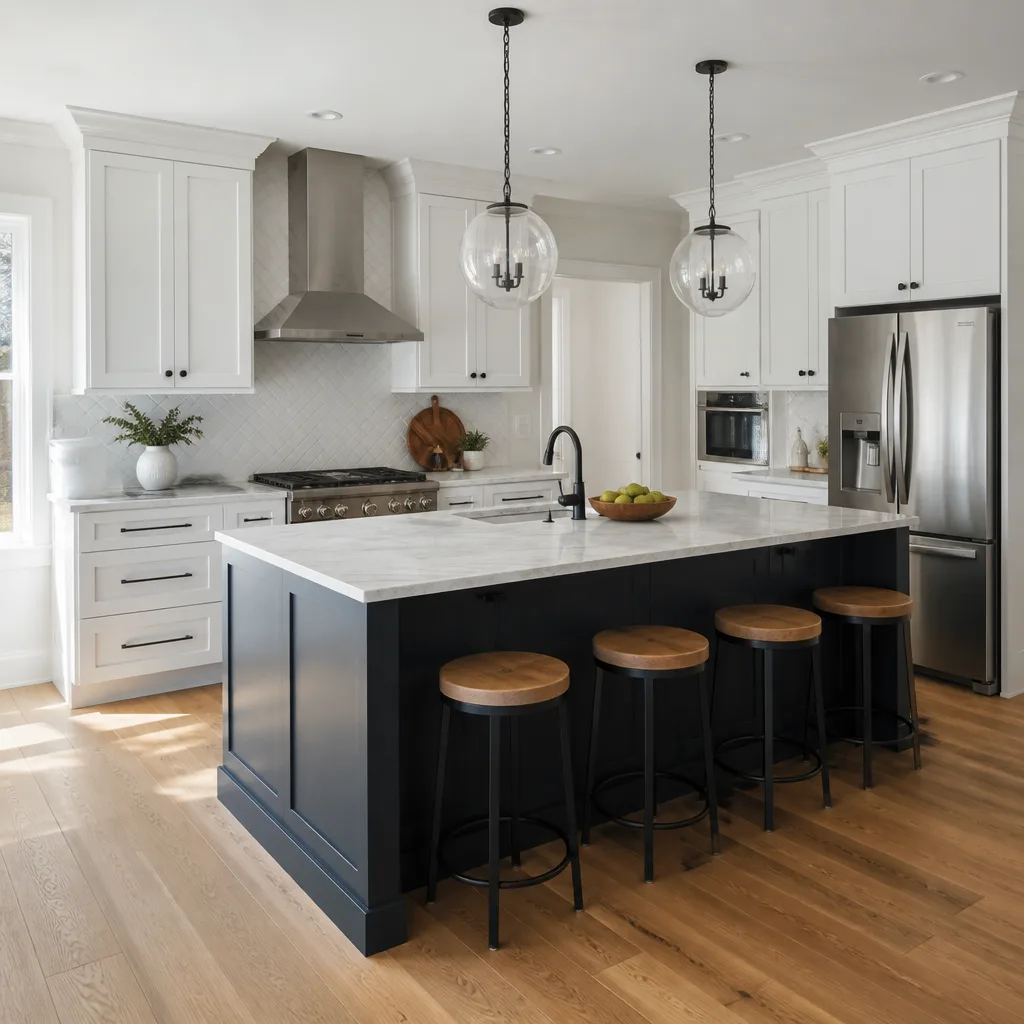
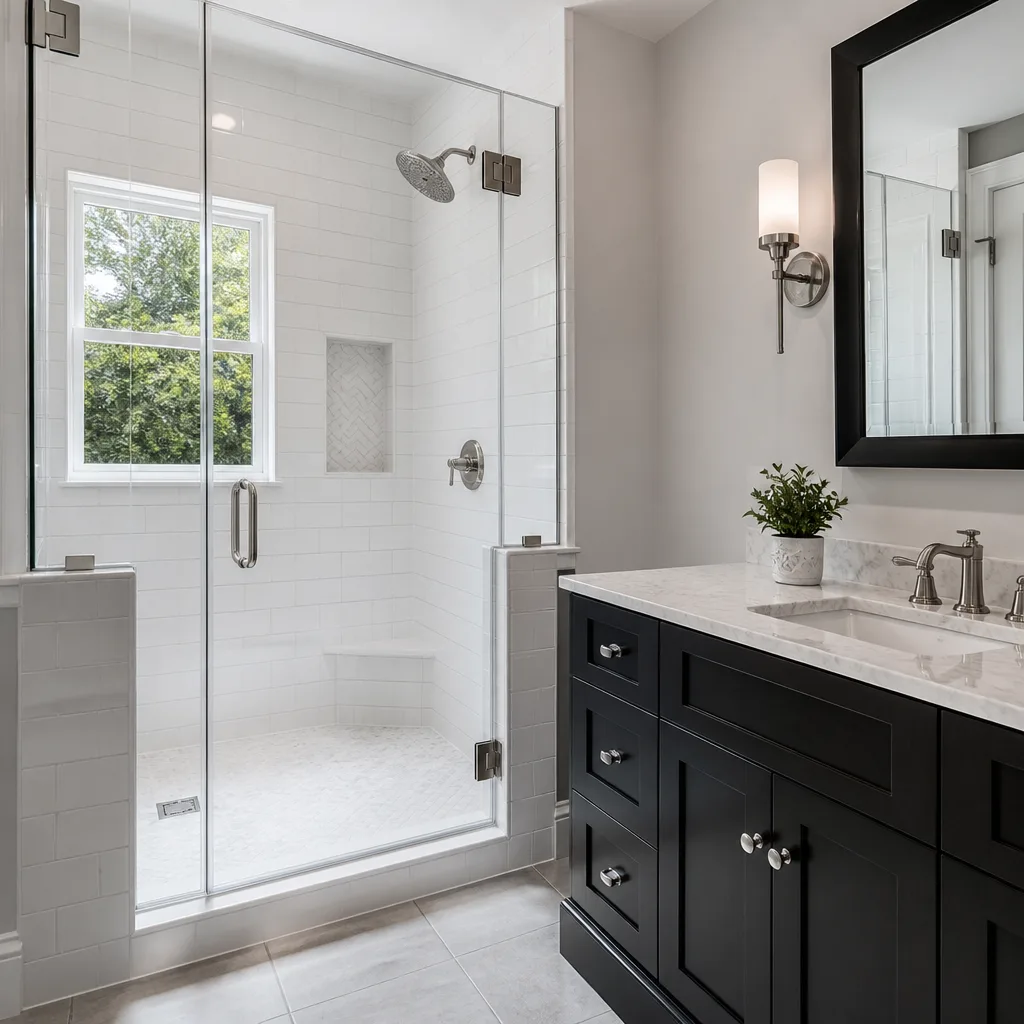

 Before
 After
After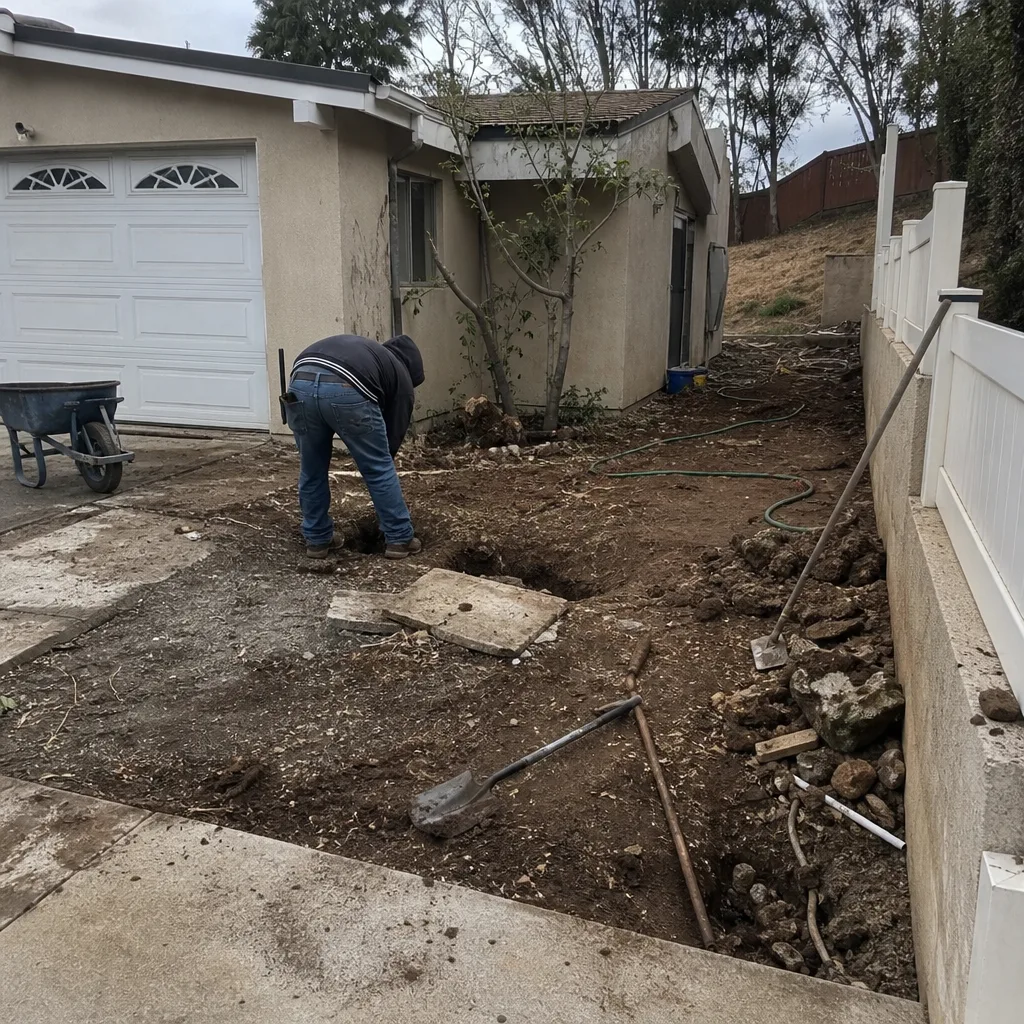 Before
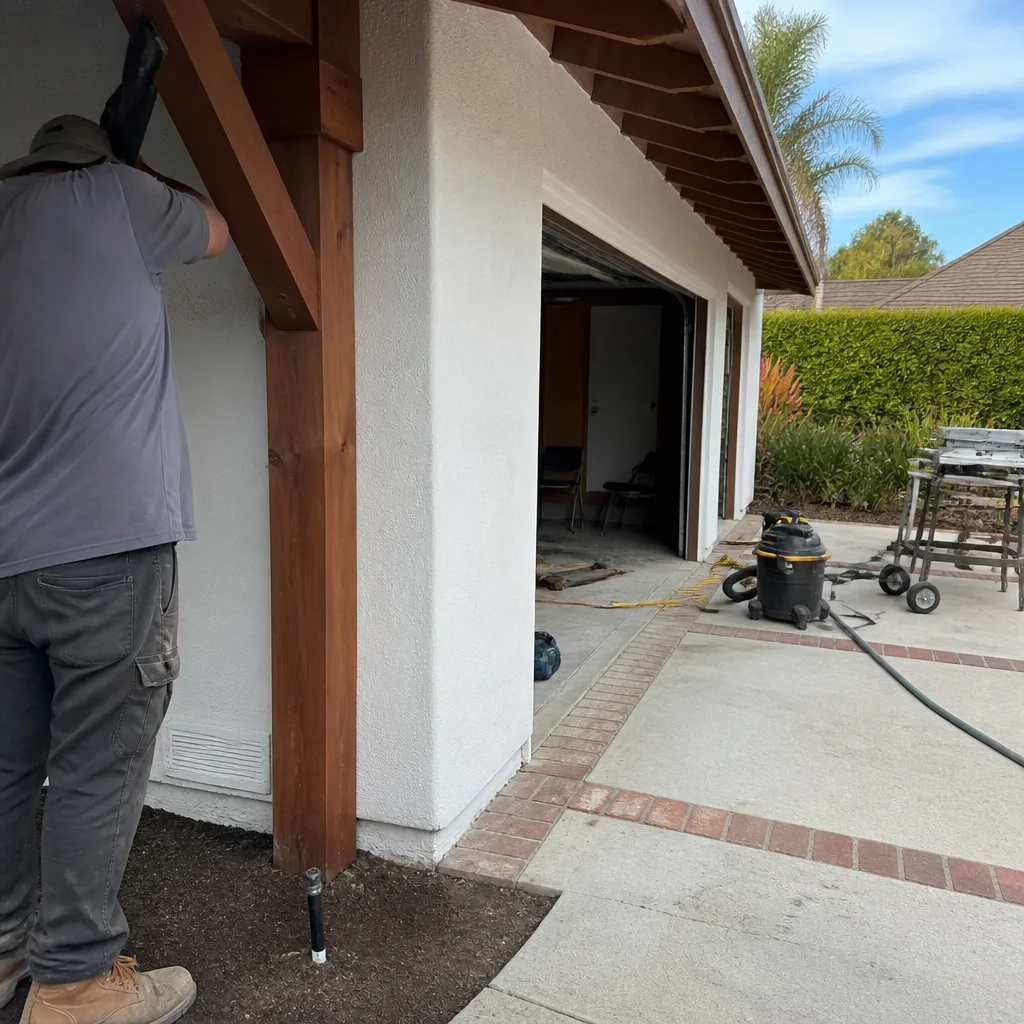 After
After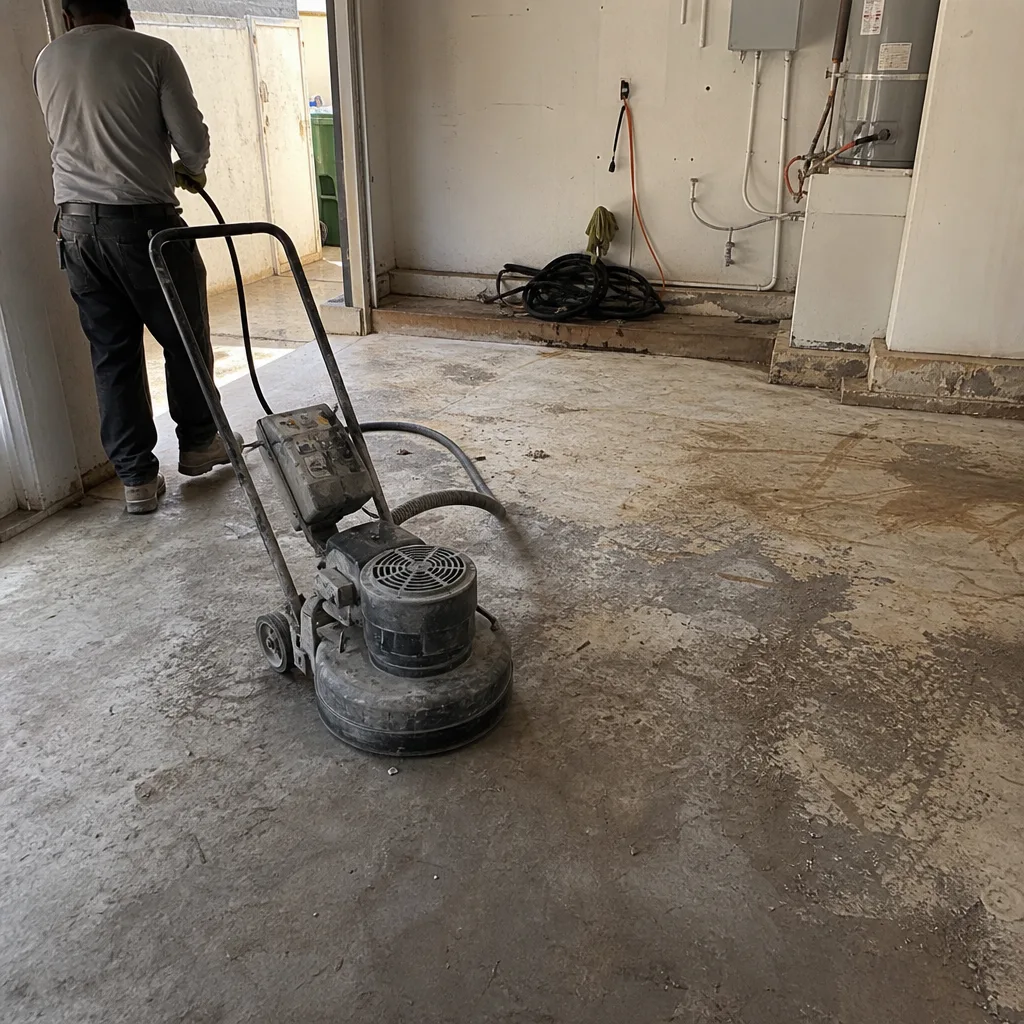 Before
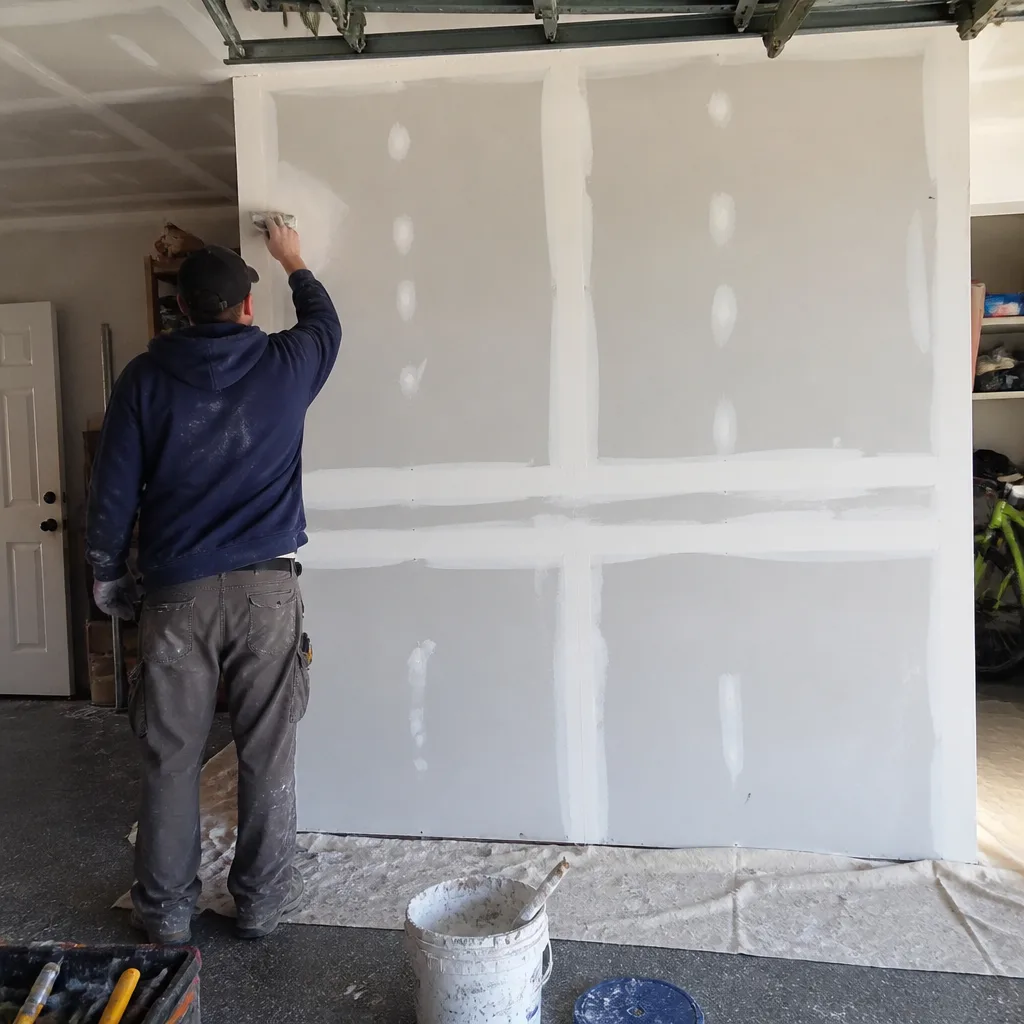 After
AfterSilestone Home Additions & ADU: The Escondido Owner’s Guide
Silestone quartz surfaces in Escondido home additions and ADUs typically run $45,000-$130,000 installed for the full project, with Silestone countertop and surfacing components available same-day from our local supplier network. We stock the full Silestone color catalog, including the Eternal and Stellar series popular in Escondido’s newer ADU builds, and we match existing Silestone installations by lot number when expansion work ties into original construction. Most owners discover their Silestone surface needs attention when an addition’s new slab doesn’t align with the original kitchen’s thickness or edge profile, or when thermal expansion from Escondido’s inland heat creates seam separation between old and new sections.
Which Silestone Models This Applies To
Silestone produces three thicknesses that matter for addition and ADU work: 1.2 cm (slim), 2 cm (standard), and 3 cm (premium). The 3 cm is what we see in most Escondido kitchens from 2015 onward, but ADU budgets often spec 2 cm with a laminated edge to cut material cost without looking cheap. The gotcha: a 2 cm slab with laminated edge and a true 3 cm slab have different edge radii, and trying to butt them in a connected kitchen-addition layout leaves a visible step that catches light wrong.
We identify the right match by the Silestone lot number etched on the underside of existing slabs, usually near a corner. Same lot means same resin batch, same pigment saturation, same thermal expansion coefficient. Different lots of the same color name can shift noticeably under Escondido’s strong afternoon light, especially in the darker Stellar Night or Charcoal Soapstone variants. We also check the original edge profile, straightedge the substrate flatness, and verify whether the existing install used Silestone’s proprietary silicone adhesive or a modified thinset, since the two require different prep for a clean tie-in.
Rowan Construction Group Escondido is an independent contractor, not affiliated with Silestone. We source OEM material through authorized California distributors and can quote equivalent-performance surfaces from Cambria or Caesarstone when the Silestone lead time or lot match doesn’t work for the schedule.
Signs Your Silestone Home Additions & ADU Is Failing
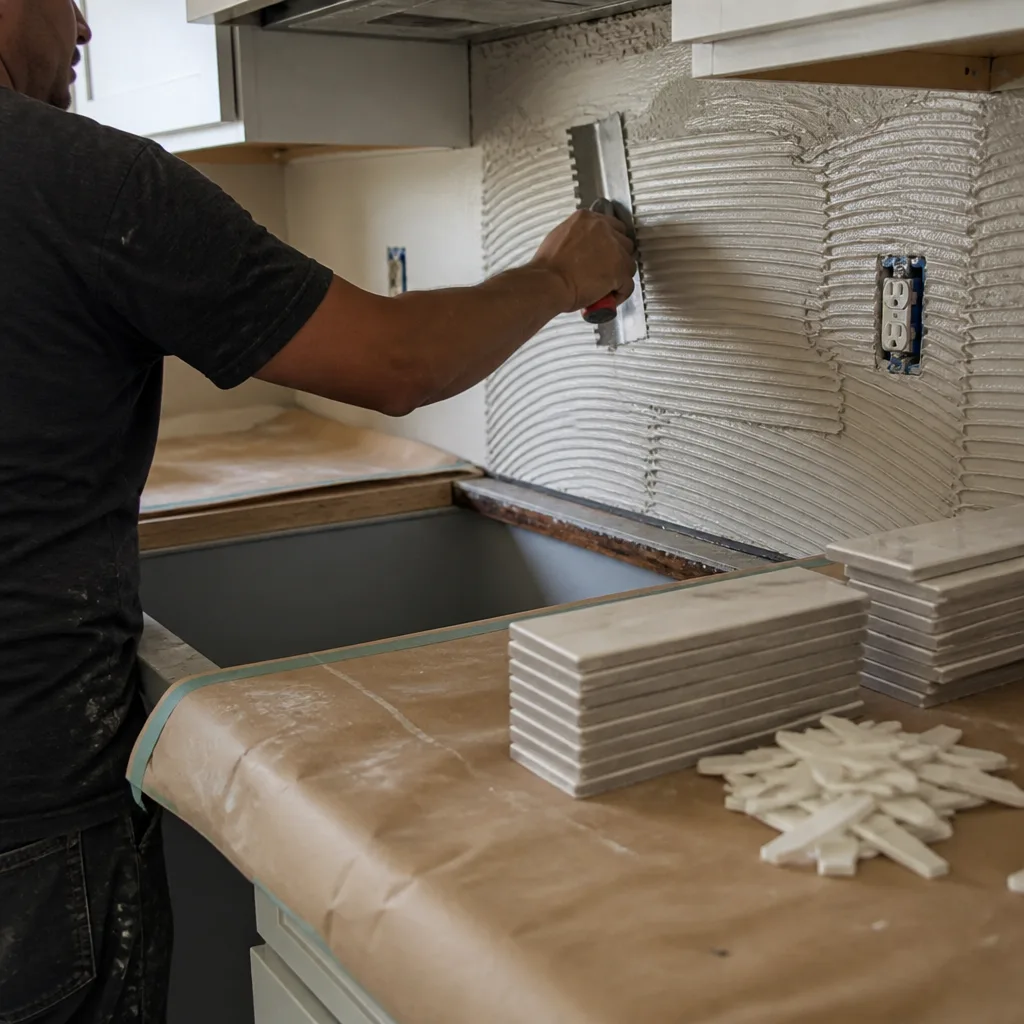
- Visible seam separation at the addition junction. The original slab and new slab expand and contract at different rates if thickness or adhesive systems differ, and Escondido’s 40-degree daily temperature swings in summer accelerate the stress. The gap usually opens first near a cooktop or window where heat cycles concentrate.
- Discoloration or whitening along the edge where old meets new. This indicates moisture migration through a failed seal, common when an ADU slab was installed over a plywood subfloor without proper vapor barrier. The resin in Silestone is non-porous, but the seam compound isn’t, and standing humidity from Escondido’s occasional heavy rains finds the weak point.
- Hollow sound when tapped, or flex under load. Silestone needs full bedding support; voids beneath the slab create point loads that crack the quartz matrix. In additions with raised foundations or converted garages, inadequate joist spacing or skipped blocking is usually the culprit, not the material itself.
- Chipping at sink or cooktop cutouts after addition work. New vibration from adjacent construction can stress existing cutouts if the original installer left insufficient corner radius or used a dry-cut blade that micro-fractured the edge. We see this most in 2018-2021 Escondido builds where speed trumped detail.
- Surface etching that doesn’t match between original and new areas. Different Silestone finishes, polished versus suede (matte), wear differently and clean differently. An owner who scrubs the new addition’s suede finish with the same polish they use on the original polished kitchen creates a visual mismatch that reads as damage.
BeforeAfterReplacement Cost & What’s Included
Full Silestone surfacing in an Escondido home addition or ADU runs $45,000-$130,000 for complete project execution, with the quartz components typically representing 8-15% of that total. Countertop-only replacement or addition tie-in work falls in the $2,000-$6,500 range depending on square footage, edge detail, and whether we need to remove and reinstall backsplash or plumbing fixtures.
The range moves on three factors: slab thickness and color tier (Eternal series runs higher than standard), complexity of the seam layout between old and new, and whether the substrate needs leveling or replacement. We itemize every line in the written quote, and under Clause 1 of the Haven Standard, that number is fixed before work starts. No change proceeds without a signed change order, which is why our projects finish within a few percent of the agreed price.
Our 365-Day Done Right Promise covers the installation and seam work. The Silestone manufacturer’s 25-year limited warranty covers the material itself, transferable once. We register it in the owner’s name and deliver the documentation with the photo record from the final walkthrough.
DIY or Call Us?
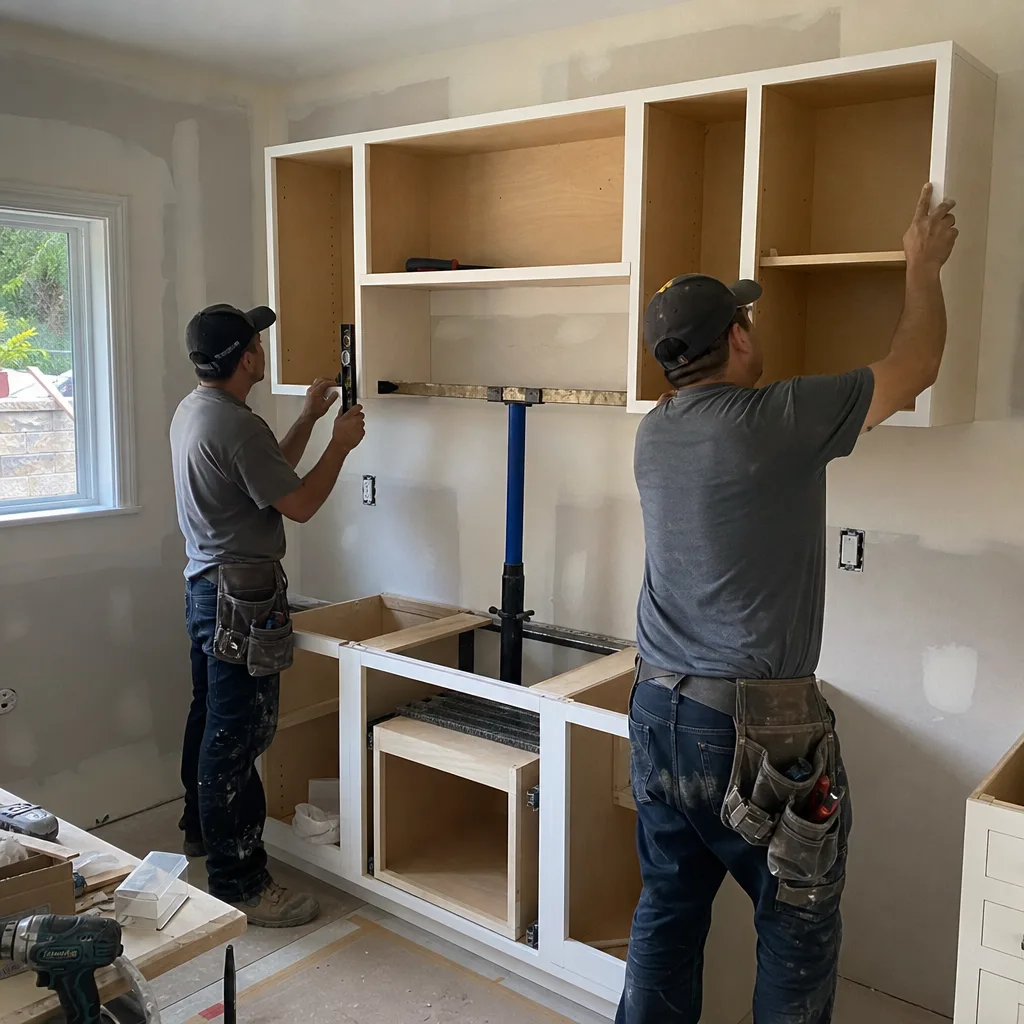
What an owner can safely check: confirm the lot number on your existing slab, measure the thickness with a straightedge and flashlight, and photograph any seam separation for reference. What goes wrong fast: attempting to cut, move, or seam Silestone without vacuum-brazed diamond tooling and proper support. The material is 93% quartz by weight, brittle under point loads, and unforgiving of overhangs beyond 6 inches on 2 cm or 12 inches on 3 cm without corbels.
We’ve been called to Escondido jobs where a homeowner’s self-managed addition crew cracked a $3,000 slab carrying it flat on edge, or where a handyman’s silicone color match failed in six months because he used hardware-store acetoxy cure instead of Silestone’s specified neutral cure. The repair cost more than our original quote would have. Measure twice, quote once, show your work. That’s how we approach it, and it’s usually cheaper than fixing a first attempt.
For a written price before anyone picks up a tool, call (858) 683-6538. Estimates are free, and we deliver them itemized, not verbal.
FAQs
How long does Silestone last in an Escondido ADU?
With proper installation and normal use, 25-30 years. The manufacturer’s warranty runs 25 years, and we see full lifespans in Escondido when the slab is properly bedded, seams are maintained, and thermal expansion isn’t constrained by poor substrate design. Call (858) 683-6538 if you’re seeing early wear and we’ll assess whether it’s material or installation.
Can a damaged Silestone seam be repaired instead of replaced?
Sometimes, if the separation is under 1/16 inch and the substrate is stable. We rout and re-fill with color-matched epoxy, then polish flush. If the gap has opened wider, or if the hollow sound indicates void beneath, partial replacement is the honest recommendation. We don’t sell repairs that won’t last. Call (858) 683-6538 for an exact quote, estimates are free.
How long does a full Silestone addition tie-in take?
Template to install is typically 10-14 business days: one visit to laser-template and verify lot match, fabrication at our partner shop, then installation day with seam work and final polish. Rush scheduling is sometimes available for occupied ADUs where the kitchen is out of service. Call (858) 683-6538 to check current lead times.
Do you stock Silestone, or is it special order?
We stock the full color catalog through our San Diego County distributor, with next-day availability on standard sizes. Custom dimensions and the larger format Jumbo slabs for island runs ship within 3-5 business days. We don’t charge for material we don’t use, and we verify lot match before cutting. Call (858) 683-6538 to confirm availability for your specific color and dimension.
Written by Grant Rowan, Owner, Rowan Construction Group Escondido at Rowan Construction Group Escondido, serving Escondido and nearby areas.